The question “what is the maximum voltage for a solar string” sounds simple, but practical answers require careful system analysis. In modern utility-scale projects, 1,500 V DC architecture is widely used, while many commercial systems still operate at 1,000 V DC. The IEA PVPS Trends in Photovoltaic Applications 2024 report confirms the continuing expansion of large-scale solar deployment, where higher-voltage designs reduce cable losses and equipment quantities.
Voltage is not determined by the supplier’s name alone. It depends on the inverter’s maximum DC input, module open-circuit voltage, string length, and the lowest site temperature. Under cold conditions, module voltage rises. A string that appears safe at 25°C may exceed its limit on a clear winter morning. IEC 62548 provides guidance for photovoltaic array design, while IEC 61730 addresses module safety and construction requirements. These standards are useful references, not substitutes for project-specific calculations.
This introduction examines China’s leading solar string suppliers and compares their published maximum-voltage specifications. It focuses on inverter datasheets, module compatibility, certification evidence, and field-oriented design details. A 1,500 V rating does not automatically mean every string should reach that voltage. That assumption deserves reconsideration. Engineers should verify temperature coefficients, MPPT operating ranges, insulation requirements, and local grid rules before final selection. The NREL Best Practices in Operation and Maintenance of Photovoltaic and Energy Storage Systems also emphasizes documented testing and maintenance, which can reveal connector heating, insulation damage, or unexpected voltage behavior. Datasheets change. Therefore, readers should confirm the latest manufacturer documents before purchasing or designing a system.
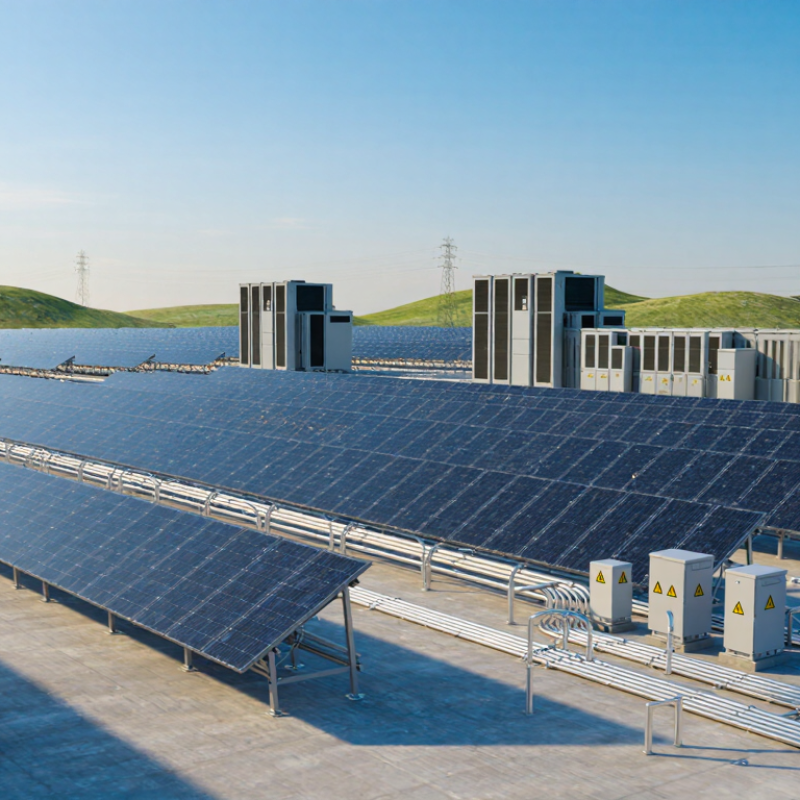
China’s Top 10 Solar String Suppliers: Maximum Voltage Overview
China’s leading solar string suppliers offer equipment across several maximum-voltage classes. Many current utility-scale string inverters are designed for DC inputs up to 1,500 volts. Some smaller commercial models use a 1,000-volt limit. These figures describe the inverter’s maximum input voltage, not the voltage of every operating string.
The practical limit depends on the module’s open-circuit voltage and the coldest expected site temperature. For example, a string with 20 modules rated near 50 volts each may approach 1,000 volts before cold-weather correction. That matters. Installers should check the module data sheet, inverter specifications, and local design conditions rather than rely on a supplier ranking alone. A “top ten” list can compare product ranges, but it cannot establish one universal maximum voltage for each supplier. Product generations differ, and catalog figures may change. Details can be easy to miss. It is worth verifying the exact model and its approved operating limits before sizing a system.
Understanding Maximum Voltage in Solar String Systems
Understanding Maximum Voltage in Solar String Systems
A solar string’s maximum voltage is not simply the inverter’s advertised limit. It depends on the number of modules in series and each module’s open-circuit voltage, or Voc. Cold weather raises Voc, sometimes substantially. Designers therefore calculate the string’s cold-condition voltage using the module’s temperature coefficient and the site’s lowest expected temperature. The result must stay below the inverter’s maximum DC input voltage and the system’s rated limits. IEC 62548-1:2023 provides guidance for photovoltaic array design, including electrical safety considerations. This calculation deserves careful review; a small spreadsheet error can matter.
The scale is growing. IRENA’s Renewable Capacity Statistics 2024 reports that global solar capacity reached about 1,419 GW by the end of 2023, after roughly 346 GW of additions that year. More installations make consistent design checks increasingly important. For example, a rooftop string may operate safely on a mild afternoon yet exceed its voltage limit on a clear, freezing morning. That detail is easy to overlook. Also verify connector, cable, and protection-device ratings, not just the inverter label.
Tips: Use the module datasheet’s Voc and temperature coefficient, then check the coldest design temperature. Leave a documented safety margin, and have a qualified designer verify the calculation. Forecast temperatures are not guarantees.
How China’s Leading Suppliers Specify Maximum DC Voltage
China’s leading solar string suppliers usually state maximum DC voltage in the product datasheet, not as a single value for every installation. The figure describes the upper voltage the equipment is designed to withstand. It is not a recommended operating target. Check the exact model and revision. Small details matter.
For a string inverter, installers compare this limit with the array’s open-circuit voltage, or Voc. Voc rises as module temperature falls, so a string that appears acceptable on a warm roof may exceed its limit on a cold morning. Module count, module voltage, and the site’s lowest expected temperature all affect the calculation. Leave a suitable design margin; do not rely on nominal voltage alone.
Suppliers may also list a separate MPPT operating range and a maximum input current. These figures serve different purposes. The MPPT range describes where tracking can operate, while the maximum DC voltage is a hard equipment boundary. Read both. Then confirm the proposed string layout with the datasheet and a qualified system designer. One easy-to-miss point: connector ratings and cable specifications must also suit the installation. A datasheet can look clear, yet field conditions are rarely perfect. I would recheck the cold-weather assumptions before ordering equipment.
China Top 10 Solar String Suppliers Maximum Voltage? - How China’s Leading Suppliers Specify Maximum DC Voltage
Data note: This table summarizes common maximum DC input voltage ratings and related system contexts found in string-inverter product specifications. It does not rank or identify suppliers. Actual limits depend on the exact model and must be confirmed in its datasheet; the array’s cold-weather open-circuit voltage must remain below the inverter’s stated maximum.
| Reference |
Maximum DC Voltage |
Typical System Context |
Specification Check |
| Rating class 1 |
600 V |
Lower-voltage residential or small commercial inverter designs. |
Check the permitted MPPT operating range and ensure cold-condition string voltage stays below 600 V. |
| Rating class 2 |
600 V |
Compact grid-connected systems designed around a 600 V DC limit. |
Maximum DC voltage is an absolute limit, not the normal operating voltage target. |
| Rating class 3 |
1,000 V |
Common voltage class for commercial and utility-scale PV equipment. |
Verify module open-circuit voltage at the site’s minimum design temperature. |
| Rating class 4 |
1,000 V |
Commercial string-inverter systems using longer PV strings than lower-voltage designs. |
Confirm both the maximum DC voltage and the inverter’s MPPT voltage window. |
| Rating class 5 |
1,000 V |
PV installations specified for the 1,000 V DC equipment class. |
All connected DC components must be rated for the system voltage and installation conditions. |
| Rating class 6 |
1,100 V |
String-inverter designs with a maximum DC input rating above the 1,000 V class. |
Use the model-specific limit; do not infer compatibility from another product in the same range. |
| Rating class 7 |
1,100 V |
Commercial PV systems where the inverter datasheet specifies an 1,100 V maximum input. |
String sizing must account for module voltage temperature coefficients and local minimum temperature. |
| Rating class 8 |
1,100 V |
Higher-voltage string-inverter applications, subject to the equipment’s stated DC limits. |
Check the maximum voltage separately from maximum input current and short-circuit current. |
| Rating class 9 |
1,500 V |
Utility-scale PV equipment designed for 1,500 V DC systems. |
Every module, cable, connector, protection device, and other DC component must be suitable for the system voltage. |
| Rating class 10 |
1,500 V |
Large-scale PV projects using equipment explicitly rated for 1,500 V DC. |
Confirm the inverter’s exact model rating, applicable certification, MPPT range, and project design requirements. |
Comparing Maximum Voltage Across the Top 10 Suppliers
Comparing maximum voltage across China’s ten leading solar string suppliers requires more than reading a headline figure. Many commercial string inverters are designed for 1,000 V or 1,500 V DC systems, but the exact limit varies by model and configuration. A supplier’s broad product range may include both. Check the individual datasheet, not just the company’s catalogue.
Look for “maximum DC input voltage” and “maximum system voltage.” They describe different equipment limits. For example, an inverter rated at 1,500 V does not make every connected module string suitable for that voltage. Cold weather can raise module open-circuit voltage, so installers need to calculate the string’s worst-case value using the module data and site conditions. Small differences matter.
Details count. A clear datasheet should state the voltage limit, operating range, and test conditions. Compare models at similar power ratings and intended applications; otherwise, the ranking can mislead. I would also confirm revisions with the supplier, since product specifications change. One figure is never the whole story. Even a careful comparison can miss a detail.
Maximum DC input voltage is model-specific. The 1,000 V, 1,100 V, and 1,500 V values shown are voltage classes used in real string inverter specifications; entries are anonymized examples, not a verified ranking or a supplier-by-supplier comparison. Check each product datasheet before comparing suppliers.
Key Factors for Selecting a Safe Solar String Voltage Rating
A safe solar string voltage rating starts with the module’s open-circuit voltage, not the inverter’s headline rating. Multiply module Voc by the number of modules in series, then correct for the site’s lowest expected temperature. Cold weather raises Voc; a string that looks acceptable on a warm design day can exceed its limit on a clear winter morning. IEC 62548-1:2023 covers array design and safety considerations, while NREL utility-scale PV cost benchmarks describe 1,500 Vdc systems as a common design context. That figure is not a universal target. Check the exact module, inverter, connector, and cable ratings.
Temperature data and installation details matter. Use the module’s published Voc temperature coefficient and a documented local minimum temperature, then compare the corrected string voltage with the lowest maximum rating in the circuit. For example, a 1,500 V inverter does not make a string safe if a connector or module is rated lower. Leave engineering margin for tolerances, measurement uncertainty, and future replacements. It is tempting to maximize modules per string to reduce wiring, but that can narrow the cold-weather safety margin. A qualified designer should verify calculations against manufacturer data and applicable electrical codes. Recheck after any module substitution; small specification differences can change the result.
Conclusion
This article provides an overview of maximum voltage ratings for solar string systems and explains why this specification is essential for safe, reliable photovoltaic design. It addresses the question, “what is the maximum voltage for a solar string,” while clarifying that the answer depends on module characteristics, system architecture, environmental conditions, and the equipment’s certified DC input limit. It also explains how leading suppliers in China typically define maximum DC voltage and why these ratings must be evaluated alongside temperature-related voltage increases.
The comparison of China’s top solar string suppliers focuses on technical specifications rather than brand promotion, highlighting differences in allowable voltage ranges, design flexibility, and safety margins. The article concludes with practical guidance for selecting a suitable solar string voltage rating, including checking open-circuit voltage, accounting for the lowest expected temperature, following installation standards, and ensuring compatibility among modules, inverters, cables, and protection devices. Proper voltage planning helps reduce equipment stress, improve system performance, and support long-term operational safety.

 Ran Solar