Choosing the right type of solar panel is crucial for homeowners and businesses. Rigid and flexible solar panels each have unique benefits and limitations. According to Dr. Emily Carter, a solar energy expert, “Understanding your specific needs is key when determining how to choose between rigid and flexible solar panels.”
Rigid panels are known for their durability and higher efficiency. They typically generate more power per square foot and last longer. However, they can be heavy and more challenging to install in some locations. On the other hand, flexible panels are lightweight and versatile. They can be installed on curved surfaces, making them ideal for certain applications. But they often have lower efficiency than their rigid counterparts.
Before making a decision, consider your space, installation location, and energy needs. The choice isn’t straightforward. Some users might find flexible panels more suitable even if they lack the efficiency of rigid ones. It’s a balance between practicality and performance. Make sure to research and seek expert opinions to better understand how to choose between rigid and flexible solar panels.
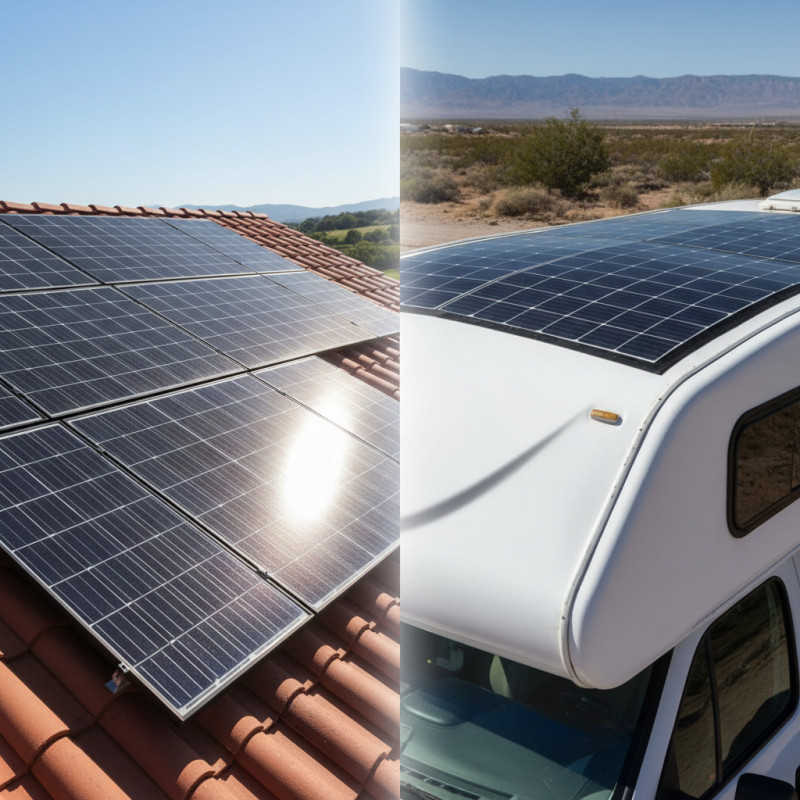
Factors to Consider When Choosing Between Rigid and Flexible Solar Panels
When deciding between rigid and flexible solar panels, several key factors come into play. Rigid panels are generally more efficient due to their crystalline structure, which can convert up to 22% of sunlight into electricity. Studies show that they perform reliably in various weather conditions, making them suitable for rooftops and ground installations.
Flexible panels, on the other hand, are lighter and easier to install on curved surfaces. Their efficiency hovers around 17%, which can be a drawback in certain applications.
One important consideration is the installation surface. Rigid panels require solid, flat surfaces, while flexible panels adapt to unconventional shapes. If your roof is irregular, flexible panels might be preferable. Also, consider the aesthetic appeal and space constraints. Rigid panels can be bulky, impacting the visual aspect of a building. Flexible options offer streamlined solutions, which may align with design goals.
Tips: When assessing durability, review warranty periods. Rigid panels often come with longer warranties, indicating confidence in their longevity. Evaluate your specific energy needs and environment to make an informed choice. It's essential to weigh the pros and cons of each type. Remember, the right solar panel for one project may not work for another. Take your time to research options thoroughly.
Advantages of Rigid Solar Panels for Specific Applications
Rigid solar panels offer distinct advantages for specific applications. Their sturdiness makes them ideal for rooftops and permanent installations. The solid construction withstands harsh weather, including heavy snow and strong winds. This durability ensures a long lifespan, often exceeding 25 years. Their ability to maintain efficiency in various conditions is a key factor for many homeowners.
In addition to durability, rigid panels often provide higher energy output compared to their flexible counterparts. This higher efficiency is crucial for rooftops with limited space. The glass surface of rigid panels is also less prone to damage. However, the installation can be challenging, especially on curved surfaces.
Although they excel in stability, considerations like weight and mounting requirements need attention, which can complicate the installation process. These factors may not suit every project. It’s vital to assess your specific needs before choosing rigid panels.
Benefits of Flexible Solar Panels for Unique Use Cases
When considering solar panels, flexible options are often overlooked. However, they offer unique benefits for specific use cases. Flexible solar panels are lightweight and can conform to various surfaces. This makes them perfect for uneven rooftops, RVs, and boats. Their adaptability allows for installation in places rigid panels cannot fit, making them ideal for off-grid setups.
One significant advantage of flexible solar panels is their durability. They can withstand harsh conditions, including high winds and extreme temperatures. This resilience is crucial for mobile applications. Users often report satisfaction with how well these panels perform under challenging circumstances. However, not all flexible panels provide the same efficiency as their rigid counterparts. Some may require more space for the same power output, prompting users to weigh their options carefully.
Another important factor is the potential for damage. Flexible panels are more prone to wear over time, especially if not properly maintained. Regular inspection can help prolong their lifespan. While they may hold appeal for certain applications, users should consider their specific power needs and installation environment. Adapting to unique situations is essential, and the choice between rigid and flexible panels can shape overall energy efficiency.
Comparative Analysis of Cost Efficiency Between Panel Types
When considering the cost efficiency of rigid versus flexible solar panels, several factors play a critical role. Rigid panels generally have a lower initial investment. Reports indicate they can provide 15-20% more energy in the same conditions. However, flexible panels offer unique advantages that can be overlooked. Their lightweight design allows for easier installation on unconventional surfaces, such as vans or uneven rooftops.
Cost also varies in terms of longevity. Rigid panels tend to last longer, frequently exceeding 25 years of performance, while flexible options may only last around 10-15 years. This shorter lifespan can lead to higher long-term costs for flexible panels due to replacements. Maintenance should also be considered. Rigid panels usually require minimal upkeep, while flexible counterparts might be subject to more wear, particularly in extreme weather.
One must reflect on the trade-offs involved. While upfront costs matter, ongoing costs and energy efficiency are essential factors. Some flexible options can struggle with energy output. Choosing between these two types of panels requires a careful evaluation of your specific needs. Balancing initial cost against overall energy production is key.
Installation Considerations for Rigid vs. Flexible Solar Panels
When considering solar panel installation, the choice between rigid and flexible panels can significantly impact performance.
Rigid panels are typically mounted on roofs or solid surfaces. They offer high durability and efficiency but can add weight to the structure. Installation often requires strong brackets and a stable surface, which limits placement options.
Flexible solar panels, on the other hand, are lightweight and can conform to curved surfaces. This adaptability allows for unique installations, like on RVs or boats. However, their flexibility may lead to lower efficiency compared to rigid options. Installation is often easier, as they can be glued directly to surfaces without the need for bulky support.
Each type has its challenges. Rigid panels may require professional installation due to their weight. It’s crucial to assess the structural integrity of your mounting surface. Flexible panels, while easier to install, might raise questions about long-term durability. Overall, understanding these installation considerations is vital for making an informed decision that fits your specific needs.
FAQS
: Rigid panels are more efficient and reliable; flexible panels are lighter and adaptable.
Rigid panels can reach up to 22% efficiency, while flexible panels average around 17%.
Rigid panels require solid, flat surfaces for proper installation.
Yes, flexible panels can conform to curved or uneven surfaces, ideal for irregular roofs.
Rigid panels usually have longer warranties, indicating better durability compared to some flexible options.
Yes, their lightweight design makes them great for RVs, boats, and off-grid applications.
Regular inspections are needed to prevent damage and extend their lifespan.
They can wear down over time and may require more space for adequate energy output.
Consider your energy needs, installation surface, aesthetic preferences, and local weather conditions.
No, the best choice varies by project and specific requirements; research is essential.
Conclusion
When considering how to choose between rigid and flexible solar panels, several factors come into play. Rigid solar panels are known for their durability and efficiency, making them ideal for fixed installations like rooftops or solar farms. On the other hand, flexible solar panels provide unique advantages for portable applications or unconventional surfaces due to their lightweight and adaptable nature.
Cost efficiency is another crucial aspect, as the initial investment and long-term savings can vary between the two types. Additionally, installation considerations differ, with rigid panels typically requiring more robust support structures, while flexible panels can conform to various surfaces easily. Understanding these key factors helps in making an informed decision tailored to specific needs and applications.

 Ran Solar