When exploring solar panel technology, one key question arises: what is the difference between glass-backsheet and glass-glass modules? Both options are prevalent in today’s solar market, yet they possess unique characteristics. Understanding these differences is essential for informed decisions in solar panel selection.
Glass-backsheet modules consist of a layer of glass on the front and a polymer backsheet. This design is often lighter and more cost-effective. However, durability can be a concern. On the other hand, glass-glass modules feature glass on both sides. They are typically more robust and offer greater resistance to environmental stress. This durability can translate into a longer lifespan for the panels.
Choosing the right type may depend on specific installation conditions and budget considerations. Each module has its pros and cons. Reflecting on these aspects will lead to a more tailored approach to solar energy solutions. In this context, understanding what is the difference between glass-backsheet and glass-glass modules can guide consumers toward their optimal choice.
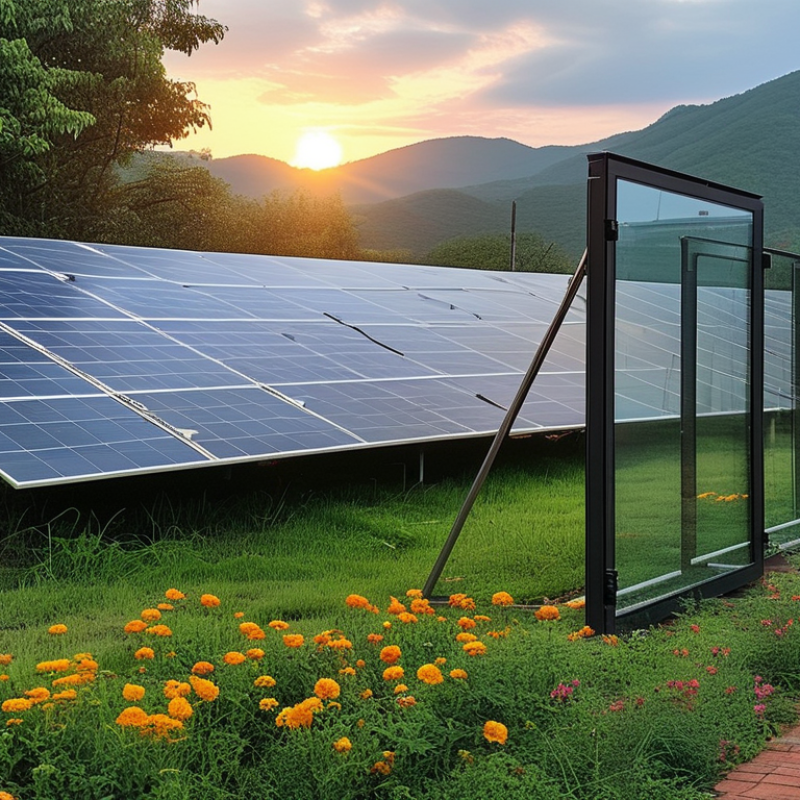
Glass Backsheet and Glass Glass Modules represent two distinct approaches to solar panel design. Glass Backsheet modules utilize a layer of glass on the front and a backsheet at the rear. This backsheet is often made from polymers and serves as a protective layer. Reports show that these modules have a lower initial cost and are lighter. However, they may be more susceptible to environmental damage over time, impacting longevity.
On the other hand, Glass Glass Modules consist of two layers of glass, front and back. This design offers enhanced durability. According to a study by the National Renewable Energy Laboratory, Glass Glass modules can last up to 30 years with minimal degradation. They are particularly resistant to moisture and UV rays. Yet, the manufacturing process may prove more expensive, leading to higher upfront costs.
The choice between these options can raise questions. Glass Backsheet panels may present cost advantages, but they risk shorter lifespans. In contrast, the Glass Glass design ensures durability but at a higher price. This dilemma requires thoughtful consideration of both immediate and long-term needs in solar energy solutions. Every project has its unique context and requirements; each module type has strengths and weaknesses.
Glass backsheet modules have gained traction in the photovoltaic industry for their durability and performance. These modules typically feature a glass front side and a sturdy glass back, offering superior protection compared to traditional materials like polymer backsheets. Research indicates that glass backsheet modules can improve lifespan and efficiency, with some reports suggesting an increase in performance by 5-10% over time due to reduced degradation.
The key features of glass backsheet modules include enhanced resistance to weathering and a significant decrease in UV degradation. A study by the International Photovoltaic Quality Assurance Task Force highlights that glass backsheets can endure extreme conditions, ensuring optimal energy production. Furthermore, these modules often come with better aesthetics and a modern look, attracting interest in residential applications.
However, some drawbacks exist. The heavier weight of glass modules may pose installation challenges. Additionally, higher production costs can lead to a slower adoption rate among manufacturers. While the benefits are apparent, further analysis is necessary to navigate the complexities associated with these advanced photovoltaic solutions.
Glass Glass modules offer several advantages compared to traditional glass backsheets. Their enhanced durability is significant. According to recent industry reports, these modules can withstand more extreme weather conditions. They resist harsh UV radiation and moisture better than their counterparts. This resistance increases the longevity of solar panels, offering up to 30 years of life expectancy.
Additionally, the efficiency of energy conversion often improves with Glass Glass designs. Studies indicate that these modules can achieve efficiency rates up to 22%. This increase comes from reduced overheating and better thermal performance. Furthermore, the initial investment in Glass Glass systems may be higher, but the return on investment is often more favorable. Maintenance costs tend to be lower due to their robust construction.
While traditional options suffice for some applications, there are limitations. Glass Glass modules do have higher weight, which may require adjustments in mounting structures. This trade-off is something to consider during installation. Nonetheless, the overall benefits provided by Glass Glass technology present a compelling case for its adoption in modern solar energy systems.
When comparing glass backsheet and glass glass modules, performance and durability take center stage. Glass glass modules typically offer superior durability. They endure extreme weather conditions better than their glass backsheet counterparts. This durability is crucial for long-term energy production and reliability.
However, glass backsheet panels have their merits too. They are usually lighter and less expensive to produce. This makes installation easier, especially on rooftops. In some cases, the trade-off in durability may be acceptable depending on the project's budget and goals.
Yet, it's essential to reflect on how these choices affect the environment. Glass glass modules, while more durable, can require more energy to produce. In contrast, glass backsheets can be more susceptible to wear and tear over time. Evaluating these factors helps determine the best solution for each specific application.
Glass backsheets and glass-glass modules are crucial in solar technology. Each has unique characteristics that influence their applications and market trends.
Glass backsheets are lightweight and cost-effective. They serve as a protective layer for solar cells and improve durability. Generally, they suit residential and commercial installations where weight is a concern. This material allows for flexibility in design, making it a popular choice for solar panel manufacturers.
In contrast, glass-glass modules offer enhanced protection against environmental stressors. They provide superior durability, which is vital for harsh climates. These modules are increasingly preferred in utility-scale projects. Their longevity can lead to lower maintenance costs over time. The growing trend towards sustainable energy drives demand for these more resilient options.
Tip: When choosing between options, consider your specific application needs. Evaluate factors like climate, installation location, and budget.
Always stay informed about technological advancements in materials. The industry continuously evolves, presenting opportunities for improved efficiency and reliability.
Tip: Conduct thorough research on market trends. Understanding emerging patterns can guide your investment decisions.
| Feature | Glass Backsheet | Glass Glass Modules |
|---|---|---|
| Weight | Lightweight | Heavier |
| Durability | Moderate | High |
| Cost | Lower | Higher |
| Efficiency | Moderate | Higher |
| Applications | Residential and commercial use | Utility-scale projects |
| Market Trend | Growing demand for lightweight solutions | Increased adoption in higher efficiency modules |
: They are photovoltaic modules with a glass front and back, known for durability and performance.
They offer superior protection and exhibit reduced degradation, leading to longer lifespan and improved efficiency.
They offer enhanced protection against environmental stressors, making them suitable for harsh climates.
Yes, their heavier weight can pose installation challenges.
Yes, this can slow down their adoption among manufacturers compared to traditional modules.
Evaluate climate, installation location, weight concerns, and budget before making a decision.
While they are durable, their weight complicates the installation process.
Staying informed about advancements helps navigate complexities and improve efficiency in solar technology.
They offer lightweight design options, which are crucial for residential installations where weight is a concern.
The growing emphasis on sustainable energy is leading to increased interest in more resilient solar options.
The article "What is the Difference Between Glass Backsheet and Glass Glass Modules?" explores the characteristics and applications of two distinct types of solar panel technologies. Glass backsheet modules consist of a protective layer on the back, which is lightweight and cost-effective, while glass glass modules feature glass on both the front and back, providing enhanced durability and aesthetics.
Key features of glass backsheet modules include their flexibility and lower weight, making them suitable for various installations. In contrast, glass glass modules offer superior performance and longer lifespan due to their robust construction. The article also compares the performance and durability of both types, indicating that glass glass modules generally outperform traditional options in harsh environmental conditions. Lastly, it addresses market trends, showcasing a growing preference for glass glass modules due to their reliability and efficiency in photovoltaic applications.

Ran Solar