When considering solar energy options, understanding panel types is crucial. The two primary types, monocrystalline and polycrystalline solar panels, differ significantly in efficiency and performance. According to the Solar Energy Industries Association (SEIA), monocrystalline panels generally achieve higher efficiency rates, often exceeding 20%. In contrast, polycrystalline panels typically range between 15% and 17%.
Industry expert Dr. Emily Carter, a noted researcher at the National Renewable Energy Laboratory, emphasizes the importance of distinguishing between these types. She states, "Knowing how to tell if a solar panel is monocrystalline or polycrystalline directly impacts your energy output." Her insights reflect a growing awareness in the market.
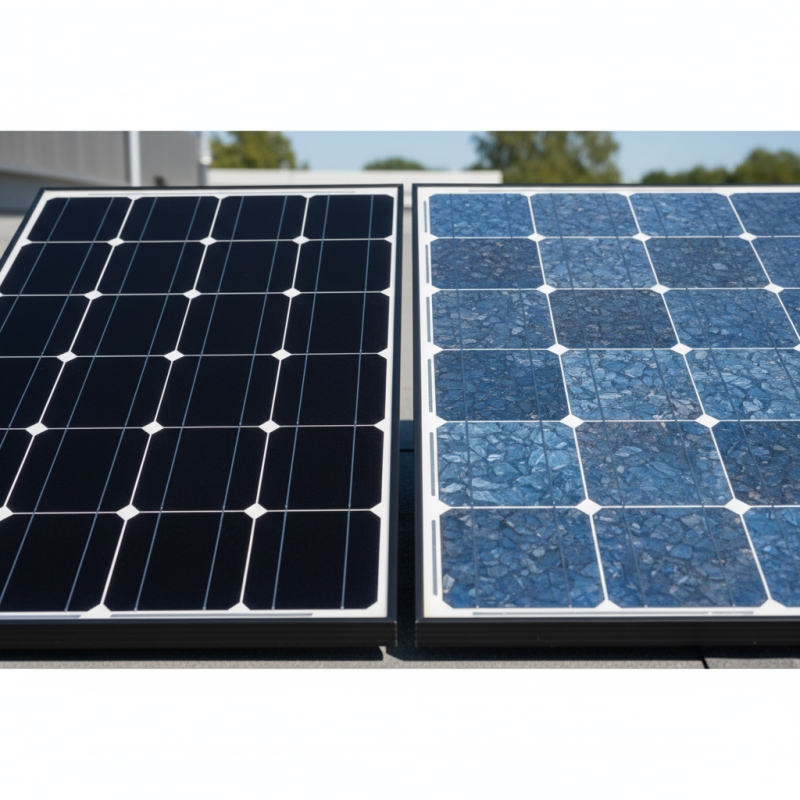
However, this distinction may not always be straightforward. Some consumers overlook subtle visual cues and specifications. For example, monocrystalline panels appear smooth and dark, while polycrystalline ones have a blue, speckled look. Understanding these differences requires careful examination and informed choices. Addressing these nuances fosters better decision-making and encourages effective investments in solar technology.
Understanding the Basics of Monocrystalline and Polycrystalline Solar Panels
When considering solar panels, understanding the differences between monocrystalline and polycrystalline types is crucial.
Monocrystalline panels are made from single-crystal silicon. This unique structure allows for higher efficiency rates, often above 20%. You will find these panels take up less space while generating more power. They look sleek, with a uniform dark appearance, which many homeowners prefer.
Polycrystalline panels, on the other hand, consist of multiple silicon crystals melted together. This manufacturing process is less expensive. However, it may result in lower efficiency, typically around 15-20%. The blue speckled appearance is a telltale sign of polycrystalline panels. While they may take up more space, they provide a good balance of cost and energy output.
Deciding between the two types requires careful thought. Factors such as available roof space, budget, and energy needs come into play. Monocrystalline panels often perform better in low-light conditions. Yet, polycrystalline panels can be a practical choice for those looking for cost savings, despite their lower efficiency.
Reflecting on these aspects can help in making an informed choice.
Distinguishing Characteristics of Monocrystalline Solar Panels
Monocrystalline solar panels are known for their distinctive characteristics. They are often recognized by their uniform dark color and rounded edges. This design is critical in the manufacturing process. Each panel is created from a single crystal structure, which maximizes efficiency. Data shows that these panels can convert about 20% to 25% of sunlight into usable energy. This efficiency surpasses polycrystalline panels, typically ranging from 15% to 20%.
Another noteworthy aspect is their space efficiency. Monocrystalline panels require less space to produce the same energy output. For homeowners with limited roof space, this can be a decisive factor. Furthermore, these panels generally have a longer lifespan, often exceeding 25 years. Industry reports indicate that they tend to perform better in low-light conditions, making them a reliable choice in varying weather.
However, the production of monocrystalline panels is not without its drawbacks. Their manufacturing process is more energy-intensive and costly. This can lead to a higher price tag for consumers. Additionally, the environmental impact of mining silicon for these panels raises concerns. As the solar market evolves, evaluating the balance between efficiency and environmental sustainability remains crucial. Thus, while monocrystalline panels excel in certain areas, ongoing dialogue around their production practices is necessary.
Identifying Features of Polycrystalline Solar Panels
Polycrystalline solar panels are distinguishable by their unique appearance. They typically exhibit a bluish hue and textured surface. This results from multiple silicon crystals formed during their manufacturing. When inspecting these panels, look for a speckled pattern. The irregularities in the crystal structure contrast with the uniformity of monocrystalline panels. According to the National Renewable Energy Laboratory (NREL), polycrystalline panels account for nearly 40% of the solar market, highlighting their popularity.
Moreover, the efficiency of polycrystalline solar panels tends to be lower than that of monocrystalline options. Reports indicate that their efficiency rates generally range from 15% to 20%. In contrast, monocrystalline panels can exceed 20%. This reflects the trade-offs between cost and performance. Polycrystalline panels are often cheaper to produce, making them a budget-friendly choice. However, this can lead to longer payback periods.
Temperature coefficients provide another identifying feature. Polycrystalline panels usually have higher temperature coefficients. This means they perform less efficiently in high temperatures. Industry insights from the International Energy Agency (IEA) suggest that choosing solar panels requires careful consideration of local climate conditions. Understanding these details can help consumers make informed decisions while navigating potential drawbacks.
Monocrystalline vs Polycrystalline Solar Panels: Efficiency Comparison
Comparing Efficiency and Performance of Solar Panel Types
When comparing monocrystalline and polycrystalline solar panels, efficiency plays a crucial role in performance. Monocrystalline panels typically boast higher efficiency rates, often exceeding 20%. This comes from their single-crystal structure, which allows for better electron flow. In contrast, polycrystalline panels tend to have efficiency rates around 15-17%. While they are generally less efficient, they can still perform well in various conditions.
Temperature sensitivity is another point of comparison. Monocrystalline panels perform better in high temperatures, retaining efficiency as the temperature rises. A study conducted by the National Renewable Energy Laboratory highlighted that polycrystalline panels may experience a drop in output as temperatures increase. Installation space is important too. Monocrystalline panels require less space to generate the same amount of energy due to their higher efficiency, making them a smart choice for rooftops with limited area.
Cost is a significant factor in decision-making. Monocrystalline panels are often more expensive, which can deter some customers. On the other hand, polycrystalline panels offer an affordable alternative, albeit with a potential trade-off in efficiency. Understanding these differences is vital for making informed choices. Knowing the strengths and weaknesses of each type is essential for selecting the right solar solution for your needs.
Cost Factors and Investment Considerations for Each Type
When considering solar panels, cost is a primary factor. Monocrystalline panels generally have a higher initial cost, ranging from $1 to $1.50 per watt. Their efficiency rates can be up to 22%, making them suitable for limited space applications. In contrast, polycrystalline panels usually cost between $0.80 and $1.20 per watt. However, their efficiency is around 15% to 17%. This variance impacts long-term investment returns.
Installation also adds to the total expenses. Monocrystalline panels require less space, possibly lowering installation costs. This can be significant for urban settings where rooftop space is limited. Conversely, polycrystalline panels might need larger areas, leading to additional structural modifications. The long-term savings from energy production should be factored into your decision.
A report from the Solar Energy Industries Association (SEIA) indicates that the average payback period for solar installations ranges from 5 to 7 years, depending on location and energy rates. Some homeowners express concerns over technology longevity. Monocrystalline panels typically last longer, averaging 25 years, while polycrystalline can have slightly shorter lifespans. Potential investors should weigh these factors carefully. While upfront costs can be challenging, the benefits of energy savings and reduced carbon footprints highlight the importance of thoughtful choices in solar investments.
Conclusion
Understanding how to tell if a solar panel is monocrystalline or polycrystalline is crucial for making informed investment decisions in solar energy. Monocrystalline panels are characterized by their uniform dark color and rounded edges, indicating they are made from single-crystal silicon. In contrast, polycrystalline panels exhibit a bluish hue with a speckled appearance due to being composed of multiple silicon crystals.
When comparing efficiency and performance, monocrystalline panels generally provide higher energy conversion rates and better performance in low-light conditions. However, polycrystalline panels are often more affordable, making them an appealing choice for budget-conscious consumers. Ultimately, considerations such as cost, efficiency, and installation requirements will play a significant role in deciding between these two solar panel types.

 Ran Solar