In the quest for sustainable architecture, integrating solar modules into building facades presents a vital opportunity. Designers and architects are seeking innovative ways to harness solar energy without compromising aesthetic appeal. Understanding how to integrate solar modules into building facades involves both technical know-how and creative approaches that enhance a building’s overall design.
Consideration of factors such as sunlight exposure, material compatibility, and structural integrity is essential. Many professionals face challenges balancing functionality and visual impact. It’s crucial to examine various integration techniques, including building-integrated photovoltaics (BIPV) and modular systems. These methods can transform ordinary facades into energy-generating assets.
As we explore the top 10 ways to integrate solar modules into building facades, we recognize the need for collaboration between architects, engineers, and sustainability experts. This collaboration is vital to navigate the complexities of installation and maintenance. Reflecting on past projects, it becomes clear that innovative installations can significantly enhance energy efficiency. However, careful planning is necessary to avoid common pitfalls. The journey toward a more sustainable future lies in these creative solutions.
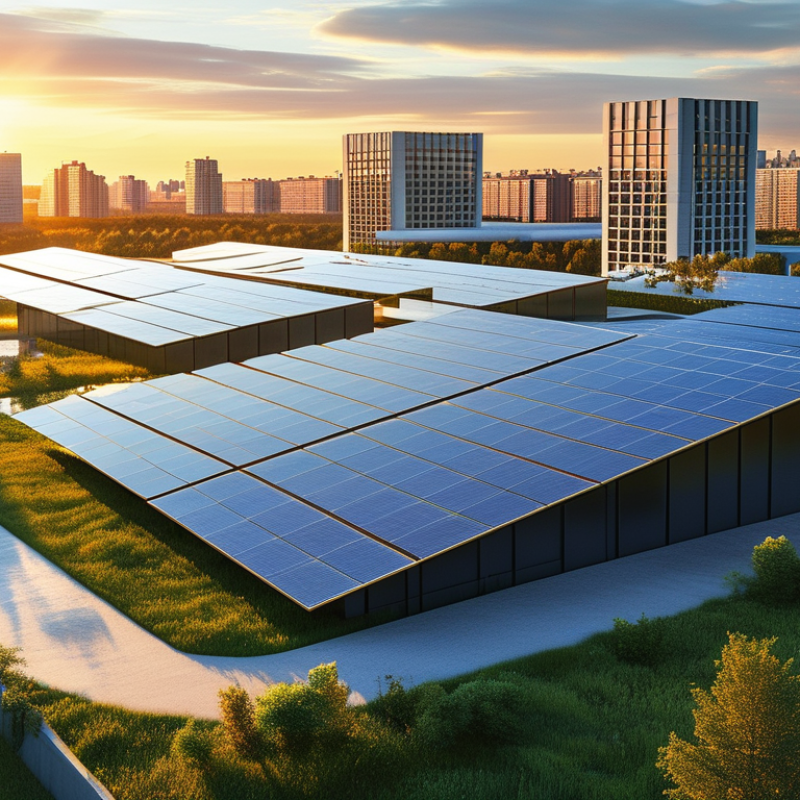
Overview of Solar Module Integration in Building Facades
Integrating solar modules into building facades is an innovative approach that enhances sustainability. Research from the International Solar Energy Society indicates that buildings account for nearly 40% of global energy consumption. By incorporating solar technology, energy efficiency can significantly improve.
Solar modules can be designed to blend seamlessly with exterior materials. For example, transparent solar panels can replace traditional glass, allowing natural light while generating electricity. According to a report by the U.S. Department of Energy, the potential for building-integrated photovoltaics (BIPV) could exceed 2,000 terawatt-hours annually. This indicates a powerful opportunity to offset grid demand.
However, challenges remain. Design integration must address aesthetics and structural integrity. Not every building is suitable for solar integration. Inadequate sunlight exposure can limit efficiency. In urban areas, tall buildings can create shadows, hindering energy capture. A comprehensive site analysis is essential for effective application. Despite these complexities, the benefits of integrating solar modules into facades are profound and worth the exploration.
Benefits of Using Solar Modules in Building Design
Integrating solar modules into building facades offers significant environmental and economic benefits. According to the International Energy Agency, buildings account for approximately 30% of global energy consumption. By incorporating solar modules, building owners can reduce their reliance on non-renewable energy sources. This transition can lead to lower utility bills and a promising return on investment over time.
The aesthetic appeal of solar facades cannot be overlooked. Modern designs allow for various materials and finishes, blending technology with architecture seamlessly. A report from the Solar Energy Industries Association states that the market for building-integrated photovoltaics (BIPV) is expected to grow at a compound annual growth rate of 15% through 2025. However, integrating solar technology poses challenges. Structural concerns, such as weight and installation quality, must be addressed carefully. Not all buildings are suitable for solar integration; older structures might require retrofitting.
Moreover, the initial installation cost can be a barrier for many. While the long-term savings can be substantial, the upfront investment might deter some owners. It’s essential to evaluate local regulations and zoning laws before deciding on a solar facade. A thorough analysis can illuminate potential pitfalls, paving the way for a more sustainable future.
Top 10 Ways to Integrate Solar Modules into Building Facades - Benefits of Using Solar Modules in Building Design
| Integration Method |
Benefits |
Considerations |
| Solar Panel Cladding |
Enhances energy efficiency and aesthetics. |
Requires careful structural evaluation. |
| Solar Shades |
Reduces heat gain and glare while generating power. |
Potential reduction in outside views. |
| Building-Integrated Photovoltaics (BIPV) |
Seamless integration, multifunctionality. |
Higher initial costs compared to traditional panels. |
| Solar Roof Overhangs |
Natural shading and energy collection. |
Design complexity and potential weather exposure. |
| Solar Atriums |
Increased natural light and energy generation. |
Requires significant design and engineering consideration. |
| Transparent Solar Panels |
Maintains aesthetic appeal while generating energy. |
Lower efficiency compared to conventional panels. |
| Vertical Solar Farms |
Utilizes limited space effectively. |
May require additional structural support. |
| Solar Canopies |
Provides shade while generating power. |
Potential zoning restrictions and aesthetic concerns. |
| Embedded Solar Elements |
Innovative design solutions in facades. |
May require tailored manufacturing. |
| Solar Louvres |
Adjustable shading and energy generation. |
Mechanical parts may require maintenance. |
Different Types of Solar Modules Suitable for Facades
Integrating solar modules into building facades has gained traction in sustainable architecture. Various types of solar modules are suitable for this purpose, each with unique characteristics. BIPV (Building-Integrated Photovoltaics) is a popular choice. These modules blend seamlessly into the building's structure, offering aesthetics and functionality, according to a report by the International Renewable Energy Agency (IRENA).
Another option includes thin-film solar modules. Their lightweight and flexible nature allows for easy integration into various architectural designs. A study by the National Renewable Energy Laboratory indicates that thin-film options can achieve an efficiency of about 12-13%. This adaptability can be highly beneficial for historical buildings where traditional panels may not be permitted.
**Tip**: When choosing solar modules for facades, consider local climate conditions. Different technologies perform better in varying sunlight conditions. Additionally, assess how much energy generation you need versus the aesthetic you desire.
Crystalline silicon modules are also effective for facades. With efficiencies exceeding 20%, they provide optimal energy output. However, their bulkier size may require more structural support during installation. Balancing aesthetics with energy needs can lead to disagreements among stakeholders.
**Tip**: Consider consulting with architects who specialize in sustainable design. Their expertise can guide the choice of solar technology that meets both performance and design goals.
Techniques for Mounting Solar Modules on Building Surfaces
Integrating solar modules into building facades is an innovative way to enhance energy efficiency. Mounting techniques play a crucial role in optimizing performance and aesthetics. One popular method is using lightweight frames. These frames support solar panels while allowing for ventilation. This can prevent overheating, improving efficiency over time.
Another effective approach is the use of adhesive mounting systems. They provide a clean look without visible hardware. However, it requires precision during installation to ensure durability. Poorly applied adhesives may lead to panel detachment, compromising energy production. Proper testing and inspection are vital in this process.
**Tips:** Always assess structural integrity before installation. This ensures the surface can support additional weight. Additionally, consider weather patterns in your area. Harsh conditions may require more robust mounting solutions. Remember, the wrong choice can lead to costly repairs later. Aim for a balance between aesthetics and functionality.
Top 10 Techniques for Integrating Solar Modules into Building Facades
Case Studies of Successful Solar Facade Integrations
The integration of solar modules into building facades has gained traction in recent years. A standout example is the innovative approach taken by the Bosco Verticale in Milan. This residential project successfully combines greenery with solar energy. The building uses photovoltaic panels that not only generate power but also blend seamlessly into its architectural design. This integration has produced an estimated
50% energy savings compared to traditional design.
Another notable case is the EDEN project in San Francisco. It showcases how solar modules can serve both aesthetic and functional roles. The building's facade features a unique arrangement of solar panels that mimic the organic patterns of nature. According to a recent study by the International Energy Agency, such designs can lead to energy efficiencies of up to
40%.
However, challenges remain in facade integration. A study notes that some designs struggle with optimal sunlight exposure, which can hinder energy production. Facade solar solutions must consider factors like local climate and structural materials for effective implementation. This calls for continuous improvement and evaluation in planning and execution.
Conclusion
The article "Top 10 Ways to Integrate Solar Modules into Building Facades" provides a comprehensive overview of the innovative methods used to incorporate solar technology into architectural designs. It highlights the numerous benefits of using solar modules in building designs, such as energy efficiency, aesthetic enhancement, and reduction of carbon footprints. The discussion also explores various types of solar modules that are suitable for facades, emphasizing their adaptability to different architectural styles.
Furthermore, the article delves into effective techniques for mounting solar modules on building surfaces, ensuring that they are both functional and visually appealing. It concludes with insightful case studies that showcase successful solar facade integrations, offering practical examples of how to integrate solar modules into building facades effectively. Overall, the article serves as a valuable resource for architects and builders looking to embrace sustainable design practices.

 Ran Solar