The performance of solar modules can be compromised by Potential Induced Degradation (PID). This effect leads to a significant decrease in energy output. Understanding how to prevent PID effect in solar modules is crucial for both manufacturers and consumers alike.
Many factors contribute to PID. Poor insulation, high temperature, and humidity can accelerate degradation. Specialized techniques must be employed to mitigate these issues effectively. Regular maintenance and inspections can identify vulnerabilities before they escalate. However, not all solutions are foolproof, and some methods may require reevaluation post-implementation.
By exploring actionable strategies, we can enhance the longevity of solar panels. Awareness of PID’s causes and impacts promotes informed investment in solar technology. Ultimately, overcoming this challenge is essential for the sustainable growth of renewable energy.
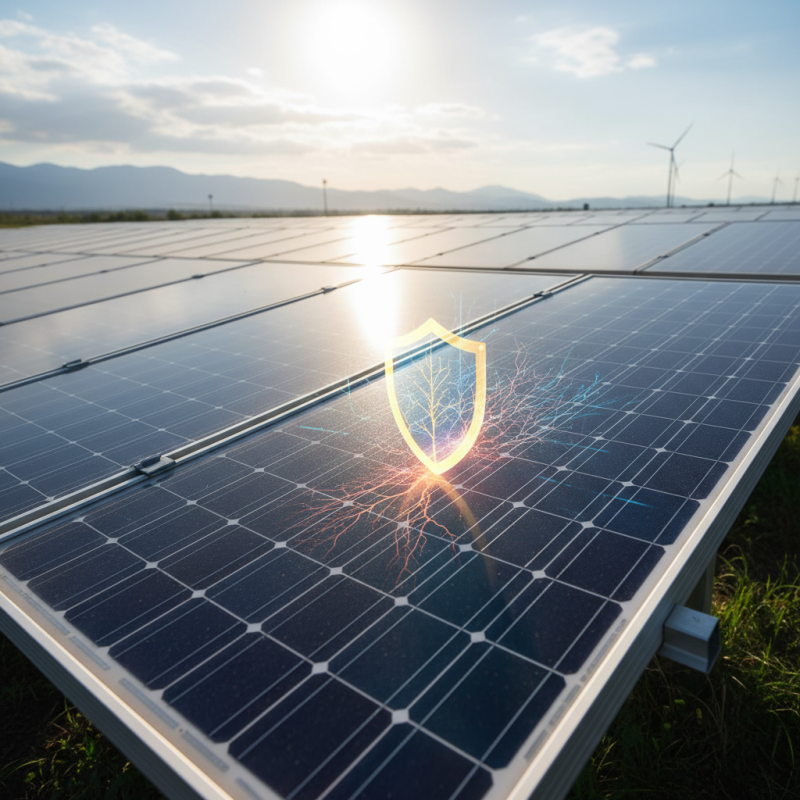
The Potential Induced Degradation (PID) effect in solar modules is a critical concern in photovoltaic technology. This phenomenon occurs when voltage differences lead to a loss of performance in solar panels. Moisture and temperature can accelerate this degradation. Understanding PID is essential for maintaining solar system efficiency over time.
There are several ways to combat PID. Keeping solar panels clean and ensuring proper installation reduces moisture accumulation. Regular inspections can identify early signs of degradation. Paying attention to environmental factors is crucial. High humidity areas often experience more PID.
Tip: Use anti-reflective coatings to improve module efficiency.
Another prevention method is utilizing a proper grounding system. This helps in balancing voltage and reducing PID risks. Reducing system voltage can also limit degradation. Monitoring performance regularly can help catch issues early, but it’s not foolproof. Sometimes, PID effects might still appear unexpectedly.
Tip: Implement regular system checks to catch PID early.
While several strategies exist, not all may work for every installation. Conditions vary widely. The effects of PID can sometimes be subtle, making them harder to detect. Continuous education on the latest preventive measures is necessary for solar system owners.
Photovoltaic (PV) systems face several challenges, with Potential Induced Degradation (PID) being a significant concern. PID occurs when voltage differences between the solar cells and the module frame create leakage currents. According to a study by the National Renewable Energy Laboratory, over 30% of PV installations could experience some degree of PID. This degradation can reduce energy output by up to 20% over time, significantly impacting system efficiency.
Common causes of PID include high humidity, temperature fluctuations, and inadequate grounding. Modules installed in coastal areas or locations with high pollution levels are particularly susceptible. It's crucial to monitor environmental factors that may accelerate PID. Regular inspections can help identify early signs of degradation, enabling proactive measures.
Tips: Ensure proper module grounding during installation to minimize PID risks. Employ anti-PID technology, such as specially designed encapsulants, to enhance durability. Lastly, consider using PID recovery treatments when degradation is detected. Implementing these strategies can bolster the longevity and efficiency of PV systems. The industry must continually innovate to address these challenges effectively.
This chart illustrates the common causes of potential-induced degradation (PID) effects in solar modules. Understanding these causes can help in effectively preventing PID in photovoltaic systems.
Preventing Potential Induced Degradation (PID) in solar modules is crucial for maintaining efficiency. PID can lead to significant power loss, estimated at 20% to 30% in affected systems. This degradation often arises from high temperatures and humidity, causing leakage currents that impact solar panel performance.
One effective strategy involves using PID-resistant materials during production. According to recent studies, modules with anti-PID coatings can reduce degradation rates significantly. Another solution is regular monitoring and maintenance of solar systems. Data shows that consistent performance checks can identify and mitigate PID early, preserving module integrity over time.
Additionally, installation practices play a key role. Proper grounding techniques can prevent moisture accumulation, which exacerbates PID risks. Implementing these strategies requires careful consideration and planning. While these methods are not foolproof, they represent proactive steps to manage PID in solar installations effectively.
| Strategy | Description | Effectiveness (%) | Cost ($) |
|---|---|---|---|
| Use Anti-PID Coatings | Applying specialized coatings that minimize PID. | 90 | 100 |
| Optimal String Configuration | Arranging modules to reduce voltage differences. | 85 | 50 |
| Regular Maintenance | Conducting frequent inspections and cleaning. | 80 | 200 |
| Temperature Monitoring | Using sensors to monitor and manage temperatures. | 75 | 150 |
| Use of PID Resistant Modules | Investing in modules designed to withstand PID. | 95 | 300 |
To effectively prevent the PID (Potential Induced Degradation) effect in solar modules, regular monitoring and maintenance are essential. One of the best practices is to conduct routine inspections. Check for discoloration or cracks in the modules. A simple visual assessment can reveal issues before they escalate. In humid or coastal areas, components can be more prone to PID. Ensuring the cleanliness of solar panels also plays a vital role. Dust and debris can trap moisture, which contributes to PID development.
Monitoring electrical performance is crucial. Use performance monitoring tools to detect any irregularities in voltage or current. If performance drops significantly, it could be a sign of PID. Implementing thermal imaging can aid in identifying hot spots, which are often related to degradation. It’s important to look out for these indicators and act swiftly. Regular cleaning schedules can help minimize risks associated with dirt accumulation.
Reflecting on operational practices, training staff on PID awareness can strengthen prevention efforts. During trainings, include case studies that highlight failed systems due to PID. This knowledge fosters a proactive approach. Additionally, documentation of maintenance activities is critical. Tracking changes over time provides valuable insight into performance trends, allowing for early intervention. Constant vigilance is necessary, as PID can silently diminish module efficiency.
The PID effect, or potential-induced degradation, poses a significant challenge for solar modules. This issue can lead to reduced efficiency and damaged panels. To combat this, several innovative technologies have emerged, focusing on improving module design and materials. Anti-PID testing methods are being implemented to enhance resilience.
One promising approach involves using specialized coatings. These coatings help prevent moisture ingress, a key factor in PID occurrence. Additionally, advancements in module encapsulation technology strengthen the integrity of solar cells. Research shows that improving the quality of materials can greatly minimize the likelihood of PID effects.
It’s essential for manufacturers to continuously innovate and adapt. While some methods prove effective, their long-term reliability remains uncertain. Regular testing and monitoring are crucial. The quest to mitigate the PID effect is ongoing, and collaboration among industry experts is vital. Each breakthrough leads to more strategic solutions, but reflections on past challenges drive future improvements.
: PID occurs due to voltage differences, causing performance loss in solar panels. Moisture and temperature can accelerate this degradation.
Keep solar panels clean and ensure proper installation to reduce moisture. Regular inspections help identify early signs of degradation.
Monitoring helps detect irregularities in voltage or current. Sudden performance drops can indicate the presence of PID.
High humidity areas often experience more PID. Weather conditions greatly impact module degradation rates.
Thermal imaging identifies hot spots related to degradation. This allows timely intervention to address potential performance issues.
Advanced coatings and improved module encapsulation technology help prevent moisture ingress, which is crucial for minimizing PID.
Training staff on PID awareness and sharing case studies strengthen proactive efforts against degradation.
Keep records of maintenance activities. Tracking changes over time provides insight into performance trends, helping with early intervention.
Not all methods are universally effective. Conditions vary widely, which can influence the effectiveness of prevention strategies.
Ongoing education ensures solar system owners stay informed on the latest preventive measures and technologies to combat PID effectively.
The article "How to Prevent PID Effect in Solar Modules Effectively?" provides a comprehensive overview of the potential challenges posed by Potential Induced Degradation (PID) in solar energy systems. It begins by explaining the PID effect, including its common causes, such as humidity, temperature fluctuations, and electrical imbalances. Understanding these factors is crucial for solar module owners and operators.
To address the issue, the article outlines effective strategies to prevent PID in solar modules. These include regular maintenance practices, the use of advanced monitoring systems to detect early signs of PID, and the implementation of innovative technologies designed to mitigate its effects. By adopting these best practices, users can significantly reduce the risk of PID, thereby enhancing the longevity and performance of their photovoltaic systems. This guidance serves as a vital resource for those eager to learn how to prevent PID effect in solar modules.

Ran Solar