Top 10 Ways to Protect Solar Modules from Lightning Strikes?

Time:2026-07-02 Author:Oliver
0%

Lightning strikes can pose a significant threat to solar modules. Understanding how to protect solar modules from lightning strikes is essential for maximizing their lifespan and efficiency. As these installations grow in popularity, so does the necessity to safeguard them from severe weather events.

Solar modules are often placed in open areas, making them vulnerable to lightning. The energy from a lightning strike can cause catastrophic damage. This not only results in costly repairs but can also lead to unexpected downtime. Many solar system owners are unsure about the best protective measures. It is crucial to explore expert-recommended strategies.

Incorporating robust grounding systems and surge protection devices can significantly reduce risks. Proper installation and maintenance of these systems are critical for effectiveness. While many solutions exist, not all may suit every installation. It is essential to evaluate individual needs carefully. Understanding risks helps in making informed decisions regarding protective measures. Ultimately, preparing for lightning is not merely about equipment; it involves awareness and proactive planning.
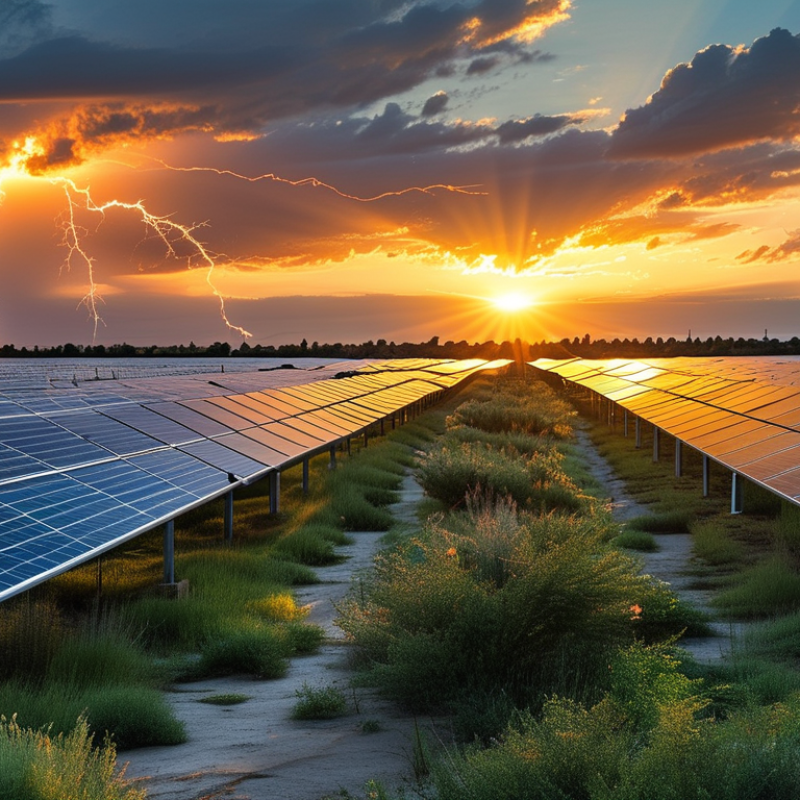
Top 10 Ways to Protect Solar Modules from Lightning Strikes?

Understanding the Risk of Lightning Strikes on Solar Modules

Lightning poses a significant risk to solar modules. When a strike occurs, it can cause severe damage, leading to costly repairs. Most solar panel systems are not immune to lightning. Understanding this risk is crucial for maintaining the integrity of your solar investment.

To enhance protection, consider installing a lightning rod. This device can divert strikes away from the solar modules. Proper grounding of the entire system is essential. A strong grounding mechanism can help dissipate the energy safely. Regular inspections can identify any vulnerabilities. Ensure connections are tight, and hardware is rust-free.

Monitor weather forecasts closely, especially during thunderstorms. If a storm is imminent, disconnecting the solar system from the grid can reduce risk. Implementing surge protection devices is wise. These can absorb excess energy and safeguard your system. By taking these proactive steps, you can minimize the risk of lightning damage to your solar modules.

Essential Grounding Techniques for Solar Panel Systems

Effective grounding techniques are vital for protecting solar panel systems from lightning strikes. Proper grounding captures and directs lightning safely into the ground. This process minimizes the risk of damage to the solar modules and the overall system. Grounding provides a stable pathway, reducing the voltage that can affect sensitive electronics.

To implement effective grounding, start by using a dedicated ground rod. The rod should be driven deep into the earth, following local regulations. This will create a solid connection to the ground. Employ grounding conductors that can handle high voltage. These conductors must be copper or aluminum to ensure maximum conductivity.

Another point to consider is the installation of surge protection devices. These devices help manage unexpected spikes in voltage. While grounding minimizes risks, it’s crucial to enhance the system with these protective measures. Regular inspections are necessary to check for corrosion and ensure connections are tight. Small issues can escalate, leading to costly repairs. Therefore, an ongoing maintenance plan is essential. Effective grounding is not just about installation; it requires constant attention and adjustment.

Incorporating Surge Protection Devices for Solar Installations

Surge protection devices (SPDs) play a critical role in safeguarding solar installations from lightning strikes. These devices redirect excess voltage caused by lightning, preventing damage to solar modules and connected electronics. Without proper protection, a single strike can lead to costly repairs and prolonged downtime.

Choosing the right type of SPD is essential. They come in various designs, including Type 1 and Type 2, each serving different requirements. Type 1 devices are installed at the service entrance, while Type 2 devices are meant for downstream protection. It's vital to assess the unique needs of your solar setup to select appropriate devices.

Regular maintenance is key to ensuring SPDs function correctly. Inspecting these devices regularly can prevent unforeseen failures. Overlooking this aspect can lead to catastrophic losses. While SPDs offer a robust solution, they are not infallible. Lightning protection requires a holistic approach, involving proper system grounding and effective installation practices. This multifaceted strategy enhances resilience against nature's unpredictable elements.

Top 10 Ways to Protect Solar Modules from Lightning Strikes

Regular Maintenance and Inspection for Lightning Damage

Regular maintenance and inspection are crucial for solar modules, especially regarding lightning damage. Regular check-ups can identify weak points in the system. Look for any corrosion or loose connections. These issues can exacerbate lightning risks. Inspecting during storm seasons is particularly important.


Tips: Conduct visual inspections at least twice a year. Assess all connections and ensure they are secure. Look for signs of wear in the wiring, as damaged wires are more susceptible to lightning strikes.


Install surge protection devices. These mechanisms divert excess voltage away from modules. Ensure these devices are in good condition during inspections. Consider working with a professional to evaluate your system. Lightning can cause unseen damage that may not be caught through basic checks.


Tips: Ensure your surge protectors meet industry standards. Discuss with experts about optimal locations for installation. Regular maintenance enhances the longevity of your solar system and reduces lightning-related risks.

Choosing the Right Location for Optimal Lightning Safety

Choosing the right location for solar modules is crucial for lightning safety. High sites attract more lightning strikes. Therefore, avoid placing modules on tall roofs or high hills. Look for areas with lower elevation, away from tall structures. This reduces the risk of direct hits. Always consider local weather patterns as well. Understanding the frequency and intensity of storms in your area is essential.

Grounding is also pivotal in ensuring safety. Solar modules should be installed with proper grounding techniques. A well-grounded system can minimize damage from lightning. Securing modules away from trees is important too. Trees can act as conductors and draw lightning to nearby structures. Using barriers can help, but these must be carefully positioned.

Regular maintenance is often overlooked. Inspecting the installation regularly can identify potential risks. This reflective practice enhances your system's longevity. Unattended equipment may face unexpected issues. Lightning can cause sudden failures, leading to costly repairs. A proactive approach ensures that your system remains safe during storms.

FAQS

: What role do surge protection devices (SPDs) play in solar installations?

: SPDs redirect excess voltage from lightning strikes, protecting solar modules and electronics from damage.

How do I choose the right type of SPD for my solar setup?

Assess your needs. Type 1 SPDs go at the service entrance, while Type 2 devices are for downstream protection.

Why is regular maintenance important for SPDs?

Regular inspections prevent unforeseen failures and catastrophic losses from potential lightning strikes.

Can SPDs guarantee complete protection against lightning?

No, SPDs are not infallible. A holistic approach is necessary for comprehensive lightning protection.

What should I consider when choosing a location for solar modules?

Avoid high sites and tall roofs. Opt for lower elevations and consider local storm patterns to reduce risks.

How can proper grounding enhance lightning safety for solar installations?

A well-grounded system minimizes lightning damage, making grounding techniques essential for installation safety.

Are trees a risk to solar installations during storms?

Yes, trees can conduct lightning. It's safer to secure modules away from them to lower strike risk.

How does regular maintenance influence the longevity of a solar system?

Regular checks identify risks and prevent unexpected issues, ensuring your system remains operational during storms.

What are potential consequences of neglecting the maintenance of SPDs?

Neglect can cause sudden failures, leading to costly repairs and increased downtime for solar installations.

What is a multifaceted strategy for lightning protection?

Combining SPDs, proper grounding, and effective installation practices enhances resilience against lightning strikes.

Conclusion

In the quest to understand how to protect solar modules from lightning strikes, it is crucial to recognize the inherent risks that lightning poses to solar installations. Implementing essential grounding techniques can significantly reduce the likelihood of damage, ensuring that electrical surges have a safe pathway to the ground. Additionally, the incorporation of surge protection devices is vital, as they act as a shield during severe weather, safeguarding the system from unexpected voltage spikes.

Regular maintenance and inspection of solar panels also play a key role in identifying potential vulnerabilities and addressing them before lightning strikes can occur. Moreover, choosing the right location for solar installations can enhance safety by avoiding areas prone to frequent lightning activity. By following these strategies, solar system owners can effectively mitigate the risks associated with lightning strikes and enhance the longevity and reliability of their solar modules.

Oliver

Oliver

Oliver is a seasoned marketing professional with a wealth of expertise in driving brand awareness and engagement. With a deep understanding of our company's product offerings, he consistently delivers high-quality content that enriches our professional blog. His insights not only shed light on......