In the world of renewable energy, understanding how to test a solar panel with a multimeter is vital. According to Dr. Emily Chan, a renowned solar energy expert, "A multimeter is an essential tool for anyone serious about solar technology." This statement emphasizes the importance of accurate testing in ensuring solar panels operate efficiently.
Testing solar panels can seem complex, but it doesn’t have to be. With some practice, anyone can learn the basics of utilizing a multimeter. This device measures voltage and current, providing insights into a panel's performance. Anyone interested can start with basic guidelines. However, it's crucial to consider safety precautions while handling any electrical devices.
Learning how to test a solar panel with a multimeter provides valuable skills. Yet, mastering it requires patience and reflection on common errors. For instance, misreading the multimeter scale can lead to incorrect conclusions. Embrace the learning process, and you will enhance your solar energy knowledge.
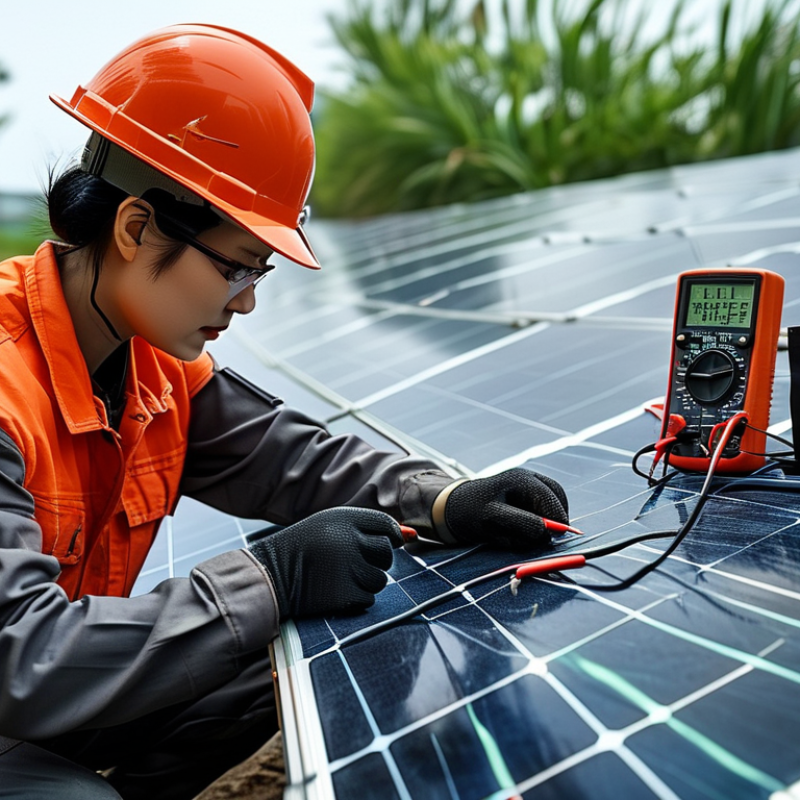
Understanding solar panels and multimeters is essential for effective testing. Solar panels convert sunlight into electricity using photovoltaic cells. Each panel has a rated voltage and current, which are key to its efficiency. When testing, you need to measure these values. A multimeter is the perfect tool for the job. It can help ensure your solar panel functions as expected.
Using a multimeter involves some basic steps. Set the meter to measure DC voltage. Place the red probe on the positive terminal and the black probe on the negative terminal of the panel. It’s important to do this under sunlight for accurate results. The voltage reading you get should be close to the rated voltage. If it’s significantly lower, the panel might have issues that need further investigation.
Keep in mind not all readings will be perfect. You might find fluctuations in voltage. Environmental factors could affect your measurements. Shadows, dust, and temperature changes can all play a role. Learning how to interpret these figures takes practice. Observing, noting conditions, and reflecting on results will enhance your understanding over time.
When testing solar panels in 2026, having the right tools is crucial. A digital multimeter is essential for measuring voltage and current output. Ensure your multimeter can handle the specific range of your solar panels. This tool will help you confirm whether your panels are performing efficiently. A clamp meter is also a valuable addition, allowing for quick current readings without breaking electrical connections.
Other useful tools include a solar irradiance meter. This device measures sunlight intensity and helps determine how much energy your panels should produce. A cleaning cloth is important to remove dirt and debris. Dirty panels can lead to inaccurate testing results and inefficient energy production. Additionally, having a notebook for recording data is crucial. Tracking performance over time reveals potential issues and helps with future assessments.
Some challenges may arise while testing. Multimeters can give faulty readings if not calibrated properly. Ensure you check the calibration before testing. Additionally, weather conditions can affect readings. It’s best to test under consistent sunlight for accurate results. Remember to approach the testing process with patience and care, as even minor errors can lead to misleading conclusions about your solar panel system's health.
Testing your solar panel's voltage output is essential for ensuring optimal performance. A multimeter is a vital tool for this task. Before testing, ensure that your solar panel is exposed to sunlight. This condition is crucial as the voltage output varies significantly based on light intensity.
Begin by setting your multimeter to the DC voltage range. Connect the red probe to the positive terminal of the panel and the black probe to the negative terminal. For most solar panels, a voltage output between 18 to 36 volts is expected. This range indicates efficiency; values below 15 volts may suggest a malfunction. According to industry reports, regular checks can enhance solar panel efficiency by up to 20% over time.
Be mindful of your environment. Shadows or dirt on the panel can affect readings. A clean, well-oriented panel performs better. If the output varies drastically during tests, further inspection may be warranted. Regular monitoring helps in identifying performance drops early, allowing for timely maintenance.
When analyzing solar panel performance, several key factors come into play. One critical aspect is the angle of installation. Studies show that a tilted angle can enhance energy production by 15-30%. The orientation should align with the sun's path, maximizing sunlight exposure throughout the year. A flat installation might simplify maintenance but can lead to decreased efficiency.
Temperature also significantly affects performance. According to the National Renewable Energy Laboratory, panel efficiency can drop by 0.5% for every degree Celsius increase above 25°C. This is crucial in regions with high summer temperatures. Monitoring the temperature can help in assessing a panel's output and longevity.
The quality of components used in solar panels deserves attention. The materials in the PV cells can lead to performance variability. Data indicates that panels with monocrystalline cells generally offer higher efficiency than those made from polycrystalline cells. However, these come at different price points. This trade-off requires careful consideration for both immediate costs and long-term returns. Testing performance regularly with a multimeter can help track these variations. Regular checks ensure that panels operate at optimal levels.
| Parameter | Measurement Units | Example Values |
|---|---|---|
| Open Circuit Voltage (Voc) | Volts (V) | 18.5 V |
| Short Circuit Current (Isc) | Amperes (A) | 5.5 A |
| Maximum Power Voltage (Vmp) | Volts (V) | 17.2 V |
| Maximum Power Current (Imp) | Amperes (A) | 5.1 A |
| Efficiency | Percentage (%) | 18% |
| Temperature Coefficient (Voc) | mV/°C | -0.3 mV/°C |
Testing a solar panel with a multimeter can ensure its efficiency and health in 2026. Understanding the readings from your multimeter is crucial. It helps determine whether your solar panels are functioning optimally. Ensure proper contact between the multimeter probes and the solar panel terminals. Any dirt or corrosion might skew your readings.
When measuring voltage, set the multimeter to the DC voltage setting. A healthy solar panel should read close to its rated output. If the reading is significantly lower, consider possible issues like shading or damage. Take note of environmental factors too; cloudy weather can affect measurements.
Tips for accurate readings: Always test the solar panel in bright, direct sunlight to get the best results. Avoid touching the probes together while measuring; this can lead to inaccurate data. Record your readings over different times of the day. This approach allows you to notice patterns or inconsistencies in the performance of your solar panels. If discrepancies occur, investigations are warranted.
: A digital multimeter measures voltage and current output from solar panels to check their efficiency.
A clamp meter allows for quick current readings without disconnecting electrical connections, saving time.
It measures sunlight intensity, which determines the expected energy production of solar panels.
Dirt can lead to inaccurate testing results and lower energy production, so it's vital to keep panels clean.
Keeping notes aids in tracking long-term performance and identifying potential issues with the solar panel system.
Faulty calibration can lead to inaccurate readings. Always check calibration before conducting tests.
A tilted installation can improve efficiency by 15-30% compared to flat setups, which might be easier to maintain.
Efficiency drops by 0.5% for every degree Celsius above 25°C, impacting output in hot climates.
Material quality varies performance; for instance, monocrystalline panels typically perform better than polycrystalline ones.
Regular performance checks with a multimeter can help ensure panels operate at their optimal levels over time.
In "How to Test a Solar Panel with a Multimeter in 2026," the article begins by elucidating the fundamental principles of solar panels and multimeters, highlighting their essential functions. It further provides a comprehensive guide on the tools required for effective testing, ensuring readers are well-equipped for the process.
The article then offers step-by-step instructions for measuring the voltage output of solar panels, emphasizing the importance of understanding key performance factors. It also covers how to accurately interpret multimeter readings to guarantee precise measurements, which is crucial for assessing a solar panel's efficiency and reliability. This detailed approach ensures that users are empowered to effectively test solar panels with a multimeter, enhancing their solar energy systems' performance.

Ran Solar