When considering renewable energy solutions, one question often arises: why should I use bifacial modules for ground projects? Bifacial solar modules capture sunlight from both sides, maximizing energy generation. This innovation significantly enhances efficiency compared to traditional panels. Ground projects can immensely benefit from the added power output.
Furthermore, these modules have become popular due to their durability and lower maintenance needs. They're designed to withstand harsh environments, reducing total lifecycle costs. With advanced technologies, users can now optimize site conditions for better performance.
However, some factors warrant caution. Not every site may provide the right conditions for bifacial modules to shine. It's essential to assess factors like land layout and sunlight reflectivity. While the benefits are clear, misapplication can lead to suboptimal results. Proper evaluation is crucial for success in maximizing energy yield.
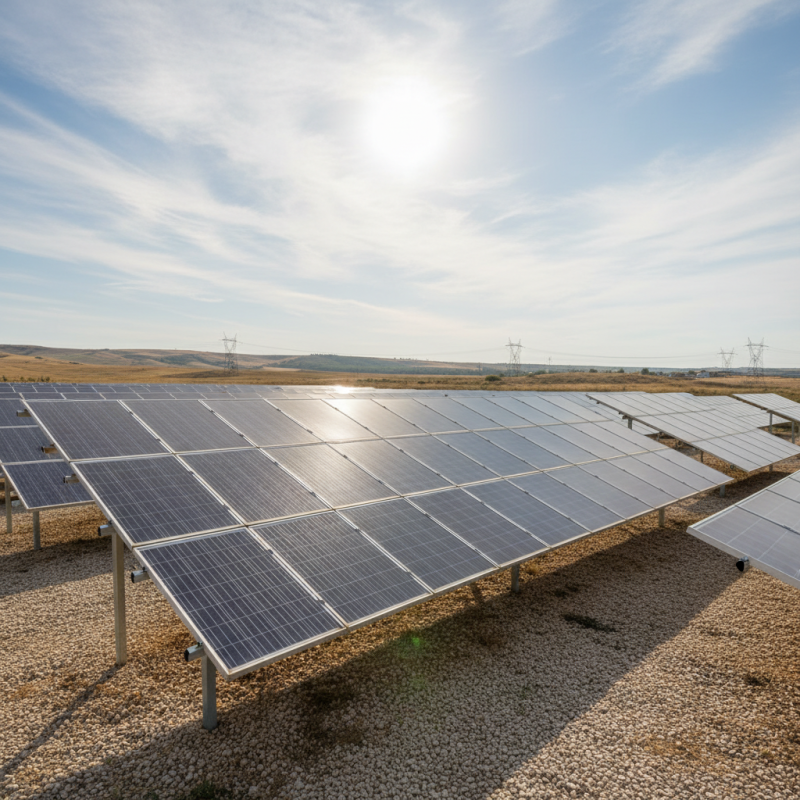
Bifacial solar modules are gaining attention in ground-mounted installations. These panels can capture sunlight from both the front and rear. This design leads to significant gains in energy production. Studies indicate that bifacial modules can increase energy output by 10-20% compared to traditional panels.
One of the key benefits is the improved efficiency in various terrains. Ground reflections, especially in snowy or bright environments, enhance the rear side performance. Additionally, these modules typically have a longer lifespan. They demonstrate better resistance to environmental degradation. This can reduce overall maintenance costs and increase return on investment over time.
Tip: It's essential to consider the installation orientation. Orientation and tilt angles can greatly affect the energy yield from bifacial modules. Also, ensure that the ground reflects light well to maximize the rear side efficiency. Regular assessments can help in identifying optimal conditions for energy capture.
Bifacial modules are gaining traction in ground projects due to their unique ability to enhance energy production efficiency. These solar panels capture sunlight from both the front and back sides. This dual exposure leads to increased power generation, especially in areas with reflective surfaces like snow or sand.
The effectiveness of bifacial panels is crucial for maximizing output. They can produce up to 20% more electricity compared to traditional modules. However, site conditions play a significant role. Not every location optimizes performance. Careful analysis is needed to ensure that the environment supports their efficiency. Factors like shading and terrain can alter expected results.
Despite these challenges, the potential benefits are clear. Bifacial modules present an innovative solution in the renewable energy sector. Their design promotes sustainability while addressing the growing demand for clean energy. As technology advances, further improvements are likely to refine their performance, making them a vital part of future energy strategies.
Bifacial solar modules have gained popularity for ground projects due to their unique design, which harnesses sunlight from both sides. This can significantly enhance energy production. A cost-effectiveness analysis reveals that these modules can yield more output over their lifetime compared to traditional monofacial panels. Their dual-sided capability allows for increased efficiency, especially in reflective environments like snowy or sandy terrains.
When analyzing costs, it’s essential to consider installation and land usage. Bifacial modules often require fewer panels to achieve the same energy output. This reduces the overall project cost, including labor and land expenses. Maintenance can also be simplified, as fewer units are needed to generate substantial power.
However, the initial investment for bifacial technology might be higher than monofacial options. Not all locations will benefit equally from this technology. Site selection and environmental factors play a crucial role. Poorly chosen sites may lead to diminished returns. It's important to evaluate if the specific conditions will maximize the advantages of bifacial modules. Understanding these nuances is vital in making informed decisions for solar projects.
Bifacial solar modules have gained attention for their unique ability to harness sunlight from both sides. A key factor influencing their performance is albedo, the measure of solar energy reflected from surfaces. In different climates, the albedo can significantly impact the energy output of these modules.
For instance, in snowy regions, the albedo effect is pronounced. Snow reflects a considerable amount of sunlight, increasing the energy generated by bifacial panels. On the other hand, arid climates often have lower albedo values. Here, ground surfaces, like sand or dirt, reflect less light. This situation can lead to reduced performance for bifacial modules compared to higher albedo environments.
However, there are shortcomings to consider. Albedo varies depending on local conditions. Dust accumulation can also affect performance, especially in dry landscapes. In humid areas, solar panels may face more shading, which can impede their efficiency. Each climate presents unique challenges and opportunities for bifacial technology. By understanding and adapting to these conditions, developers can maximize the benefits of bifacial modules.
Bifacial solar panels are gaining popularity in ground projects, mainly due to their long-term durability and reliability. A recent report by the National Renewable Energy Laboratory indicates that these panels can yield up to 30% more energy than traditional monofacial panels. This increase arises from their ability to capture sunlight on both sides. When installed correctly, they can significantly enhance energy generation over their lifespan.
Durability is another key factor. Bifacial panels often feature robust materials, designed to withstand harsh environmental conditions. Studies show that bifacial panels typically undergo less degradation than conventional options. Research highlights that they can maintain over 80% of their efficiency after 25 years, compared to about 75% for monofacial panels. This longevity offers a compelling advantage for ground projects, minimizing the need for replacements.
Despite these benefits, challenges exist. The installation angle and the reflective properties of the ground surface can impact performance. Not every site will maximize the bifacial advantage. It's vital to conduct site assessments and tailor solutions according to specific conditions. Engaging with experts can help navigate these complexities, ensuring that projects achieve desired energy outputs.
| Reason | Description | Durability Rating (Years) | Efficiency Gain (%) | Lifetime Energy Production (kWh) |
|---|---|---|---|---|
| Improved Energy Production | Bifacial modules capture sunlight from both sides, boosting energy output. | 30 | 15 | 18,000 |
| Long-Term Reliability | Designed to withstand harsh weather conditions and degradation. | 30 | 12 | 16,500 |
| Reduced Land Use | Higher energy output per unit area minimizes land requirements. | 30 | 18 | 20,000 |
| Cost-Effective in the Long Run | Higher initial investment balanced by increased efficiency and lower LCOE. | 30 | 10 | 15,000 |
| Environmental Benefits | Encourages sustainable practices by maximizing solar energy utilization. | 30 | 14 | 17,500 |
: Bifacial solar modules capture sunlight on both sides. This enhances energy production.
Studies show an increase of 10-20% compared to traditional panels. This depends on several factors.
They perform well in snowy or bright areas. Ground reflections boost the rear side's energy capture.
They usually have a longer lifespan due to better resistance to environmental damage.
Yes, they often require fewer panels, which reduces installation costs and maintenance.
Installation orientation and ground reflectivity are crucial for maximizing energy yield.
High albedo surfaces, like snow, enhance energy output. Low albedo surfaces can reduce performance.
No, site selection matters. Poor locations may not yield expected returns on investment.
Dust in dry areas can hinder performance. Humid climates can introduce shading issues.
Yes, the upfront costs can be greater than traditional options. Consider the long-term benefits carefully.
Bifacial modules are becoming increasingly popular for ground-mounted solar installations, and understanding why should I use bifacial modules for ground projects is crucial for optimizing energy production. These modules leverage their ability to capture sunlight from both sides, significantly enhancing energy production efficiency. The performance of bifacial panels is also influenced by the ground's albedo, allowing them to harness reflected light effectively, especially in varying climates.
Cost-effectiveness is another key advantage, as bifacial technology often yields higher returns compared to traditional monofacial systems over time. Additionally, they exhibit long-term durability and reliability, making them a sound investment for solar projects. By considering these benefits, project developers can make informed decisions that lead to sustainable and economically viable solar energy solutions.

Ran Solar