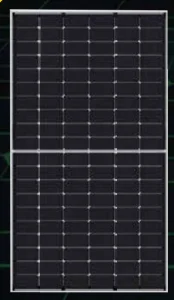
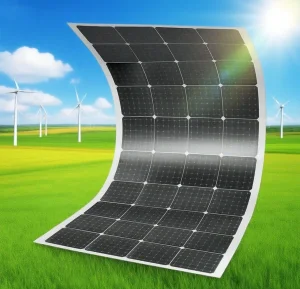
Bridging High-Efficiency Solar Technology with Pennsylvania's Rapid Decarbonization Targets
The Greater Philadelphia metro area is experiencing an unprecedented structural shift in its commercial and industrial (C&I) energy landscape. Driven by the City of Philadelphia’s commitment to transition to 100% clean energy by 2050, coupled with Pennsylvania’s Alternative Energy Portfolio Standards (AEPS) and rising local PECO commercial electric tariffs, solar energy is no longer just an environmental initiative—it is a vital financial hedging strategy. Deploying advanced monocrystalline PV technology provides regional enterprises with long-term price stability, significant tax mitigation, and peak-shaving benefits in the PJM Interconnection grid territory.
However, the Mid-Atlantic climate presents unique operational challenges. From intense Delaware Valley humidity in the summer to freezing snow loads along the I-95 corridor in the winter, commercial installations require high-performance hardware. Anhui Ran Solar Co., Ltd. supplies premium Tier-1 grade monocrystalline panels that deliver exceptional low-light efficiency, low temperature coefficients, and high physical load thresholds to ensure optimal yield under Pennsylvania’s overcast winters and high snow loads.
By purchasing direct from Anhui Ran Solar's state-of-the-art Chinese manufacturing facilities, Philadelphia developers, EPCs, and energy procurement directors bypass unnecessary distribution markups. Our direct factory channel facilitates seamless compliance processes, custom logistics pipelines directly to the Port of Philadelphia (PhilaPort), and robust supply chain traceability documentation essential for US trade requirements.
Select, High-Capacity Monocrystalline Solar Panel Series Built for Mid-Atlantic Commercial & Industrial Operations
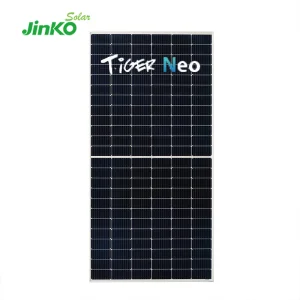
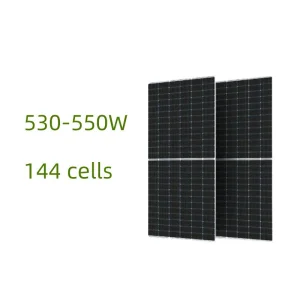
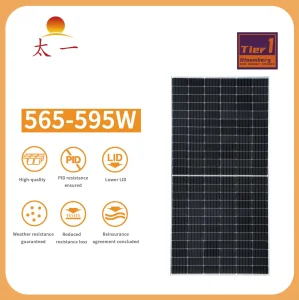
Engineering Superior Performance for High-Latitude, Variable-Weather Microgrids
In Philadelphia, solar installations experience significant changes in solar irradiance throughout the year. Winter brings shorter days, diffuse overcast conditions, and periodic snowfall. Monocrystalline silicon panels, specifically N-type Tunnel Oxide Passivated Contact (TOPCon) architectures, are highly suitable for these environments compared to traditional P-type PERC technology.
The N-type substrate provides zero Light-Induced Degradation (LID) and has a lower temperature coefficient (down to -0.30%/°C). During hot summer days in southeastern Pennsylvania, where ambient temperatures can reach 95°F (with roof temperatures exceeding 140°F), N-type modules experience lower thermal output degradation, producing more kilowatt-hours per installed kilowatt of capacity.
For ground-mounted systems and flat C&I gravel or white TPO membrane roofs, bifacial monocrystalline modules capture significant additional energy. The rear side of double-glass modules captures reflected light (albedo) from the ground surface.
When snow blankets the Delaware Valley, the high albedo of snow (up to 80% reflectance) boosts the rear-side power generation of bifacial panels. This additional energy output helps melt snow on the front side of the module more quickly, reducing overall system downtime and improving winter yield profiles for commercial PJM net-metering accounts.
As a leading solar products manufacturer, Anhui Ran Solar Co., Ltd. specializes in the research, development, production, and global sales of high-quality solar PV products. Since our establishment in 2011, Anhui Ran Solar has achieved remarkable milestones, surpassing many competitors in production capacity, innovative designs, and technological advancements. We firmly believe that innovation drives progress, and we continually pursue new technologies and higher efficiencies to empower a sustainable energy future.
Currently, Anhui Ran Solar boasts a global production capacity of 7.5 GW, serving customers across more than 80 countries with premium products and professional services. By the end of 2023, over 15 GW of our solar modules have been deployed worldwide, powering residential, commercial, and utility-scale projects.
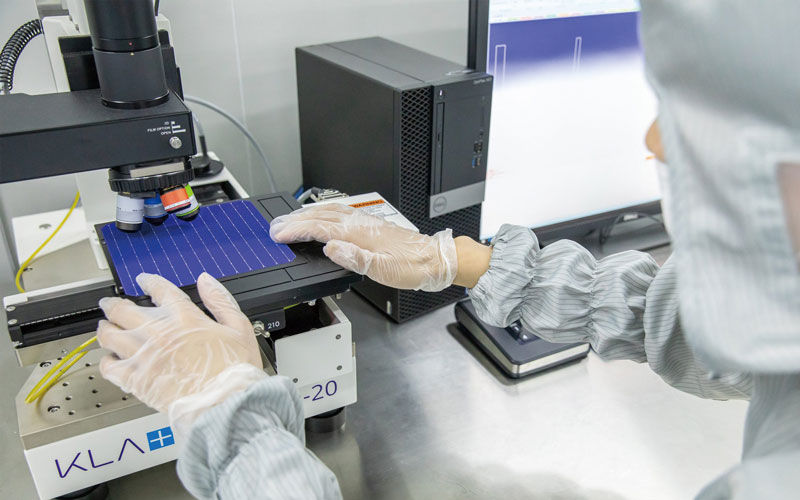
Pioneering Next-Generation Cell Architecture with ISO-Certified Quality Standards
We provide a full spectrum of advanced renewable energy technologies to meet the unique needs of every customer, whether utilities, commercial enterprises, or industrial clients. Our dedicated R&D team continuously explores next-generation solar solutions, including high-efficiency modules, bifacial technologies, and smart energy solutions.
Over 40 patented technologies have been implemented to optimize production processes. Our modularized, fully automated production lines enable rapid delivery, optimized costs, and consistent quality, ensuring traceability and precision across operations.
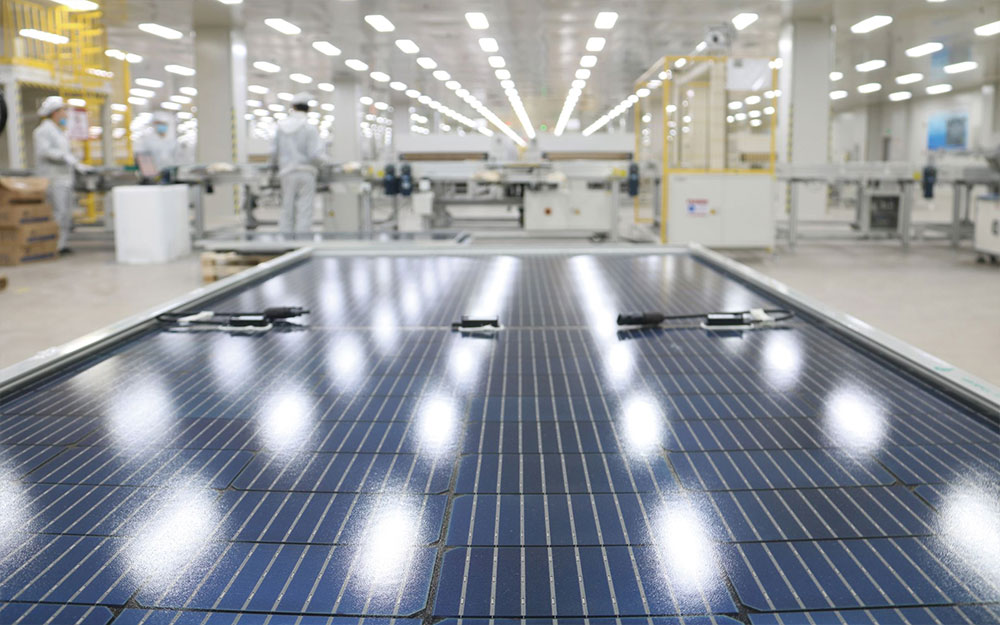
Anhui Ran Solar invests continuously in advanced testing equipment and professional employee training to maintain high standards. Our products have achieved certifications for Quality Management System (ISO 9001:2015), Environmental Management System (ISO 14001:2015), and Occupational Health and Safety Management System (ISO 45001:2018) from both DNV GL and GZCC, reflecting our commitment to excellence, sustainability, and workplace safety.
Seamless Procurement Operations for Philadelphia Developers and EPC Contractors
Importing large-scale PV modules into the United States requires navigating complex regulatory frameworks. At Anhui Ran Solar, we assist our US partners by providing full administrative and technical compliance support. We specialize in providing detailed documentation to confirm compliance with all US regulations and import protocols, ensuring that your procurement process remains efficient and risk-free.
Under current US import guidelines, providing traceability documentation is essential for smooth customs clearance. Anhui Ran Solar maintains thorough records of our supply chain, mapping raw polysilicon from verified sources, ingot casting, wafer slicing, cell fabrication, and module assembly. When you purchase our modules for Pennsylvania municipal or private utility installations, we supply a comprehensive documentation pack to ensure seamless customs clearance at US ports of entry.
We offer customized logistics solutions to optimize transportation timelines and minimize regional transit costs. Whether shipping via ocean freight directly to PhilaPort or routing through the Port of New York and New Jersey, our global logistics team coordinates container shipments to align with your project's mechanical installation schedule. This direct-to-site approach reduces inland transport costs and minimizes the risk of module transit damage.
| Compliance & Quality Standard | US Regional Applicability | Documentation Provided |
|---|---|---|
| UL 61730 Certification | Mandatory for all US interconnection permits (PECO / PJM) | Nationally Recognized Testing Lab (NRTL) Certificate |
| IEC 61215 / 61730 | Global quality and mechanical durability baseline | TÜV SÜD / DNV GL Test Reports |
| Supply Chain Traceability | Crucial for US Customs and Border Protection (CBP) clearance | Polysilicon Purchase Receipts, Bill of Materials (BOM), CoO Documents |
| ISO 9001, 14001, 45001 | Required for corporate ESG and municipal bids in Philadelphia | Accredited Registrar Audit Certificates |
Monocrystalline Solar Solutions Customized for the Delaware Valley's Architectural Fabric
In the PECO service territory, commercial systems can utilize virtual net metering and earn valuable Solar Renewable Energy Certificates (SRECs) for every megawatt-hour generated. By integrating Anhui Ran Solar's high-efficiency panels, system designers can optimize the DC-to-AC ratio of their inverters. This design maximizes output during winter hours and high-demand summer peak periods, ensuring rapid payback and high ROI for your project.
Direct Factory Pricing for High-Efficiency Monocrystalline & Specialized Photovoltaic Modules
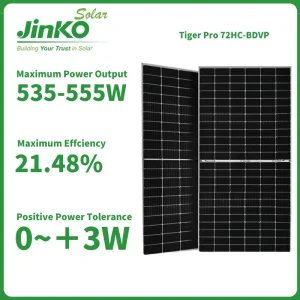
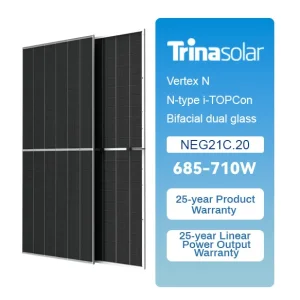
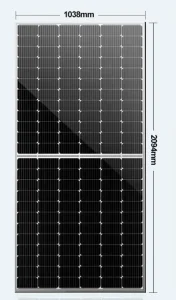
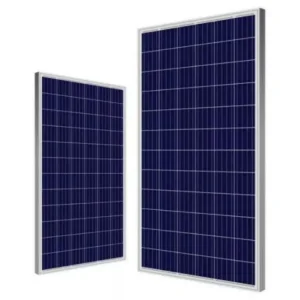
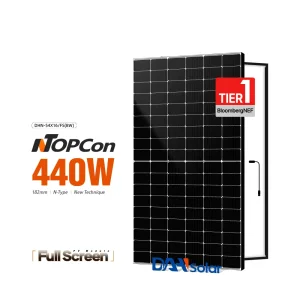
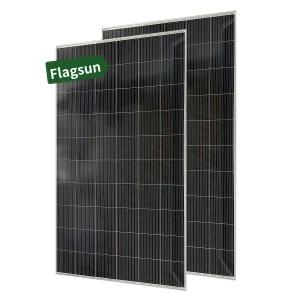
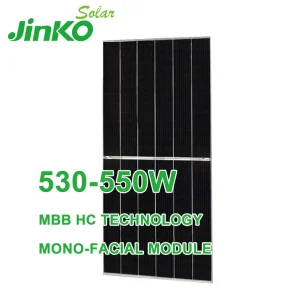
We also manufacture niche solar products designed for marine, recreational vehicles, smart grids, and localized low-power industrial electronics. Direct links to our factory specs:
Critical Procurement Questions Answered for Commercial Solar Projects in the PJM Territory
Pennsylvania SRECs (Solar Renewable Energy Certificates) allow commercial solar system owners to sell certificates generated by their solar panels back to utilities to meet state-mandated clean energy goals. For every 1 MWh of solar power generated, you receive 1 SREC. By utilizing high-efficiency monocrystalline solar panels from Anhui Ran Solar, you generate more kilowatt-hours per square foot. This higher generation directly increases the annual volume of SRECs you can sell, significantly shortening your payback period and improving the overall project internal rate of return (IRR).
The Mid-Atlantic region experiences seasonal climate swings with warm, humid summers and overcast, snowy winters. TOPCon N-type monocrystalline technology is highly effective in these conditions due to its low temperature coefficient (-0.30%/°C) and excellent low-light performance. TOPCon modules also do not suffer from Light-Induced Degradation (LID) in their initial years. This means they deliver higher lifetime energy yields and maintain higher performance in diffuse, overcast conditions compared to standard P-type panels.
We maintain full traceability of our supply chains to ensure compliance with US import regulations, including the Uyghur Forced Labor Prevention Act (UFLPA). Anhui Ran Solar provides detailed documentation, including supply chain traceability reports, purchase receipts for raw materials, manufacturing records, and certified Bills of Materials (BOM). This transparency helps facilitate smooth customs clearance and compliance for your installations.
Our monocrystalline modules are certified to withstand severe weather, meeting international mechanical load standards. They are certified for a front-side maximum static load of up to 5400 Pa (equivalent to heavy snow and ice) and a rear-side maximum load of up to 2400 Pa (equivalent to high wind pressure). Our double-glass structures provide extra mechanical strength, reducing micro-cracking risks during winter blizzards and extreme wind events in the Delaware Valley.
Shipping containers directly to PhilaPort bypasses congested hubs like New York/New Jersey or Baltimore. This direct routing reduces overland transportation costs, helps prevent trucking delays, and lowers the risk of module breakage during multi-stage handling. Our logistics team handles international ocean freight, booking directly to East Coast ports to align with your project's mechanical installation timelines.
Our premium monocrystalline modules feature a linear performance warranty that guarantees a maximum power degradation of no more than 1% in the first year, followed by an annual degradation rate of less than 0.4% or 0.55% (depending on TOPCon or PERC architecture) from year 2 through year 30. This ensures that after 30 years of continuous operation in Pennsylvania's climate, the panels will still deliver at least 80% to 87% of their original nominal power output, protecting your long-term capital investment.
Get in touch with our global distribution and technical engineering team for bulk factory-direct pricing, customized container logistics, and comprehensive US compliance support.
Send Inquiry Now Ran Solar