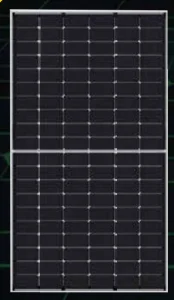
High-yield monocrystalline technologies optimized for high-temperature stability, low degradation, and severe marine environment performance.
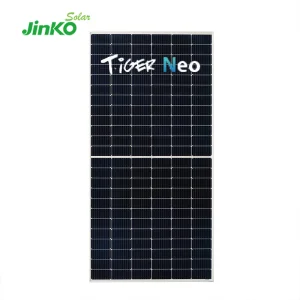
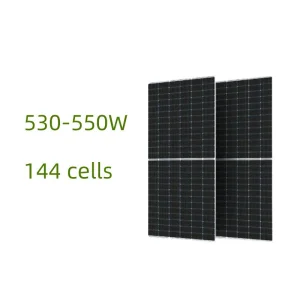
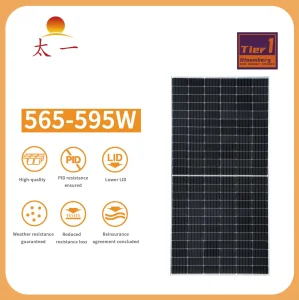
Decarbonization strategy, high retail electricity costs, and localized geographic challenges in SIDS environments.
As a prominent Small Island Developing State (SIDS) located in the Leeward Islands of the Caribbean, Antigua and Barbuda faces a double-edged sword: exceptional solar irradiance levels averaging over 5.5 kWh/m²/day and some of the world's highest retail electricity rates (regularly exceeding $0.35–$0.40 USD per kWh due to dependence on imported diesel fuel). The government of Antigua and Barbuda, under its updated Nationally Determined Contributions (NDCs), has committed to an ambitious target of transitioning to 86% renewable energy generation by 2030, with a focus on both grid-tied utility scale assets and resilient localized microgrids.
However, deployment of solar infrastructure in this region cannot rely on standard global methodologies. System designers must solve for critical local constraints:
High relative humidity combined with trade winds carrying fine sea spray leads to accelerated atmospheric corrosion. Standard panels suffer rapid frame degradation, PID (Potential Induced Degradation), and connector failure within years. Marine-grade double-glass monocrystalline modules with specialized junction box encapsulation are mandatory.
With memories of Hurricane Irma's devastation in Barbuda, solar arrays must withstand wind speeds up to 180 mph (290 km/h). This demands high mechanical load ratings (5400 Pa front, 2400 Pa rear for modules) coupled with advanced racking and concrete ballast anchor designs.
Anhui Ran Solar is uniquely positioned as a premier monocrystalline modules manufacturer serving Antigua and Barbuda, engineering and supplying modules that surpass traditional safety guidelines. Our N-Type TOPCon and High-Efficiency Bifacial modules offer exceptional temperature coefficients (-0.30%/°C), ensuring maximum yield even under intense Caribbean midday heat where traditional panels experience severe voltage drop.
The shift from P-type PERC to N-type TOPCon & HJT: What it means for developers in Antigua and Barbuda.
The global solar market has decisively shifted from P-type PERC to N-type technology. N-type monocrystalline substrates—primarily TOPCon (Tunnel Oxide Passivated Contact) and HJT (Heterojunction Technology)—eliminate LID (Light-Induced Degradation) and significantly minimize LeTID (Light and Elevated Temperature Induced Degradation). For Caribbean developers, this technology shift yields immediate and measurable financial upside:
Our N-type TOPCon modules achieve a bifaciality factor of up to 80-85% (compared to 70% for P-type). On white sand or concrete-ballast commercial roofs commonly found in St. John’s, the albedo effect can deliver up to 25% extra power generation from the rear side.
Due to the inherent stability of N-type silicon, we guarantee a first-year degradation of <1.0% and an annual linear degradation of <0.4% over 30 years. This protects capital investments in high-risk tropical environments.
Furthermore, in remote island microgrids, every square meter of real estate is valuable. Higher module efficiencies (up to 22.8%) enable project developers to maximize power output per acre, reducing balance-of-system (BOS) costs, including racking, cabling, and land clearing.
Pioneering clean energy deployment with smart manufacturing and stringent global standards.
As a leading solar products manufacturer, Anhui Ran Solar Co., Ltd. specializes in the research, development, production, and global sales of high-quality solar PV products. Since our establishment in 2011, Anhui Ran Solar has achieved remarkable milestones, surpassing many competitors in production capacity, innovative designs, and technological advancements. We firmly believe that innovation drives progress, and we continually pursue new technologies and higher efficiencies to empower a sustainable energy future.
Currently, Anhui Ran Solar boasts a global production capacity of 7.5 GW, serving customers across more than 80 countries with premium products and professional services. By the end of 2023, over 15 GW of our solar modules have been deployed worldwide, powering residential, commercial, and utility-scale projects.
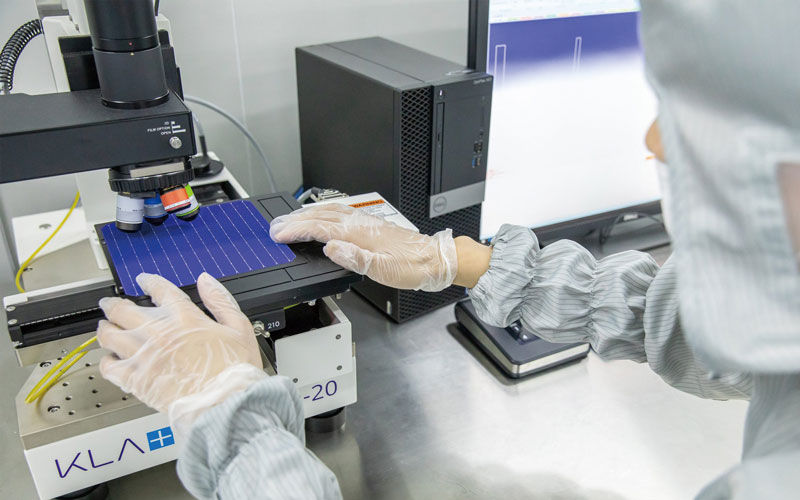
Innovation is at the core of Anhui Ran Solar’s strategy. We provide a full spectrum of advanced renewable energy technologies to meet the unique needs of every customer, whether utilities, commercial enterprises, or industrial clients. Our dedicated R&D team continuously explores next-generation solar solutions, including high-efficiency modules, bifacial technologies, and smart energy solutions.
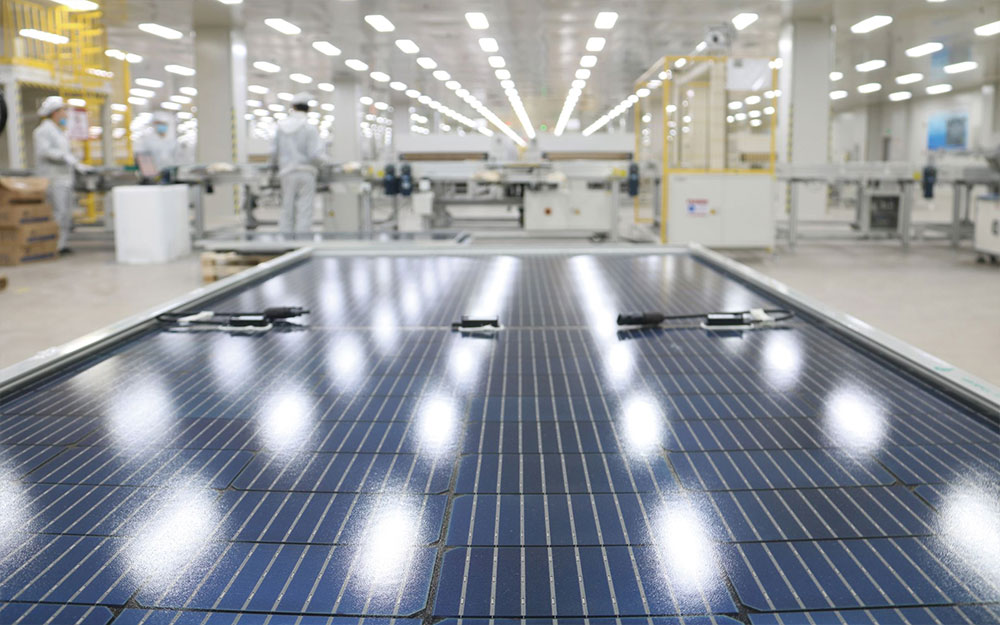
At Anhui Ran Solar, our modularized, fully automated production lines enable rapid delivery, optimized costs, and consistent quality. We have segmented the production process into closely coordinated, automated sectors to maximize efficiency and minimize human error. Over 40 patented technologies have been implemented to optimize production processes, covering every stage from raw material inspection to final packaging.
Stringent quality control is the cornerstone of our operations. Our customers expect—and receive—uncompromising quality and performance, even in the most extreme conditions. Anhui Ran Solar invests continuously in advanced testing equipment and professional employee training to maintain these high standards.
Our products have achieved certifications for Quality Management System (ISO 9001:2015), Environmental Management System (ISO 14001:2015), and Occupational Health and Safety Management System (ISO 45001:2018) from both DNV GL and GZCC, reflecting our commitment to excellence, sustainability, and workplace safety.
Anhui Ran Solar is committed to accelerating the global energy transition. By providing innovative, reliable, and efficient solar solutions, we aim to empower communities, businesses, and governments worldwide to harness the power of the sun for a cleaner, greener future. From utility scale deployments in Europe to decentralized microgrid configurations in Antigua and Barbuda, our engineering expertise ensures flawless grid-integration.
Optimized monocrystalline PV configurations designed for Caribbean infrastructure and natural challenges.
Antigua’s tourism industry relies on uninterrupted, green energy. Our high-power bifacial dual-glass modules integrate seamlessly into off-grid battery storage microgrids, providing clean quiet power that lowers operational costs while meeting eco-certification requirements.
Water scarcity dictates heavy reliance on reverse osmosis desalination plants. Pairing these high-load electrical assets directly with dedicated monocrystalline PV arrays yields massive utility savings. TOPCon panels offset the load during peak sunshine hours when water production is highest.
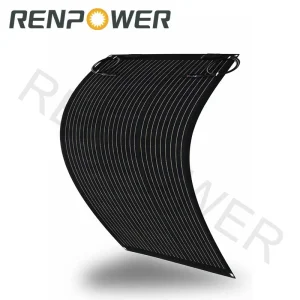
With Antigua serving as a global yachting hub, port facilities require flexible, high-durability modules. Our customized 200W flexible monocrystalline modules conform to uneven surfaces on marine vessels and coastal port structures, offering salt-waterproof resilience.
Dual-land use for food security and clean energy. High-clearance racking utilizing bifacial dual-glass modules allows crops to grow underneath while shielding them from direct midday sun scorch, reducing evapotranspiration and generating clean electricity simultaneously.
Navigating import processes, CARICOM certifications, and post-installation support in the Leeward Islands.
Importing equipment to the Caribbean can present logistical hurdles. Anhui Ran Solar provides complete end-to-end support for developers in Antigua and Barbuda, ensuring all shipments comply with both local regulations and international standards. Our products align directly with CARICOM Regional Organisation for Standards and Quality (CROSQ) directives and global benchmarks:
Technical clarity and local support details for solar installers, contractors, and developers in Antigua & Barbuda.
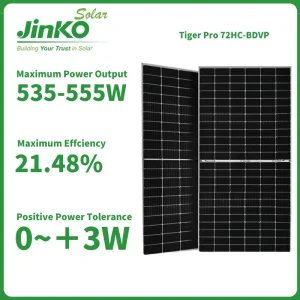
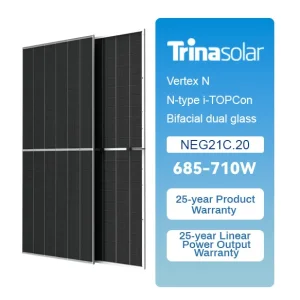
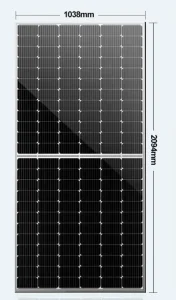
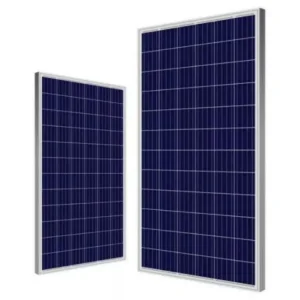
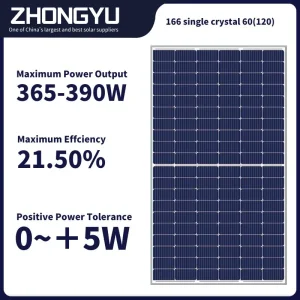
Select from our globally certified product lines designed to fit residential, commercial, utility, and mobile application requirements.
 Ran Solar