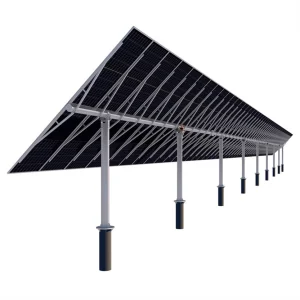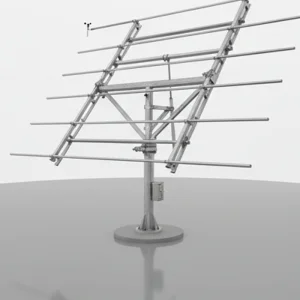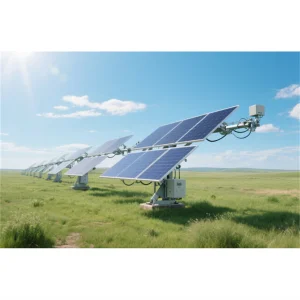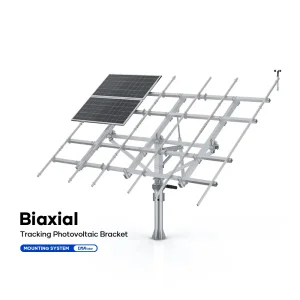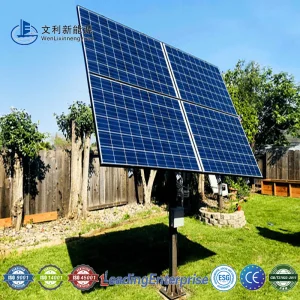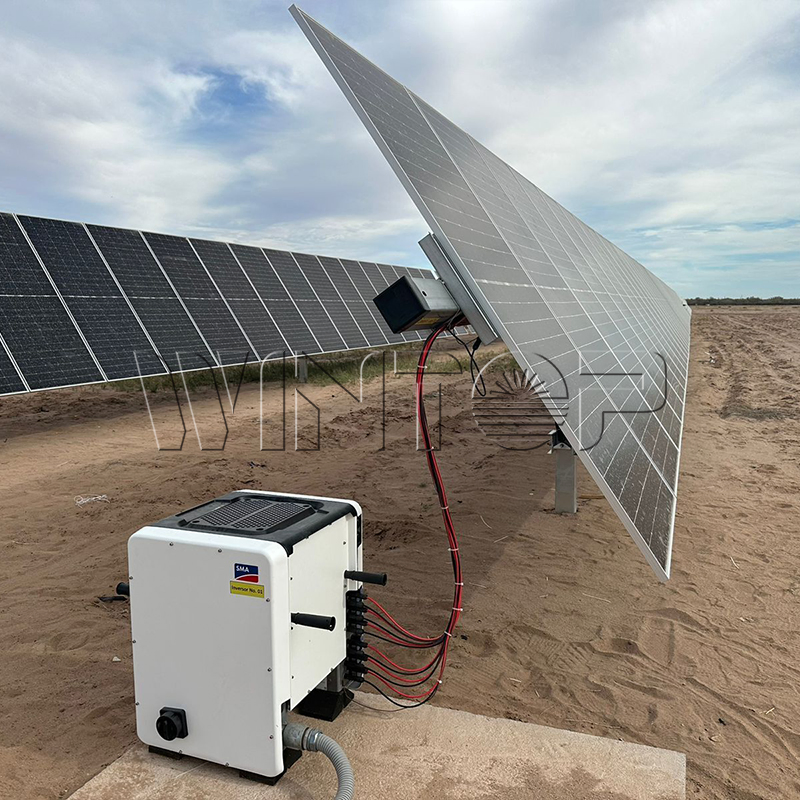
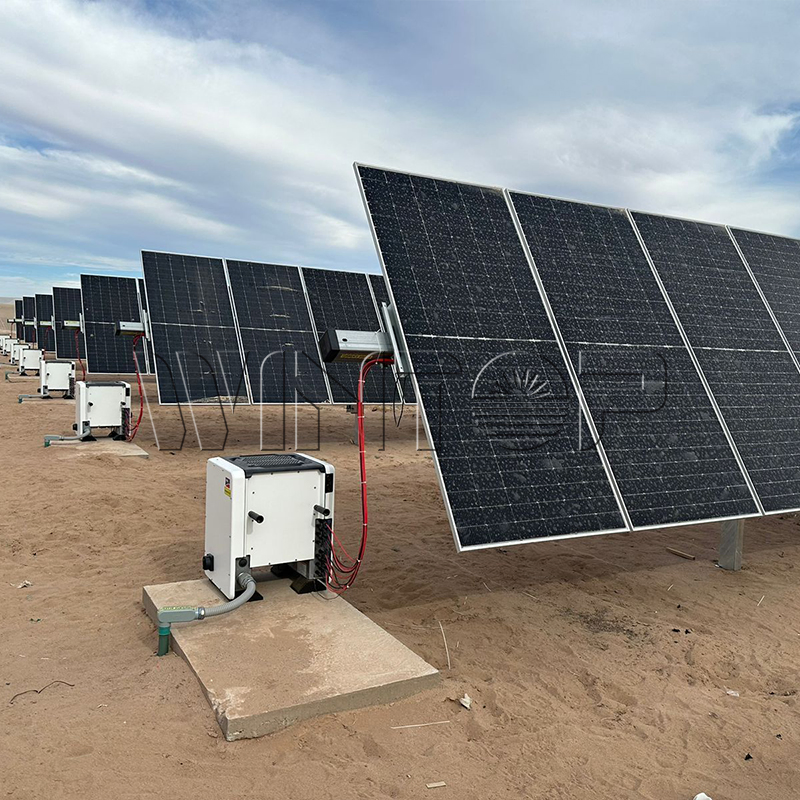
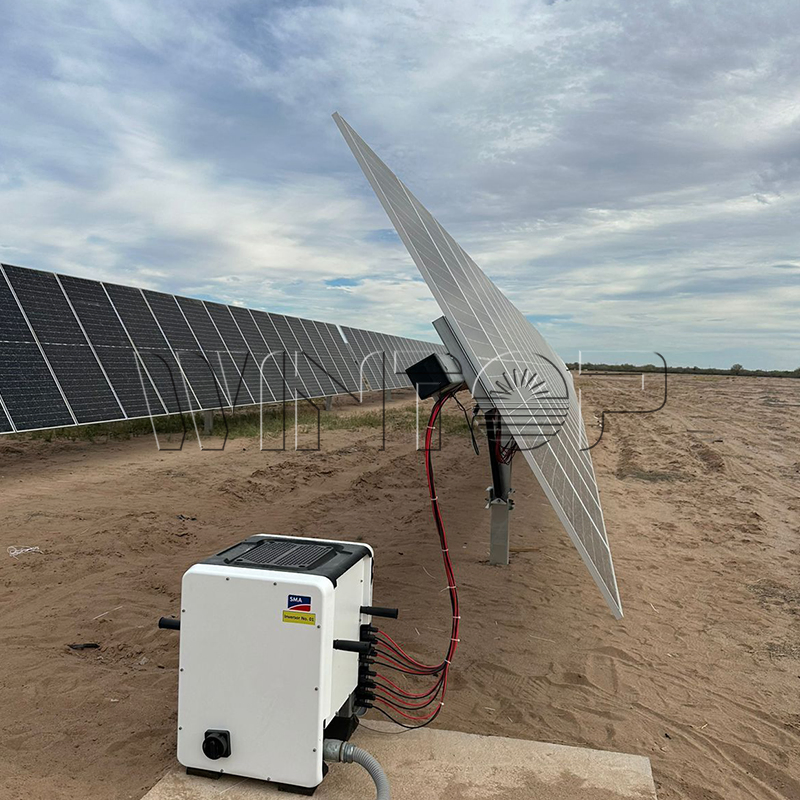
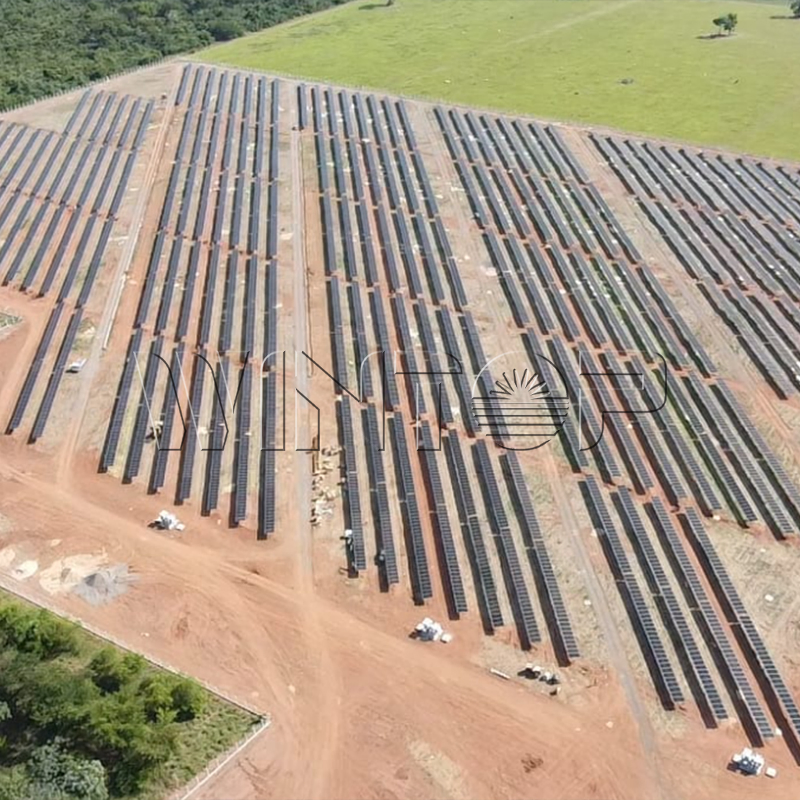
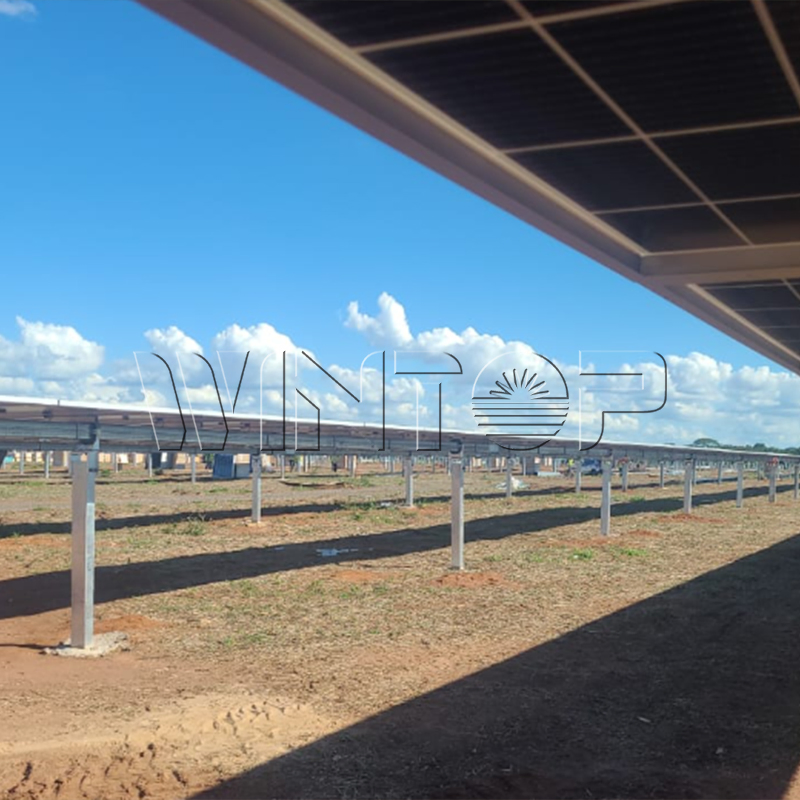
Installation of Dual Axis Single Axis Solar Bracket Solar Ground Tracking System

Still deciding? Get samples of $ !
Order Sample

Product Description

Basic Info
Model NO.
WTT-2P
Certification
ISO, CE
Application
Commercial
Material
Aluminum Alloy
Type
Ground Bracket
Install Site
Open Terrain
Module Orientation
Landscape, Portrait
Anti-Corrosive
Anodized
Max Wind Speed
60m/S
Max Snow Load
1.6kN/M²
Duration
More Than 20 Years
Production Capacity
1gw/Years
Product Description

Single Axis Solar Tracker with Slew Drive

The solar tracking system is designed to optimize sunlight utilization during the process of solar thermal and photovoltaic power generation, significantly improving photoelectric conversion efficiency. This multi-drive double portrait horizontal single-axis solar tracker adopts a multi-actuator drive mode, ensuring a stable and reliable system that is quick and easy to install, making it ideal for various large-scale solar power stations.

Product Parameters
PV-Modules
PV- Modules supportedFully fit for 210 module
Structure
System typeOne portrait horizontal single-axis tracker
Maximum capacity per row72kWp (Estimated with 600W PV-Modules)
Tracking Range±60° (Customized according to project)
Tracking accuracy±1°
Structural MaterialsHDG Steel, Al-Mg-Zn Coating Steel
FoundationConcrete foundation, Steel pile, PHC pile
Electrical & Control
Solar tracking methodAstronomical algorithm + closed-loop control (AI)
Drive methodSlew Drive
Motor Type24V DC Motor
BacktrackingYes
Protection
Wind protection≥18m/s
Night stow modeYes
System fault self-diagnosisYes
Environment
Operating temperature-30°C ~ +60°C
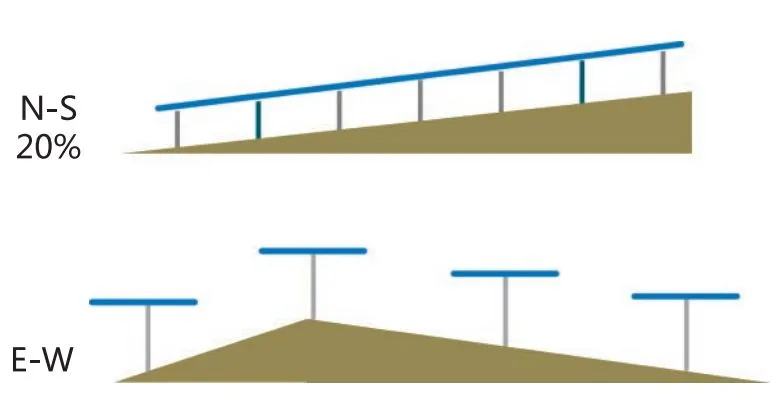
Slope toleranceNorth-south 10%~20%, East-west no limits
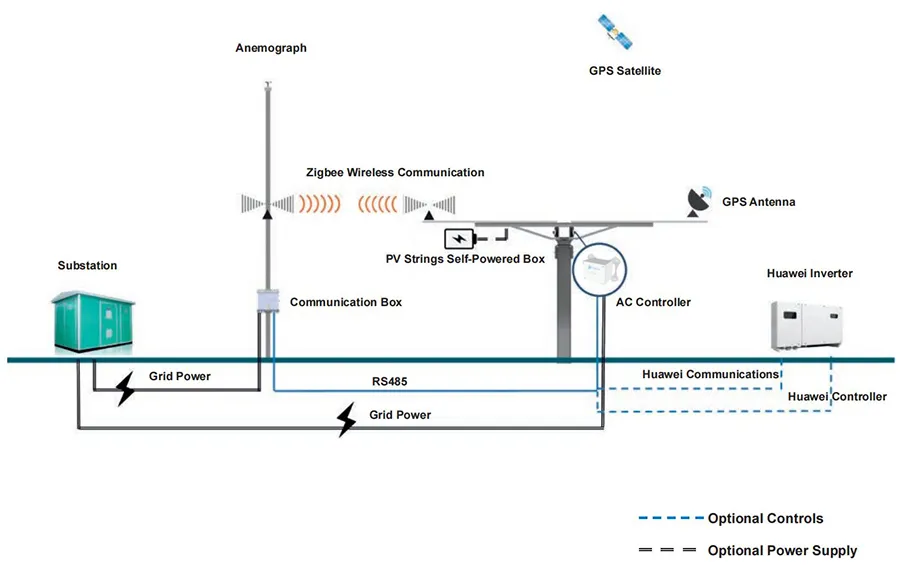
Electrical Principle
Features & Benefits
  • Fully fit for 210 solar modules
  • Intelligent AI algorithm to maximize power generation
  • Adaption to various terrains allowing a north-south slope up to 10% to 20%
  • Easy installation and low maintenance requirements
  • Stable and reliable operation under harsh conditions
  • Power generation increase of 15-30% compared to fixed systems
Main Structure Components
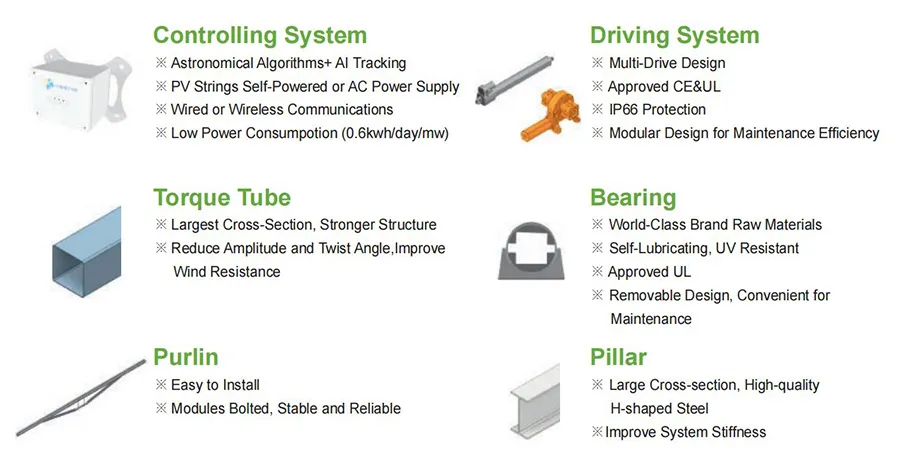
Structure Components
CPP Wind Tunnel Test

We have partnered with CPP to study resonance, flutter, gallop, and torsional divergence caused by aerodynamics. This analysis ensures the stability and safety of the tracker system during operation.
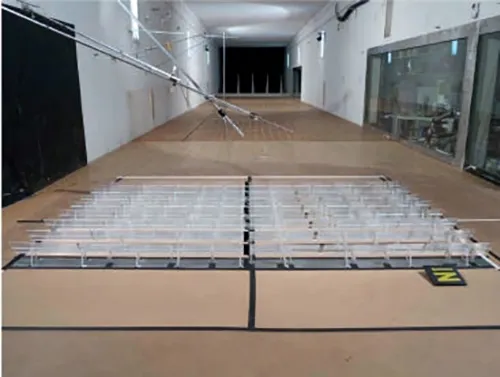
Wind Tunnel Test
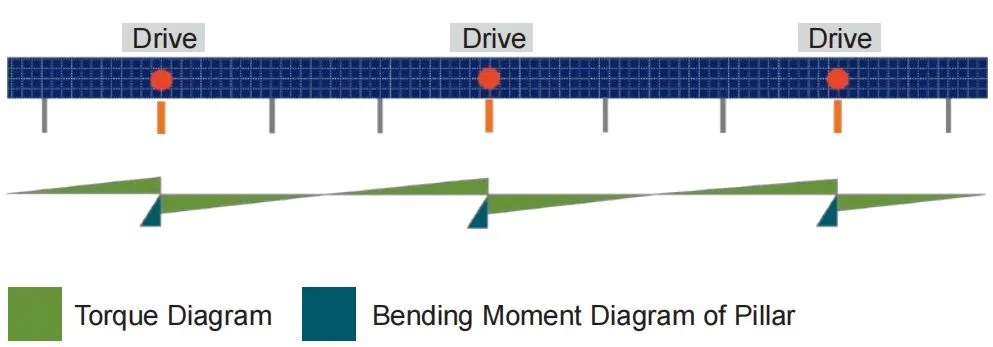
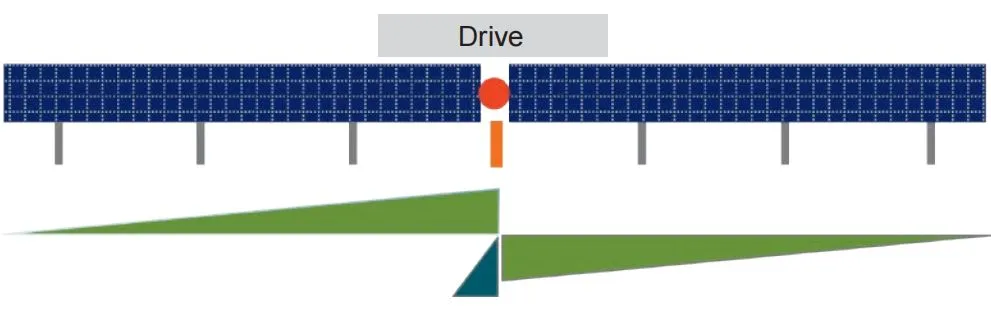
Multi-drive System Advantages
  • System Damping Ratio is significantly greater
  • Reduces Amplitude on Modules by 50%
  • Reduces the Force on Torque Tube and Driving Pillar by 50%
  • Reduces Torsion Angle on Torque Tube by 50%
  • Optimized Wind Resistance System
Traditional System
Multi-drive System
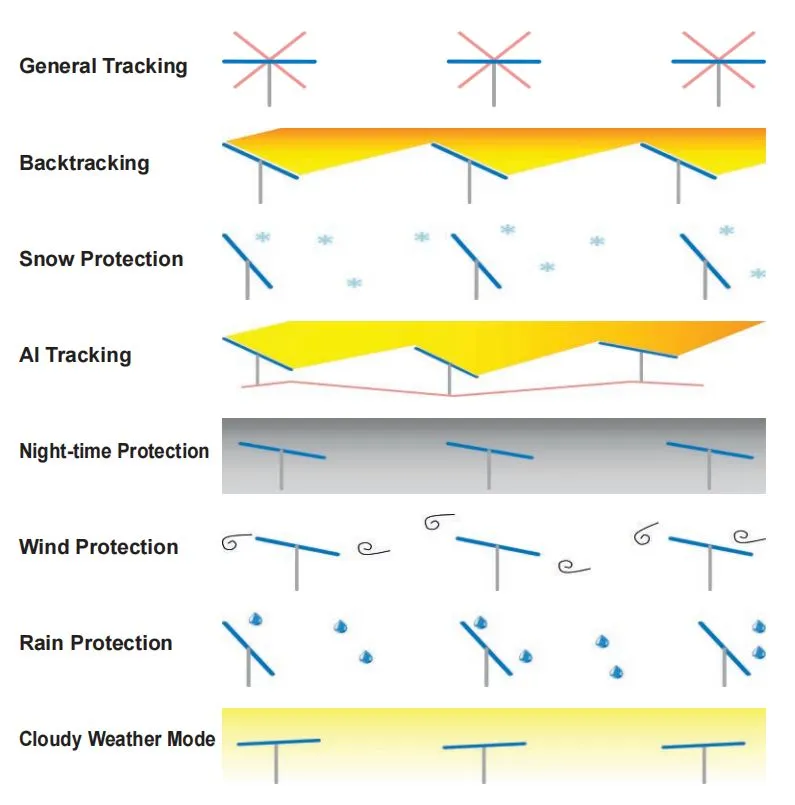
Operating Mode & Terrain Adaptation
Operating Mode
Terrain Adaptation
Land Utilization
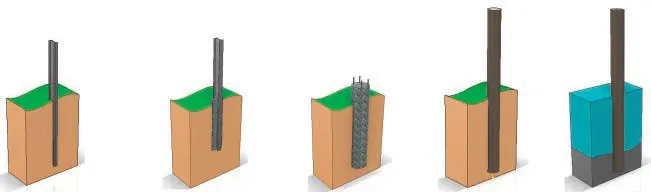
Foundation Options
Type Steel Piles Concrete + Steel Poured Concrete PHC Piles
Application Soft Ground Soft Ground Gravel Ground Agriculture / Fishery
Method Direct Ramming Ramming + Concrete Anchor Bolt Pile-Top Welding
Foundation Types
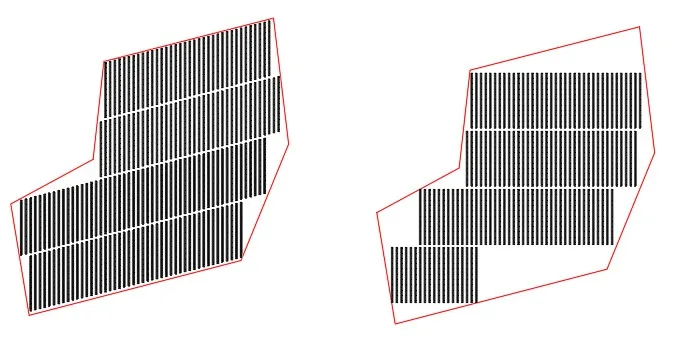
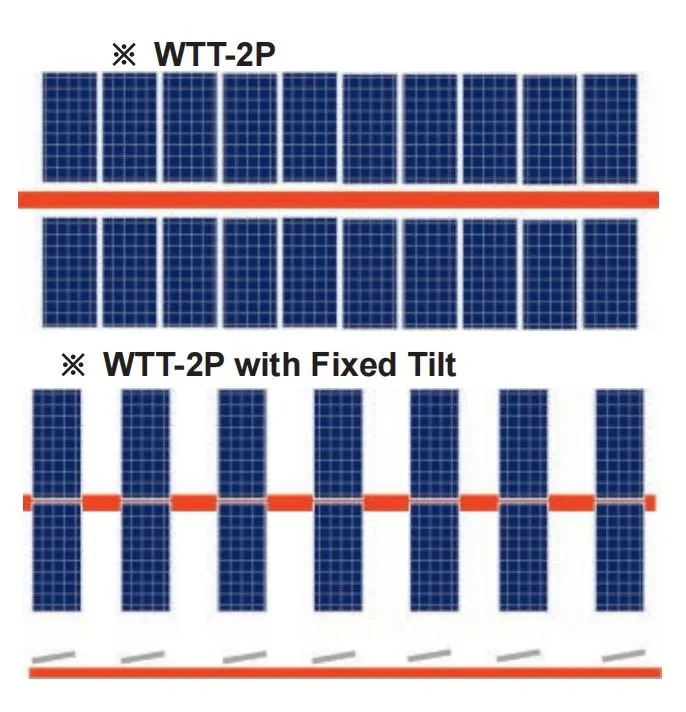
Module Array Proposals
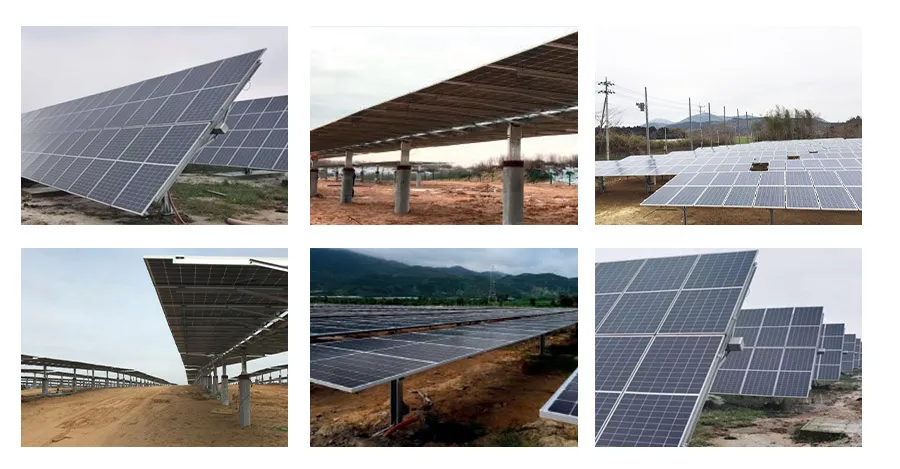
Project Showcase
Project Project
Solar Farm
Frequently Asked Questions
1. What are the main advantages of a single-axis solar tracker? A single-axis tracker can increase power generation by 15-30% compared to fixed-tilt systems by following the sun's path throughout the day.
2. Is the system compatible with the latest high-power solar modules? Yes, the system is fully optimized and fit for 210mm large-format solar modules.
3. How does the tracker handle extreme wind conditions? The system features a wind protection mode (triggered at speeds ≥18m/s) and has been rigorously tested by CPP wind engineering to withstand maximum wind speeds up to 60m/s.
4. Can this tracking system be installed on sloped terrain? Yes, it is highly adaptable, supporting a North-South slope of 10% to 20%, with no limits on East-West slope.
5. What kind of foundation is required for installation? The system is versatile and supports various foundation types, including direct ramming steel piles, concrete foundations, poured concrete piles, and PHC piles for agriculture or fishery projects.
6. What is the expected lifespan and maintenance level? The system is designed with a service life of more than 20 years. It uses durable materials like HDG steel and anodized aluminum, requiring very low maintenance due to its intelligent self-diagnosis features.

Related Products