Modern commercial and industrial (C&I) organizations are experiencing an unprecedented paradigm shift. Deploying solar energy is no longer merely a commitment to corporate social responsibility (CSR) or Environmental, Social, and Governance (ESG) mandates—it is a critical, long-term strategic decision to reduce the levelized cost of energy (LCOE), stabilize operational expenditures, and secure energy independence amid volatile global fossil fuel and grid pricing markets.
As a leading solar products manufacturer, Anhui Ran Solar Co., Ltd. specializes in the research, development, production, and global sales of high-quality solar PV products. Since our establishment in 2011, Anhui Ran Solar has achieved remarkable milestones, surpassing many competitors in production capacity, innovative designs, and technological advancements. We firmly believe that innovation drives progress, and we continually pursue new technologies and higher efficiencies to empower a sustainable energy future.
Developing utility-scale and large-scale C&I projects demands engineering precision across all system nodes—from ultra-high performance modules (such as N-type i-TOPCon and HJT cells) to intelligent Balance of Systems (BoS) including smart DC/AC combiner boxes, advanced MPPT charge controllers, micro and utility-grade string inverters, and heavy-duty structural mountings. This comprehensive whitepaper serves as an industry roadmap for EPC contractors, commercial developers, and procurement agents looking to source Tier-1 Chinese solar applications engineered to withstand extreme environment challenges while delivering unmatched decades-long return on investment (ROI).
Currently, Anhui Ran Solar boasts a global production capacity of 7.5 GW, serving customers across more than 80 countries with premium products and professional services. By the end of 2023, over 15 GW of our solar modules have been deployed worldwide, powering residential, commercial, and utility-scale projects.
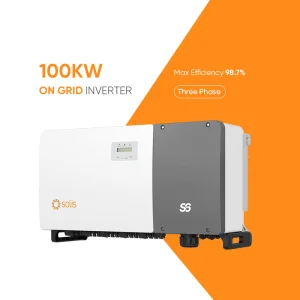
Through robust localized support, engineering flexibility, and a vertically integrated production chain, we manage component quality at every single touchpoint. Our product ecosystem includes state-of-the-art N-type TOPCon panels, off-grid and on-grid three-phase string inverters, multi-mpp microinverters, safety combiner boxes, and mechanical mounting racks designed for complex environments like salt mist coastal fields, high-wind zones, and snow-heavy regions.
Industrial solar deployment is characterized by high capital expenditures and 25-to-30-year operational lifetimes. Sourcing teams faces complex operational, technical, and regulatory challenges.
Procurement departments in North America and Western Europe require non-negotiable compliance with labor and environmental regulations. Full silicon-to-module origin transparency is mandatory to pass strict import and ESG compliance audits.
Components must withstand extreme environments—from desert heat triggering thermal degradation to high-humidity coastal zones accelerating Potential Induced Degradation (PID). Our products feature robust multi-busbar designs and anti-PID materials to guarantee low annual degradation rate.
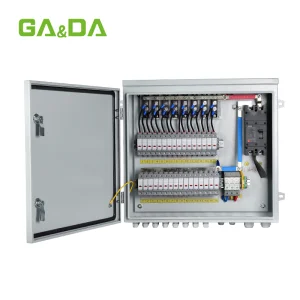
C&I rooftops present serious fire hazards due to high-voltage DC arcs. Procurement teams mandate the integration of rapid shutdown devices, highly reliable DC combiner boxes (like our 1000V IP65 16-input DC string box), and advanced MPPT arc fault circuit protection.
Tailored photovoltaic integration across different sectors maximizes spatial potential and optimizes energy output.
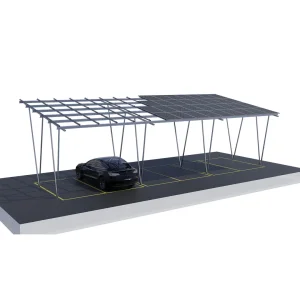
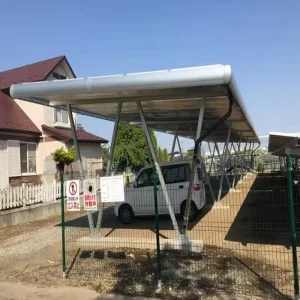
Converting open-air parking lots into energy generation stations. Utilizing our structural engineering designs like the Ground Mount Solar Car Parking PV Mounting System and Aluminium Carport Solar Mounting Racks, businesses can shield their fleets while generating local power for EV charging and facility loads.
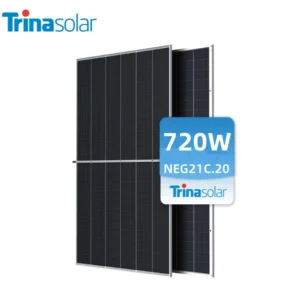
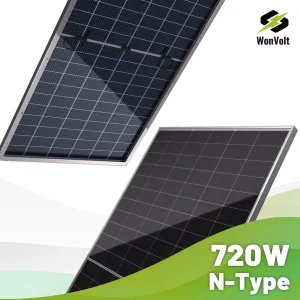
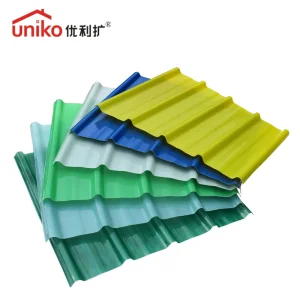
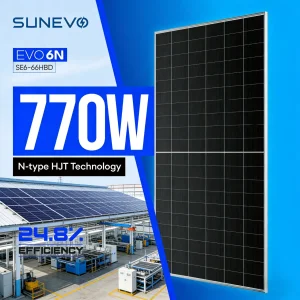
Large-scale flat and corrugated industrial roofs require lightweight yet structurally sound configurations. Combining N-type TOPCon monocrystalline modules (like the high performance 710W Trina or Wonvolt 670W-710W series) with smart IP65-protected string inverters and corrugated FRP GRP translucent roofing sheets ensures optimized roof loads and max yields.
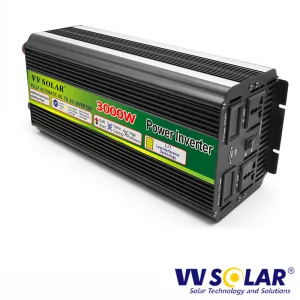
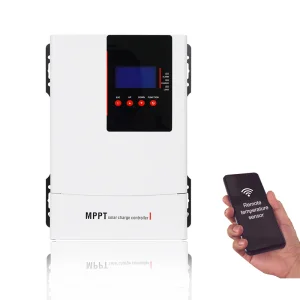
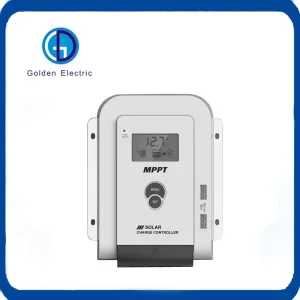
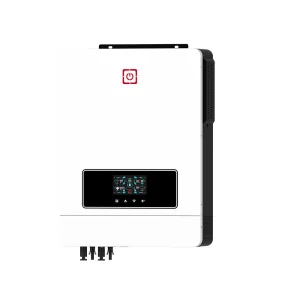
For mining operations, agricultural farms, and isolated communities where the grid is unreliable or absent. We design isolated micro-grid networks using high-frequency off-grid string inverters (such as 5kW units) paired with industrial 24V-96V MPPT charge controllers (30A to 100A configurations) to secure uninterrupted operation.
At Anhui Ran Solar, technological innovation is embedded in our corporate core. Our engineering teams work continuously to push the practical boundaries of conversion efficiencies and assembly speeds.
Innovation is at the core of Anhui Ran Solar’s strategy. We provide a full spectrum of advanced renewable energy technologies to meet the unique needs of every customer, whether utilities, commercial enterprises, or industrial clients. Our dedicated R&D team continuously explores next-generation solar solutions, including high-efficiency modules, bifacial technologies, and smart energy solutions.
We invest heavily in state-of-the-art laboratory equipment and recruit top-tier engineering talent, ensuring that our products remain at the cutting edge of the renewable energy industry. This relentless pursuit of technological innovation enables our customers to achieve higher performance, reduced costs, and superior reliability in their solar installations.
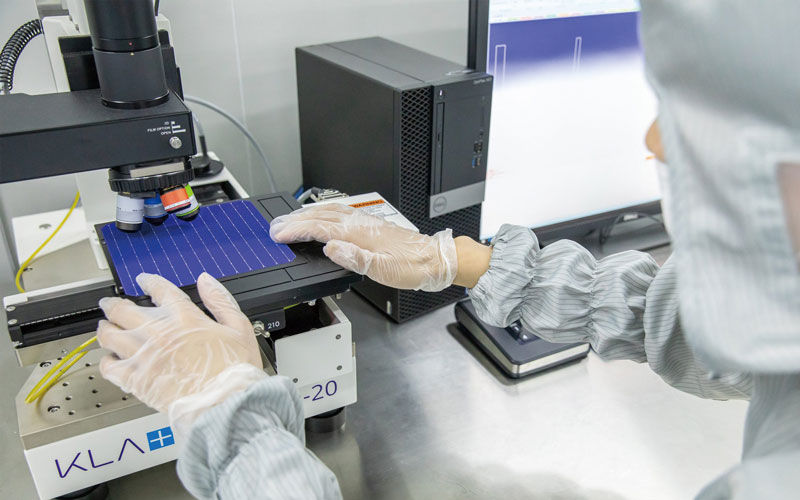
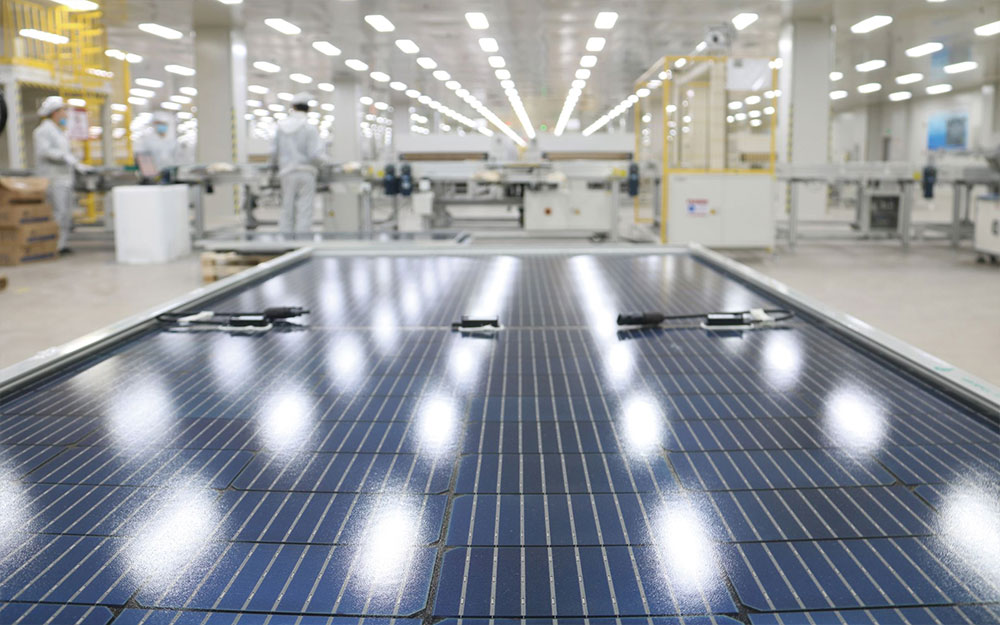
At Anhui Ran Solar, our modularized, fully automated production lines enable rapid delivery, optimized costs, and consistent quality. We have segmented the production process into closely coordinated, automated sectors to maximize efficiency and minimize human error.
Over 40 patented technologies have been implemented to optimize production processes, covering every stage from raw material inspection to final packaging. Each step is monitored and recorded in real time, ensuring traceability, precision, and reliability across our manufacturing operations.
| Technology Layer | Technical Parameters | System-level Benefits |
|---|---|---|
| N-type i-TOPCon Cell Technology | Efficiencies up to 22.5%+; zero LID/LeTID degradation. | Provides higher power output in restricted roof areas (710W capacity). |
| Bifacial Dual-Glass Construction | Up to 80% bifaciality factor; 30-year warranty. | Generates up to 25% extra energy from ground albedo reflection. |
| Smart Automation Systems | Fully computerized visual EL sorting and soldering control. | Eliminates micro-cracks and hot spots during production. |
| BOS Safety Integration | 16-string DC combiner box with IP65 weather rating, DC fuses. | Enables safe PV installations complying with industrial building safety codes. |
Stringent quality control is the cornerstone of our operations. Our customers expect—and receive—uncompromising quality and performance, even in the most extreme conditions.
Anhui Ran Solar invests continuously in advanced testing equipment and professional employee training to maintain these high standards. Our products have achieved certifications for Quality Management System (ISO 9001:2015), Environmental Management System (ISO 14001:2015), and Occupational Health and Safety Management System (ISO 45001:2018) from both DNV GL and GZCC, reflecting our commitment to excellence, sustainability, and workplace safety.
From the visual Inspection of raw wafer slicing to triple Electro-Luminescence (EL) tests before final packaging, we ensure that every panel shipped is free of structural micro-defects, potential solder path voids, or resistive loss spots.
We align our long-term product development with next-generation grid compliance and mechanical smart integration.
As TOPCon technologies mature, our R&D is targeted at HJT cell structures and perovskite tandem layer applications. We are currently building test lines targeting conversion efficiencies in excess of 25.5%, lowering temperature coefficients to -0.26%/°C.
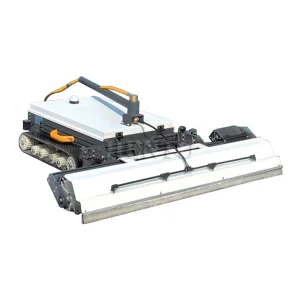
Maintenance is one of the single biggest OPEX components. Our roadmap integrates automated system maintenance solutions, featuring low-cost high-efficiency cleaning machines and robotic modules. The Low Price Solar Panel Cleaning Robot line ensures dust, sand, and droppings are removed regularly to recover up to 15% of soil-induced power losses.
Our upcoming generation of balance-of-system components will feature active communication chips enabling primary frequency response, real-time power clipping, and reactive power compensation to adapt directly to strict utility grid codes globally.
Navigating different regional rules and regulations is crucial to ensure trouble-free interconnection and long term asset protection.
With the Renewable Energy Directive (RED III) and localized carbon taxation, European commercial developers prioritize long-term durability and grid integration. Sourcing modules certified with low carbon footprints and meeting CE, TÜV Rheinland, and local standards is paramount.
The US Inflation Reduction Act (IRA) and Canada's clean energy incentives have driven tremendous growth. Systems must adhere to strict fire prevention measures, including NEC 2020/2023 compliance requiring rapid shutdown, UL 1741 SB certification for inverters, and structural engineering to withstand severe snow and seismic loads.
High solar irradiance coupled with expensive grid tariffs makes C&I projects highly lucrative. Components must be selected to combat specific regional environments, including the anti-sandstorms of the Middle East, high UV index of Latin America, and high-salinity marine environments of island grids in APAC.
Anhui Ran Solar is committed to accelerating the global energy transition. By providing innovative, reliable, and efficient solar solutions, we aim to empower communities, businesses, and governments worldwide to harness the power of the sun for a cleaner, greener future.
To back this global vision, we provide engineering compliance validation including CAD drawings for carport foundations, wind tunnel reports for roof mounting racks, and regional grid certification documents for our 3-phase string and microinverters, guaranteeing successful local interconnect approvals.
Our engineering division answers the most frequent design, safety, and supply inquiries from C&I procurement officers.
N-type i-TOPCon cells (such as our 710W Trina and Wonvolt modules) use phosphorus-doped silicon wafers which are fundamentally immune to Light Induced Degradation (LID). They exhibit a significantly lower temperature coefficient (-0.30%/°C compared to PERC's -0.35%/°C), enabling higher output in hot climates. Furthermore, N-type modules have a higher bifaciality factor (80%+ vs. PERC's 70%), bringing higher yield over their 30-year lifetime.
Our Solar String Box 16 Input 1 Output 1000V DC Combiner simplifies cable management significantly. In massive C&I projects, routing individual strings back to central string inverters requires immense quantities of copper wire and increases the risk of line drops. By combining 16 individual strings into 1 single high-amp output directly on the roof, you save up to 40% in cable cost and installation labor while incorporating high-grade 1000V DC surge protection (SPD) and fusing at a centralized point.
Our Aluminum Carport Solar Mounting Rack Brackets use AL6005-T5 anodized alloy. While steel is cheaper at raw cost, aluminum is highly corrosion-resistant, lightweight, and requires no periodic paint touch-ups. Siting solar carports in commercial retail parking lots demands visual aesthetics and structural safety; anodized aluminum does not rust, reduces loading weight on structural footings, and significantly decreases field installation labor times.
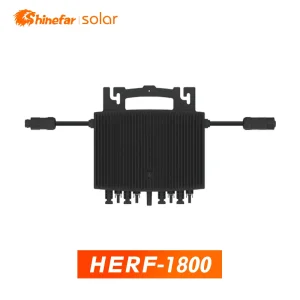
Microinverters track the Maximum Power Point (MPPT) of individual panels (our 1800W unit supports up to 4 individual MPPT inputs). If a section of a commercial roof gets shaded by HVAC units, parapet walls, or antennas, a traditional string inverter setup drops the power of the entire string. A microinverter setup confines the power drop only to the shaded panels, recovering up to 20% in system energy loss. Additionally, they operate under low-voltage AC, eliminating the danger of high-voltage DC fires.
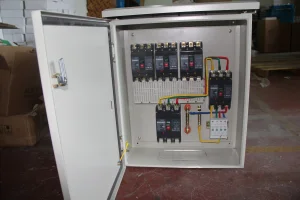
DC combiner boxes merge the DC inputs from panels before going to the inverter, while AC combiner boxes consolidate the AC outputs from multiple string inverters or microinverters before connecting to the main distribution panel. Our IP65 Waterproof Outdoor AC Combiner Box contains individual circuit breakers, surge protection devices, and isolation switches to safely combine AC currents and protect the central electrical gear from reverse currents.
 Ran Solar