High-efficiency modules, BIPV integrations, and intelligent power electronics engineering for utility-scale solar farms.
As a leading solar products manufacturer, Anhui Ran Solar Co., Ltd. specializes in the research, development, production, and global sales of high-quality solar PV products. Since our establishment in 2011, Anhui Ran Solar has achieved remarkable milestones, surpassing many competitors in production capacity, innovative designs, and technological advancements. We firmly believe that innovation drives progress, and we continually pursue new technologies and higher efficiencies to empower a sustainable energy future.
By aligning manufacturing excellence with vertical asset optimization, we support Engineering, Procurement, and Construction (EPC) firms, utility giants, and project developers globally. Our products are designed to survive the harshest environments while delivering maximum Levelized Cost of Energy (LCOE) optimization.
Currently, Anhui Ran Solar boasts a global production capacity of 7.5 GW, serving customers across more than 80 countries with premium products and professional services. By the end of 2023, over 15 GW of our solar modules have been deployed worldwide, powering residential, commercial, and utility-scale projects.
A deep dive into regulatory shifts, market drivers, and structural demands shaping modern PV solar farm developments.
The global transition toward clean power generation is accelerating. According to leading renewable energy authorities, solar PV capacity additions are set to outpace all other technologies combined. Utility-scale solar farm developments represent the backbone of this transition. In regions like the European Union, the implementation of RED III (Renewable Energy Directive) mandates that member states target at least 42.5% renewable energy by 2030, driving huge demand for advanced double-glass bifacial technologies.
Concurrently, in North America, the Inflation Reduction Act (IRA) has fundamentally restructured project finance. Developers are prioritizing high-durability tracking systems and microinverters that offer longer lifespans, modular expansion capacities, and superior reliability. This regulatory dynamic has shifted focus from short-term CAPEX (capital expenditure) reduction to long-term OPEX (operational expenditure) protection.
In the Asia-Pacific region and the Middle East, massive scale remains the primary driver. In these arid and high-irradiance zones, developers face extreme ambient conditions. Ambient heat degrades cell efficiency (Power Temperature Coefficient), while dust and sand accumulation (soiling) can degrade daily yields by up to 30%.
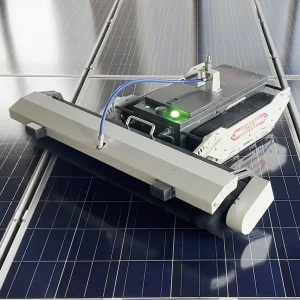
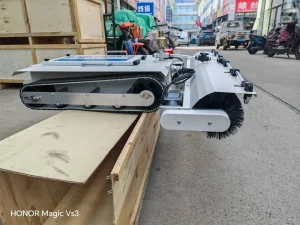
To combat this, next-generation solar farms are integrating autonomous robotic cleaning mechanisms and utilizing high-efficiency bifacial solar modules. These panels capture both direct sunlight and ground-reflected albedo light, turning marginal lands into highly productive energy assets.
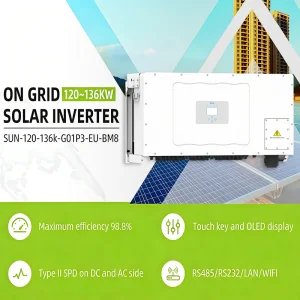
Modern grid codes require developers to manage voltage fluctuation. Intelligent MPPT racking and smart three-phase string inverters ensure high grid compliance and grid stability control.
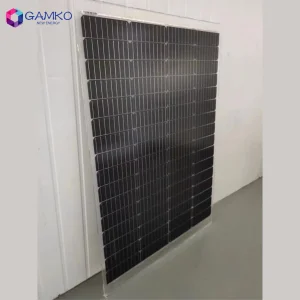
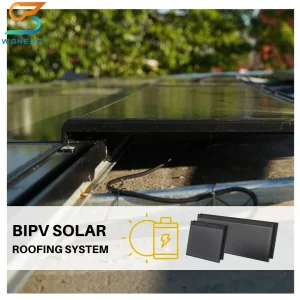
With land acquisition costs rising, dual-use models like agrivoltaics and BIPV (Building Integrated PV) maximize energy output per square meter without altering natural landscapes.
Financial institutions demand certified materials. Anhui Ran Solar products undergo rigorous DNV GL testing to ensure structural compliance and lower capital costs.
Engineered precision, automated assembly, and strict ISO-compliant quality control systems.
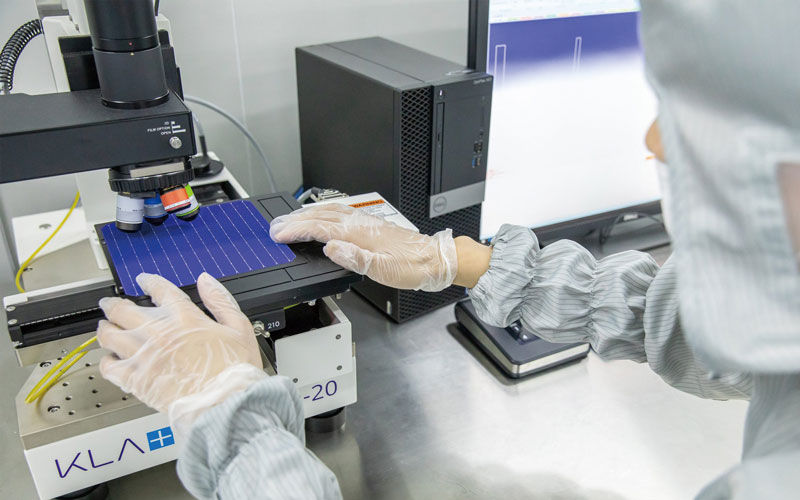
Innovation is at the core of Anhui Ran Solar’s strategy. We provide a full spectrum of advanced renewable energy technologies to meet the unique needs of every customer, whether utilities, commercial enterprises, or industrial clients. Our dedicated R&D team continuously explores next-generation solar solutions, including high-efficiency modules, bifacial technologies, and smart energy solutions.
We invest heavily in state-of-the-art laboratory equipment and recruit top-tier engineering talent, ensuring that our products remain at the cutting edge of the renewable energy industry. This relentless pursuit of technological innovation enables our customers to achieve higher performance, reduced costs, and superior reliability in their solar installations.
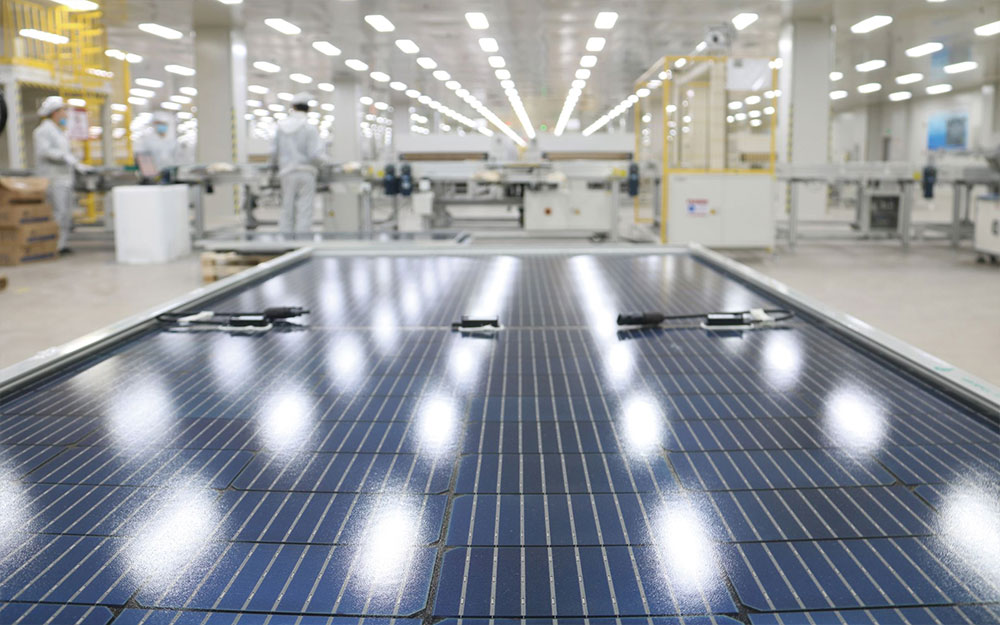
At Anhui Ran Solar, our modularized, fully automated production lines enable rapid delivery, optimized costs, and consistent quality. We have segmented the production process into closely coordinated, automated sectors to maximize efficiency and minimize human error.
Over 40 patented technologies have been implemented to optimize production processes, covering every stage from raw material inspection to final packaging. Each step is monitored and recorded in real time, ensuring traceability, precision, and reliability across our manufacturing operations.
Stringent quality control is the cornerstone of our operations. Our customers expect—and receive—uncompromising quality and performance, even in the most extreme conditions.
Anhui Ran Solar invests continuously in advanced testing equipment and professional employee training to maintain these high standards. Our products have achieved certifications for Quality Management System (ISO 9001:2015), Environmental Management System (ISO 14001:2015), and Occupational Health and Safety Management System (ISO 45001:2018) from both DNV GL and GZCC, reflecting our commitment to excellence, sustainability, and workplace safety.
Customizing physical and electrical PV configurations for specific geographic challenges.
Deploying intelligent, automated cleaning robots alongside high-efficiency bifacial dual-glass modules. This maximizes back-side albedo energy collection and eliminates manual wash maintenance costs.
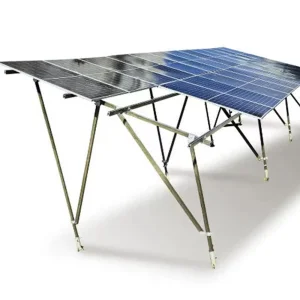
Utilizing high-performance carbon fiber solar mounting structures. Carbon fiber offers complete corrosion resistance, avoiding the rust issues common to hot-dip galvanized steel systems in salt-heavy environments.
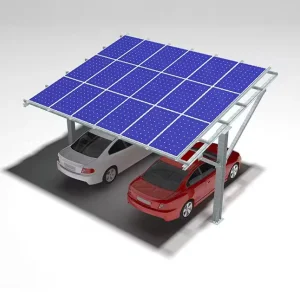
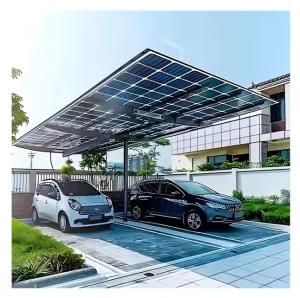
Integrating dual-glass photovoltaic roofing tiles (BIPV) and structural solar carports. These solutions provide durable weatherproofing while generating clean power directly at the point of consumption.
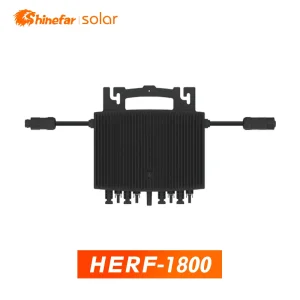
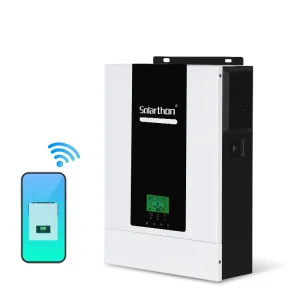
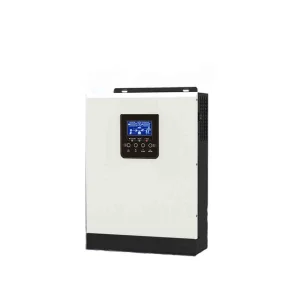
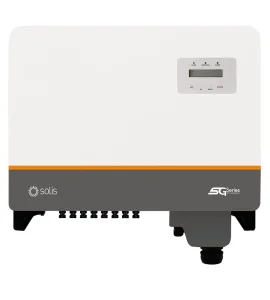
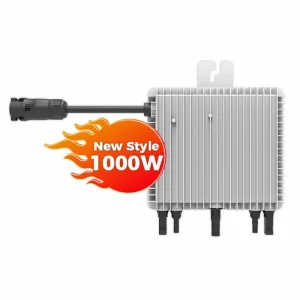
Utilizing Deye multi-MPPT high-capacity string and micro-inverters. These components optimize decentralized solar plants, keeping grid exports stable through zero-export limits.
Our structured vision for transitioning global energy markets to next-generation photovoltaic architectures.
Transitioning primary panel configurations to n-type Tunnel Oxide Passivated Contact (TOPCon) and Heterojunction (HJT) cells. This increases average cell conversion efficiency beyond 26% and improves performance in low-light environments.
Integrating dual-junction perovskite cell technology to overcome the theoretical efficiency limits of single-junction silicon panels. This targets stable module efficiencies of over 30% for commercial deployments.
Embedding AI-driven maximum power point tracking (MPPT) sensors and automated energy storage dispatch systems directly into our solar equipment. This enables utility-scale solar farms to function as reliable baseload power plants.
Anhui Ran Solar is committed to accelerating the global energy transition. By providing innovative, reliable, and efficient solar solutions, we aim to empower communities, businesses, and governments worldwide to harness the power of the sun for a cleaner, greener future.
We recognize that true environmental stewardship goes beyond clean power generation. It requires manufacturing clean energy products in a responsible manner. Our facilities operate under strict ISO 14001 environmental guidelines to minimize waste, preserve natural resources, and lower the carbon footprint of every megawatt-hour we produce.
Answering key developer and EPC questions about system integration, yield optimization, and structural engineering.
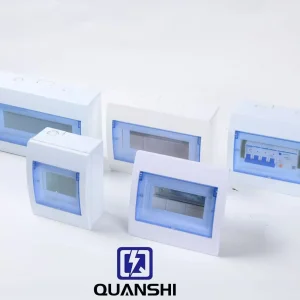
Robust structural mounting, tracking components, and power management equipment for turn-key solar farms.
 Ran Solar