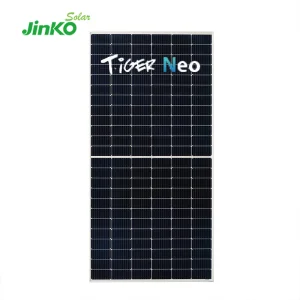
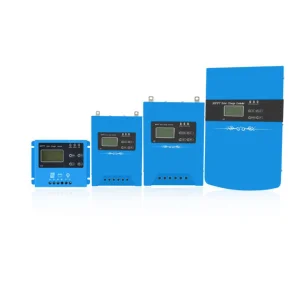
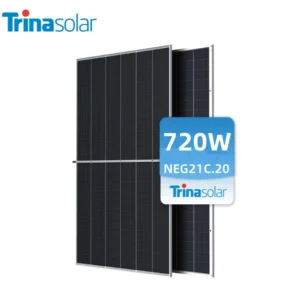
Discover our cutting-edge BIPV modules, microinverters, tracking structures, and optimization controls designed for architectural aesthetics and peak electrical performance.

Building Integrated Photovoltaics (BIPV) is transitioning from a niche sustainable design practice to a foundational building code standard globally. Modern architects and structural engineers no longer view solar technology as a secondary addon; instead, they integrate active power generation natively into the building envelope. By utilizing solar cells that double as structural materials—such as facades, curtain walls, skylights, and roof tiles—BIPV addresses two primary goals simultaneously: structural integrity and localized carbon reduction.
The European Union's Energy Performance of Buildings Directive (EPBD) mandates that all new buildings must be Nearly Zero-Energy Buildings (NZEB). This regulatory pressure makes BIPV integration indispensable to maximize surface area utilization on vertical facades.
Gone are the days of rigid, dark blue solar panels disrupting architectural intent. Modern BIPV utilizes customizable colors, glazes, textures, and variable light transmission levels, mimicking premium slate, ceramic cladding, or high-performance glazing.
Urban planning is pivoting toward decentralized microgrids. A BIPV building functions as a localized power plant, producing energy where it is consumed, reducing grid losses, and utilizing battery storage or local microinverters for optimal grid tie-in.
For Engineering, Procurement, and Construction (EPC) companies, architects, and industrial developers, procuring BIPV systems is significantly more complex than buying standard utility-scale PV modules. BIPV elements must satisfy two distinct regulatory domains: Electrical Standards and Building Product Regulations. A failure to comply with either domain halts construction approvals.
Successful deployment of BIPV requires specific technical configurations matching the building typology. We provide comprehensive architectural solutions engineered to deliver structural reliability and clean energy yield.
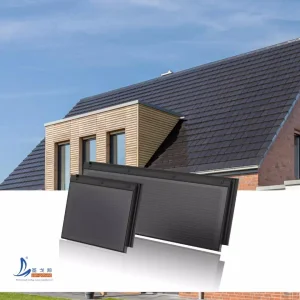
Designed to replace standard slate, concrete, or ceramic tiles on pitched roofs. Combining the waterproof insulation properties of classic tiles with monocrystalline PV cells, these modules ensure clean rooflines suitable for premium residential, heritage, and commercial renovations.
Ventilated or insulated glazed facades configured to integrate seamlessly with standard framing systems. These systems convert tall skyscrapers into vertical solar farms, taking advantage of low-angle winter sunlight, which boosts seasonal yield profile.
By adjusting the spacing between solar cells, we control the light transmittance coefficient (from 10% to 50% transparency). Perfect for atriums, public canopies, and greenhouses, providing clean energy while managing internal solar heat gain.
As BIPV demands increase, efficiency and stability depend on technological advancement. Here is the technical pathway guiding modern active building materials:
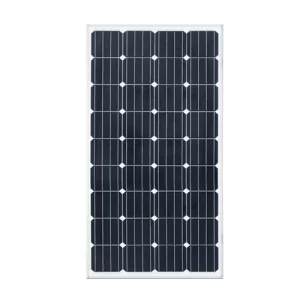
Modern BIPV is shifting to N-type tunnel oxide passivated contact (TOPCon) and Heterojunction (HJT) cell architectures. These cells offer lower temperature coefficients (crucial for poorly ventilated facade installations) and superior bifaciality factors, maximizing ambient reflection capture.
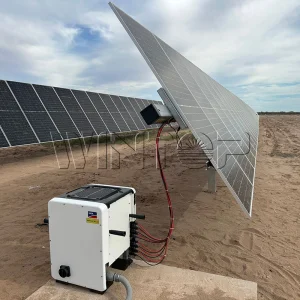
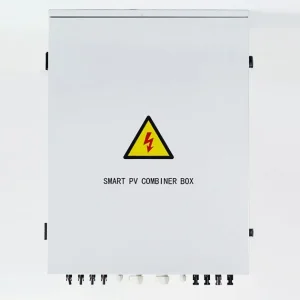
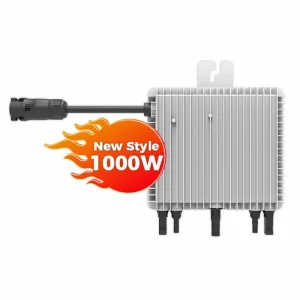
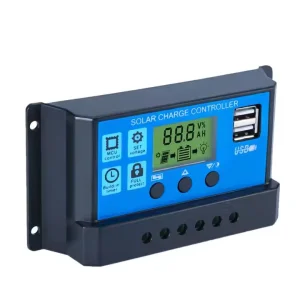
Unlike flat, ground-mounted utility arrays, BIPV is highly prone to complex shading. Integrating module-level power electronics (MLPE), such as microinverters and MPPT regulators, mitigates output losses and isolates fault points, complying with rapid shutdown safety regulations.
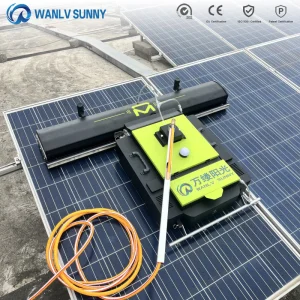
For large-scale facades and inaccessible commercial roofs, manual cleaning is dangerous and costly. Integration of anti-dropping automated robotic cleaners ensures module surfaces remain free of dust, pollen, and industrial debris to maintain high yield levels.
In Europe and globally, safety is the primary requirement for any building component. BIPV products must hold standard CE markings and undergo specific test sequences to verify electrical safety, weatherproofing, and structural stability.
The European Standard for Photovoltaics in Buildings (EN 50583 Parts 1 & 2) defines structural and electrical criteria for modules serving as roofs, walls, glass ceilings, or wind protection. CE markings require rigorous compliance with this directive.
Compliance documentation from third-party certifiers like DNV GL and GZCC validates quality standards. This verification reassures developers that BIPV modules meet structural performance metrics throughout a 25-year operational lifecycle.
Manufacturing facilities must follow ISO 9001:2015 (Quality), ISO 14001:2015 (Environment), and ISO 45001:2018 (Occupational Health & Safety). This ensures that every module is traceable from raw silica sourcing to the final packaging stage.
As a leading solar products manufacturer, Anhui Ran Solar Co., Ltd. specializes in the research, development, production, and global sales of high-quality solar PV products. Since our establishment in 2011, Anhui Ran Solar has achieved remarkable milestones, surpassing many competitors in production capacity, innovative designs, and technological advancements. We firmly believe that innovation drives progress, and we continually pursue new technologies and higher efficiencies to empower a sustainable energy future.
Currently, Anhui Ran Solar boasts a global production capacity of 7.5 GW, serving customers across more than 80 countries with premium products and professional services. By the end of 2023, over 15 GW of our solar modules have been deployed worldwide, powering residential, commercial, and utility-scale projects.
Innovation is at the core of Anhui Ran Solar’s strategy. We provide a full spectrum of advanced renewable energy technologies to meet the unique needs of every customer, whether utilities, commercial enterprises, or industrial clients. Our dedicated R&D team continuously explores next-generation solar solutions, including high-efficiency modules, bifacial technologies, and smart energy solutions.
We invest heavily in state-of-the-art laboratory equipment and recruit top-tier engineering talent, ensuring that our products remain at the cutting edge of the renewable energy industry. This relentless pursuit of technological innovation enables our customers to achieve higher performance, reduced costs, and superior reliability in their solar installations.
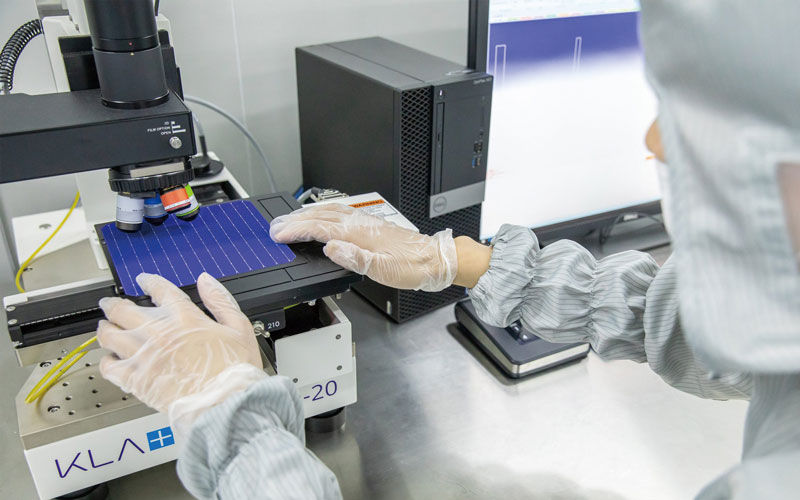
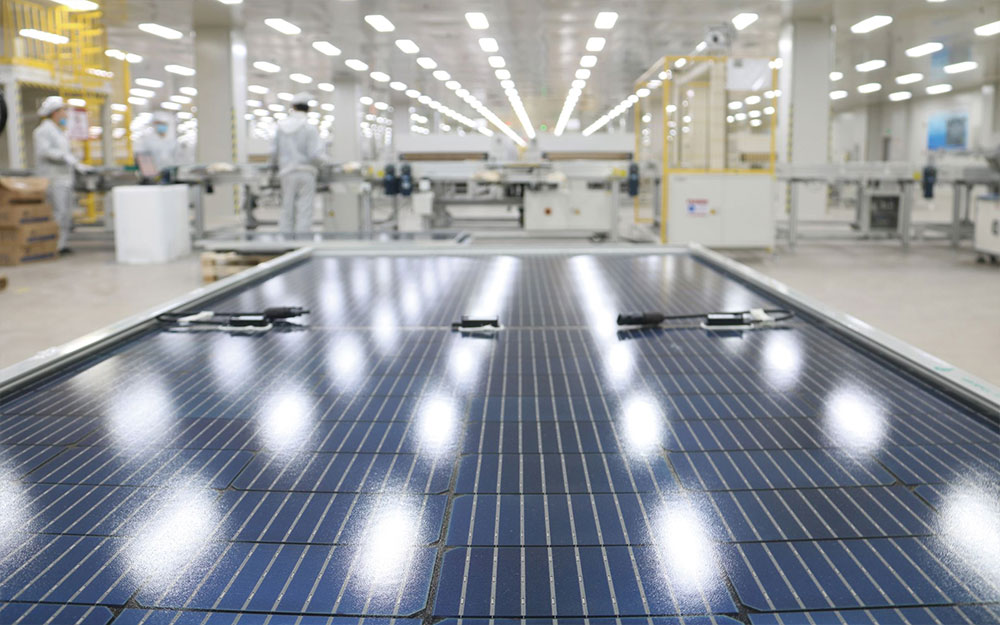
At Anhui Ran Solar, our modularized, fully automated production lines enable rapid delivery, optimized costs, and consistent quality. We have segmented the production process into closely coordinated, automated sectors to maximize efficiency and minimize human error.
Over 40 patented technologies have been implemented to optimize production processes, covering every stage from raw material inspection to final packaging. Each step is monitored and recorded in real time, ensuring traceability, precision, and reliability across our manufacturing operations.
Stringent quality control is the cornerstone of our operations. Our customers expect—and receive—uncompromising quality and performance, even in the most extreme conditions. Anhui Ran Solar invests continuously in advanced testing equipment and professional employee training to maintain these high standards. Our products have achieved certifications for Quality Management System (ISO 9001:2015), Environmental Management System (ISO 14001:2015), and Occupational Health and Safety Management System (ISO 45001:2018) from both DNV GL and GZCC, reflecting our commitment to excellence, sustainability, and workplace safety.
Anhui Ran Solar is committed to accelerating the global energy transition. By providing innovative, reliable, and efficient solar solutions, we aim to empower communities, businesses, and governments worldwide to harness the power of the sun for a cleaner, greener future.
Clear, direct technical answers for BIPV project planners, structural engineers, and purchasing directors.
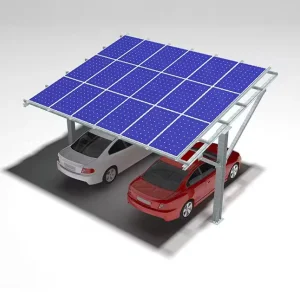
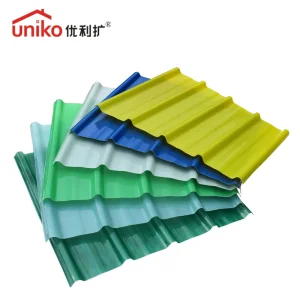
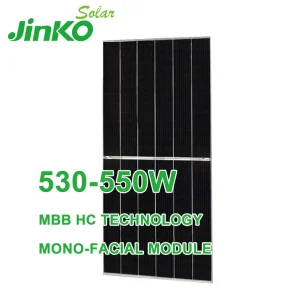
Complete your PV installation with high-efficiency bifacial panels, fiberglass roofing sheets, waterproof carport structures, and robust cleaning equipment.
 Ran Solar