Ran Solar
Executive Summary: The Era of Decarbonization and Grid Resilience
As global energy systems transition rapidly away from fossil fuels, solar photovoltaics (PV) have graduated from decentralized auxiliary systems to baseline utility grid generators. Yet, the intermittent nature of solar energy introduces grid instabilities. Managing solar energy is no longer just about harvesting electrons through panels; it is about active, intelligent flow control. This shift demands premium Solar Power Management Systems (SPMS) engineered, certified, and scaled for commercial stability.
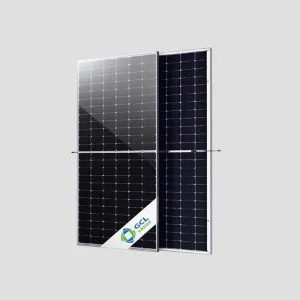
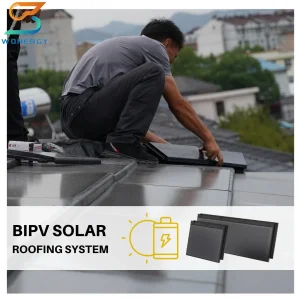
This whitepaper explores the critical technology paradigms shaping the solar industry today. By evaluating advanced Maximum Power Point Tracking (MPPT), N-Type bifacial solar panels, smart DC combiner arrays, and integrated building photovoltaics (BIPV), we provide global procurement managers, EPC contractors, and distributors with the information gain required to mitigate supply chain risks and guarantee structural and electrical longevity.
1. Global Development Trends in Solar Power Management
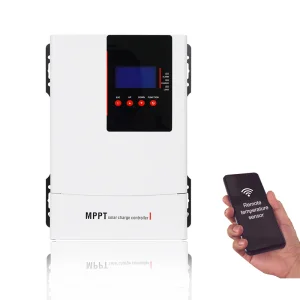
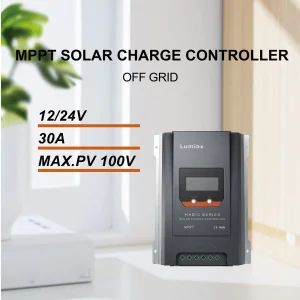
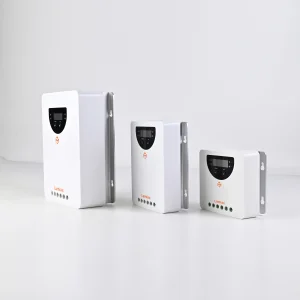
The solar power management domain is evolving from basic energy harvesting systems to integrated, AI-driven smart grids. High-performance microprocessors are now integrated into modern MPPT controllers, allowing for real-time monitoring and dynamic load balancing.
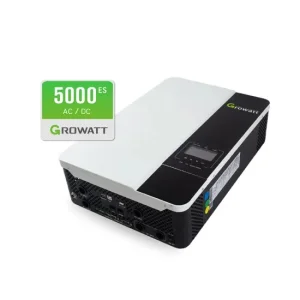
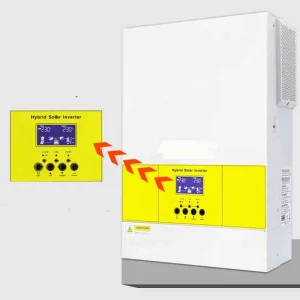
The integration of communication protocols like RS485 and Bluetooth enables operators to manage PV systems remotely, analyzing performance data down to the individual module level. Additionally, hybrid inverter technologies that combine grid-tied efficiency with off-grid capability are becoming the standard for commercial microgrids. These systems act as decentralized nodes capable of peak shaving, load shifting, and grid ancillary services.
"The modern solar power plant is as much a digital asset as it is a physical one. Real-time telemetry, remote cloud control, and safety-at-source engineering represent the absolute threshold of next-generation project viability."
2. The Technical Blueprint of CE-Certified PV Components
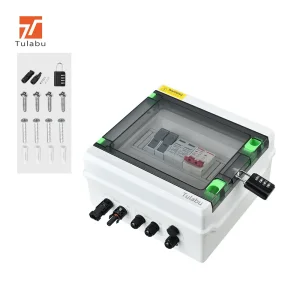
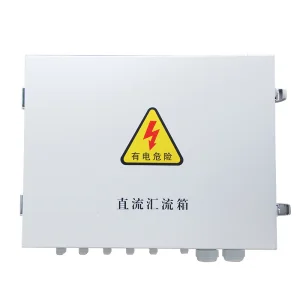
For commercial operators in the European Union and other highly regulated global markets, compliance with CE (Conformité Européenne) certification is mandatory. CE certification guarantees that power management equipment—specifically inverters, charge controllers, and combiner boxes—adheres to strict Low Voltage (LVD 2014/35/EU) and Electromagnetic Compatibility (EMC 2014/30/EU) Directives.
Why Certification Matters to Global Buyers:
- Dielectric Isolation & Surge Suppression: Combating lightning strikes and induced over-voltages in outdoor arrays through robust surge protection devices (SPDs) and specialized fuses.
- Thermal Dissipation: Efficient heat dissipation via advanced copper transformers, reducing thermal runaways and degradation rates.
- Ingress Protection: Guaranteeing IP65 or IP66 enclosures to withstand high dust loads, humidity, and chemical exposure in desert and marine environments.
3. Global Enterprise Procurement Trends & Demand Realities
Enterprise buyers are moving away from piecemeal component procurement. Modern projects demand holistic, pre-engineered solutions that minimize on-site engineering errors. The current procurement landscape centers around three key operational priorities:
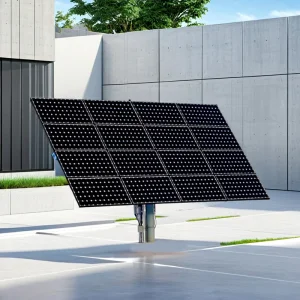
- Long-Term Levelized Cost of Energy (LCOE): Ensuring that capital expenditures yield higher generation efficiencies over a 25-to-30-year operational lifecycle. This drives interest in N-Type bifacial solar panels and automated tracking systems.
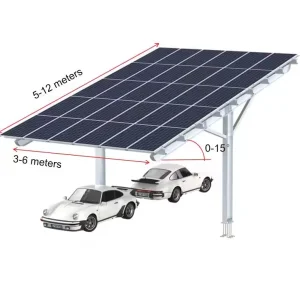
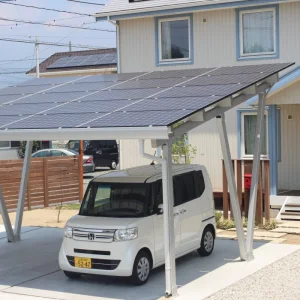
- Rapid Civil Installation: Solar racking solutions—specifically aluminum carport mounting structures and pre-fabricated carbon steel structures—must be modular and easy to assemble to minimize high local labor costs.
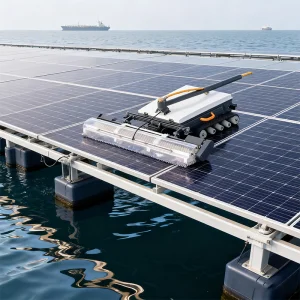
- Preventative Maintenance Cost Reductions: Incorporating smart diagnostic tools, such as autonomous photovoltaic cleaning robots, to mitigate dust-soiling losses, which can reduce generation by up to 25% in arid regions.
4. Industry 4.0: China's Supply Chain Resilience & OEM Capabilities
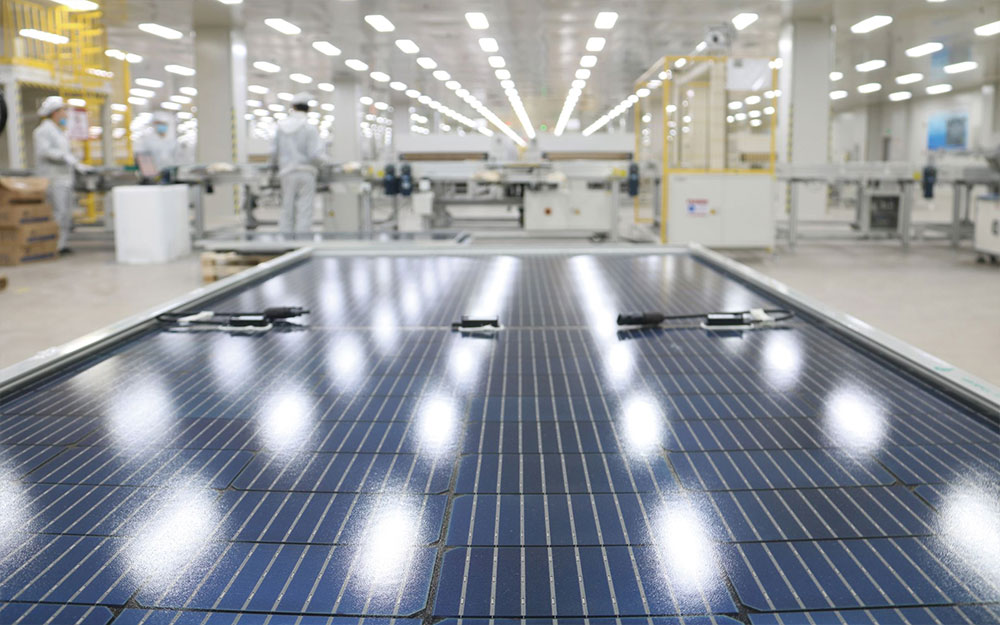
Chinese manufacturers have established global dominance in solar energy products by transitioning from traditional high-volume assembly lines to advanced, fully automated Smart Manufacturing plants (Industry 4.0).
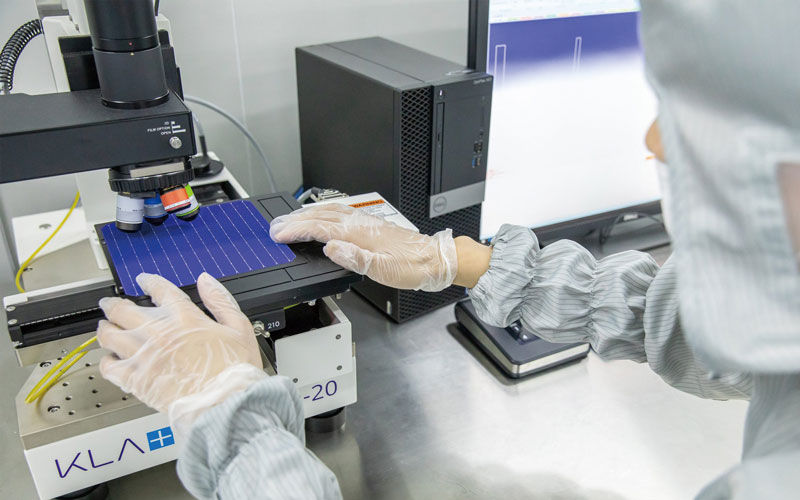
For instance, at Anhui Ran Solar Co., Ltd., automated production systems ensure rapid delivery, optimized costs, and uniform quality across our 7.5 GW production footprint. Implementing over 40 patented technologies, our factories utilize real-time automated optical inspection (AOI) and Electroluminescence (EL) testing at multiple stages. This continuous quality monitoring prevents micro-cracks and soldering defects from leaving the facility, ensuring that every shipped module delivers its rated power capacity.