Basic Information
Application
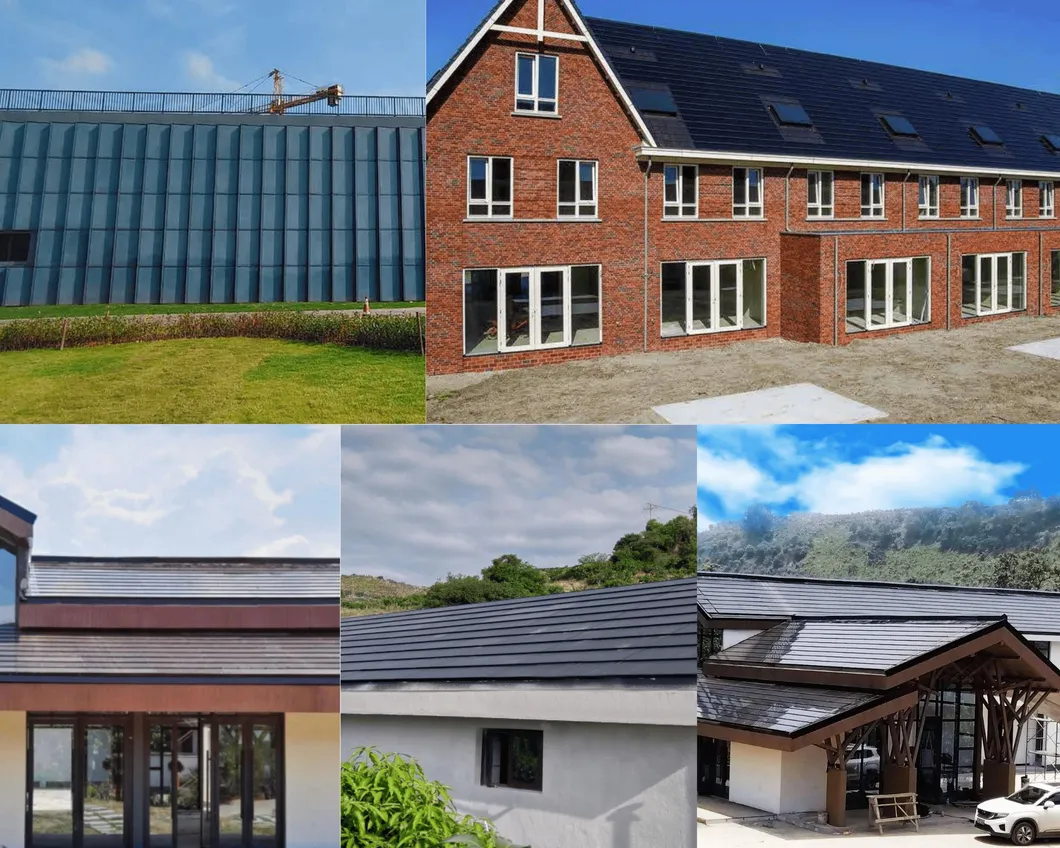
Residential Villa, Public Building
Certification
ISO, CE, MCS, CEC, CQC, CCC
Material
Monocrystalline Silicon
Product Description
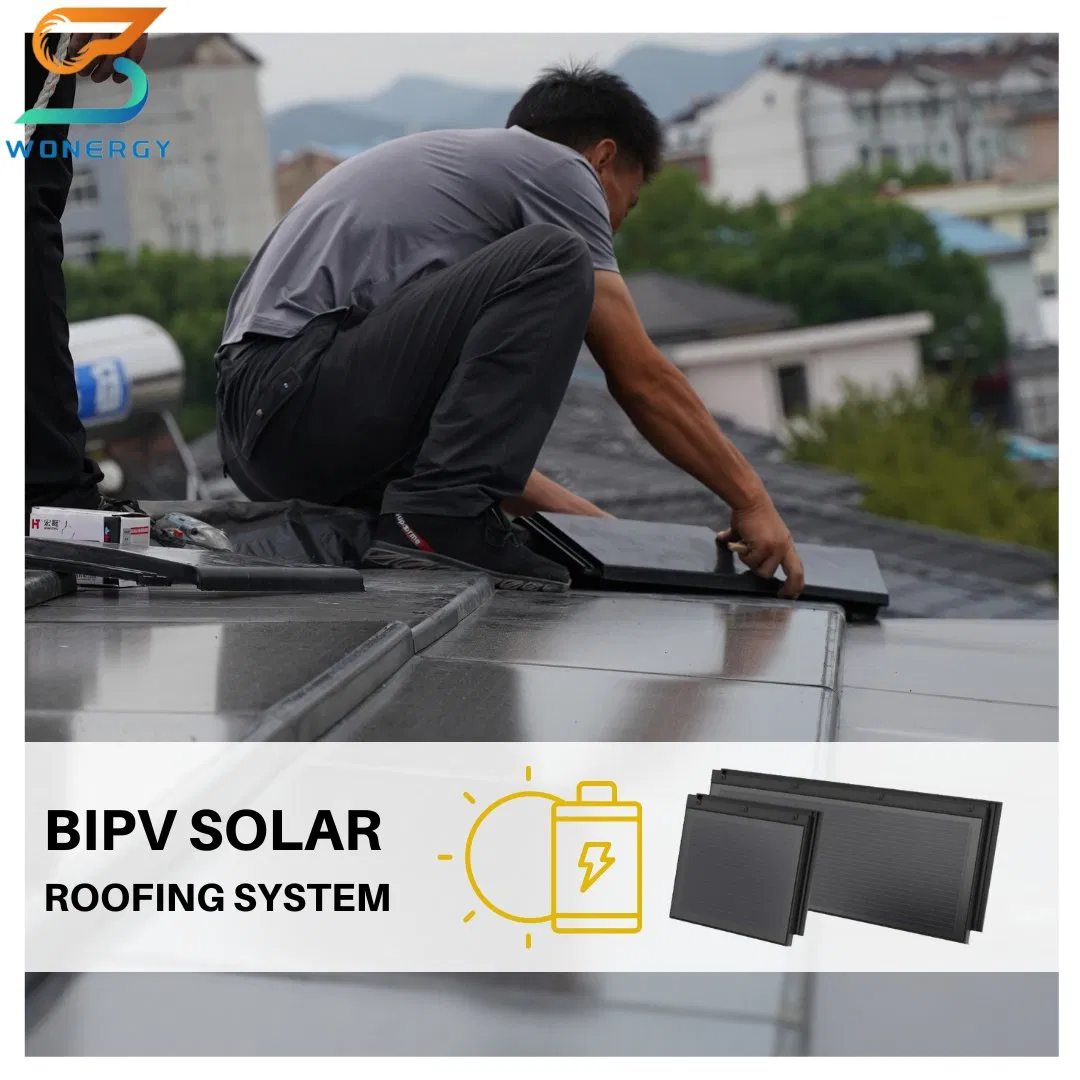
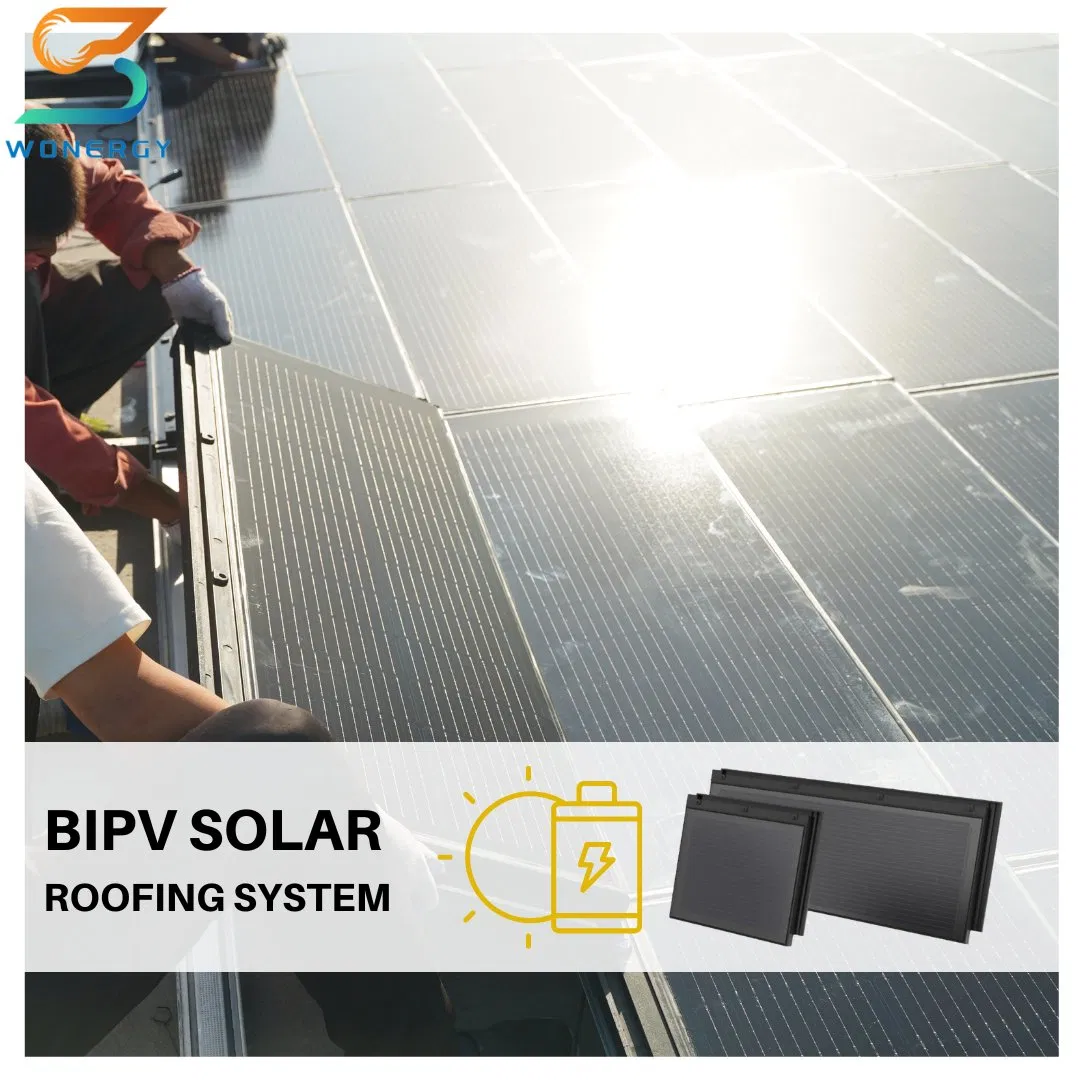
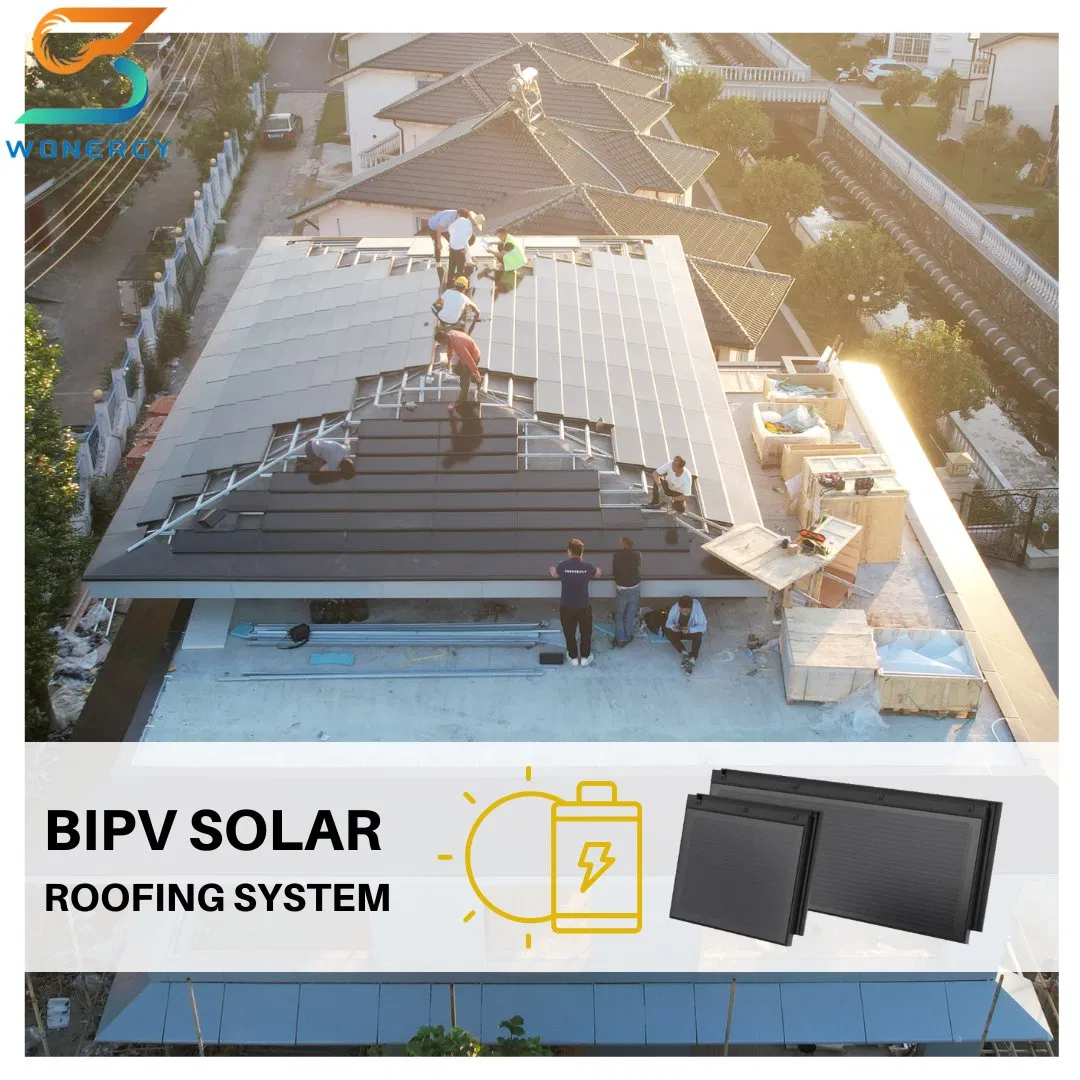
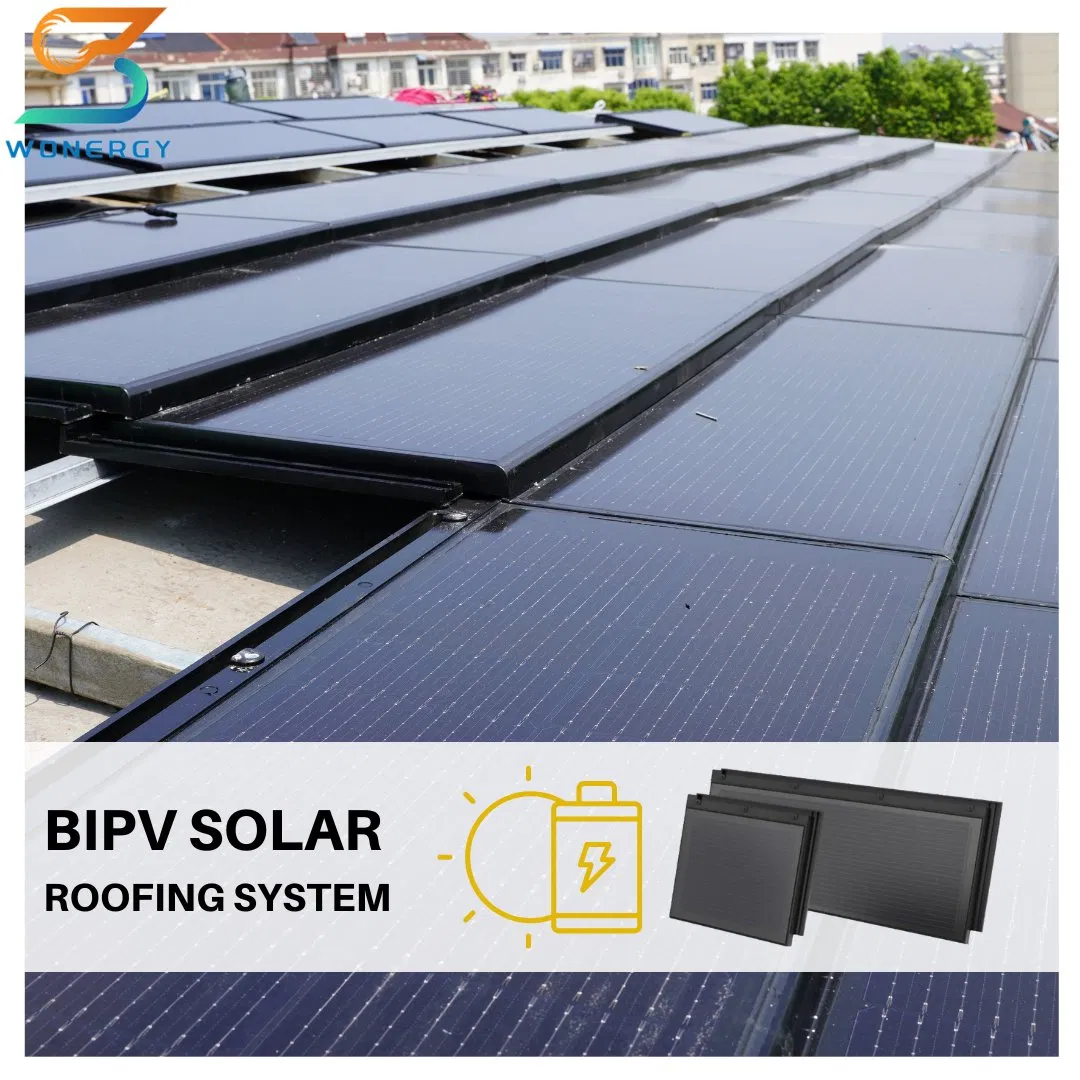
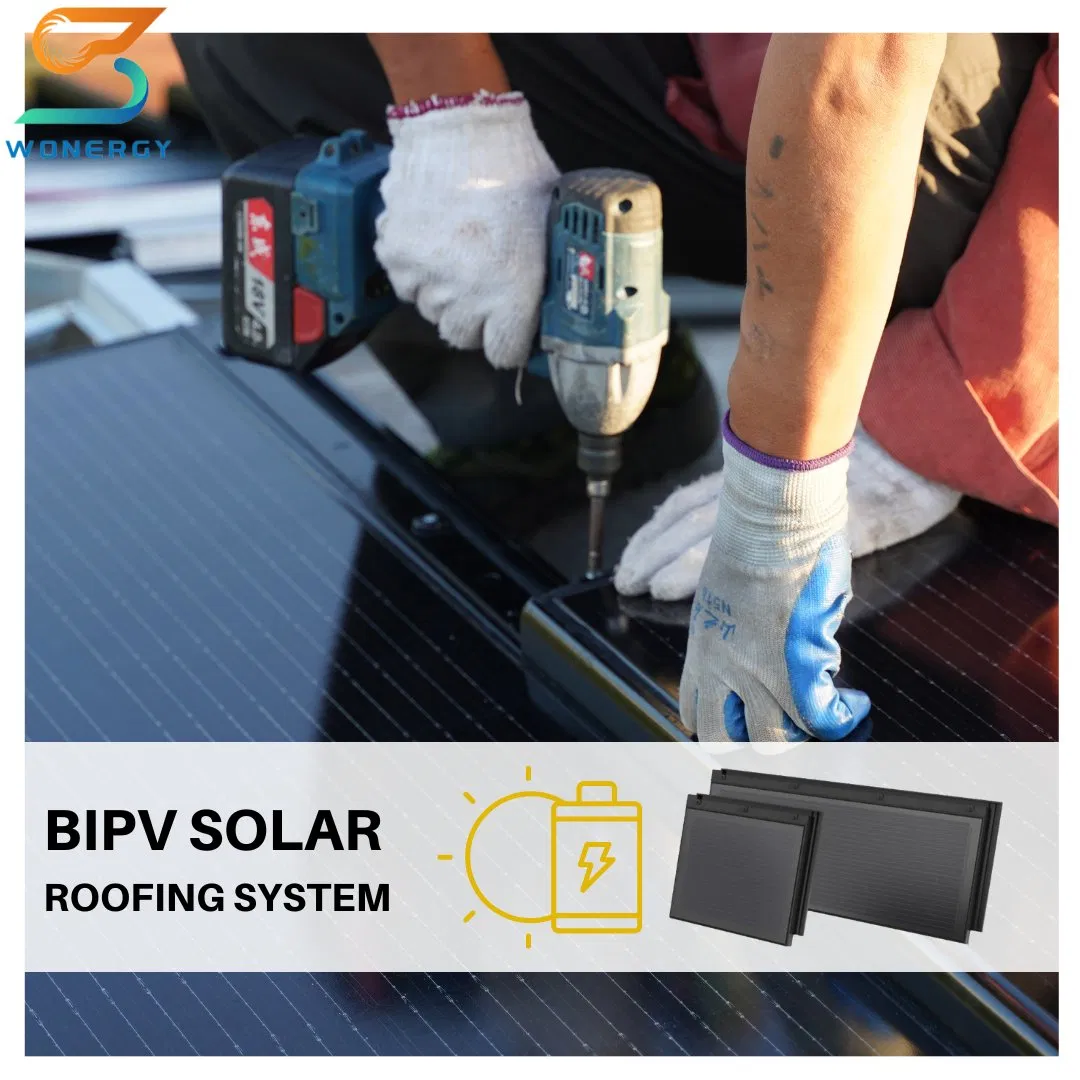
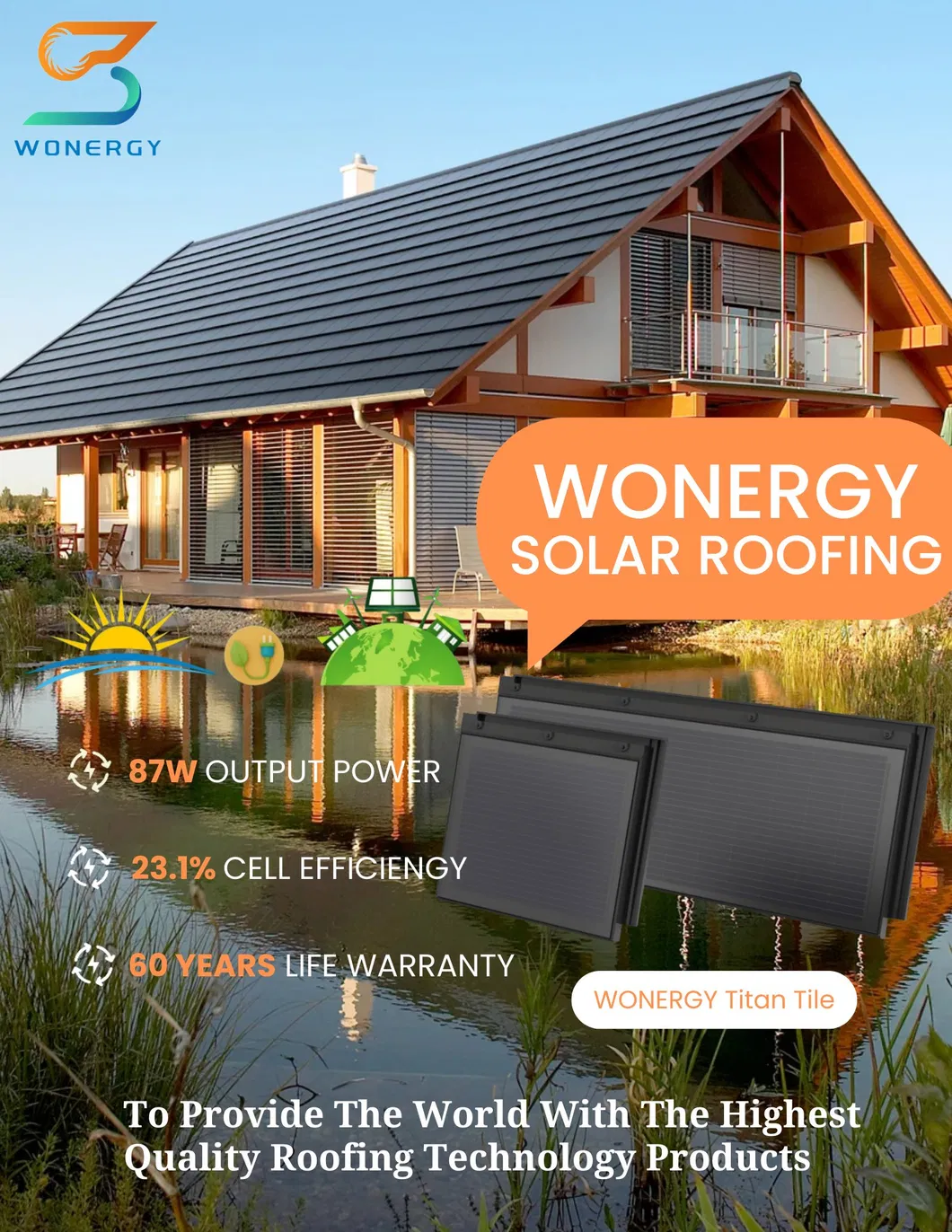
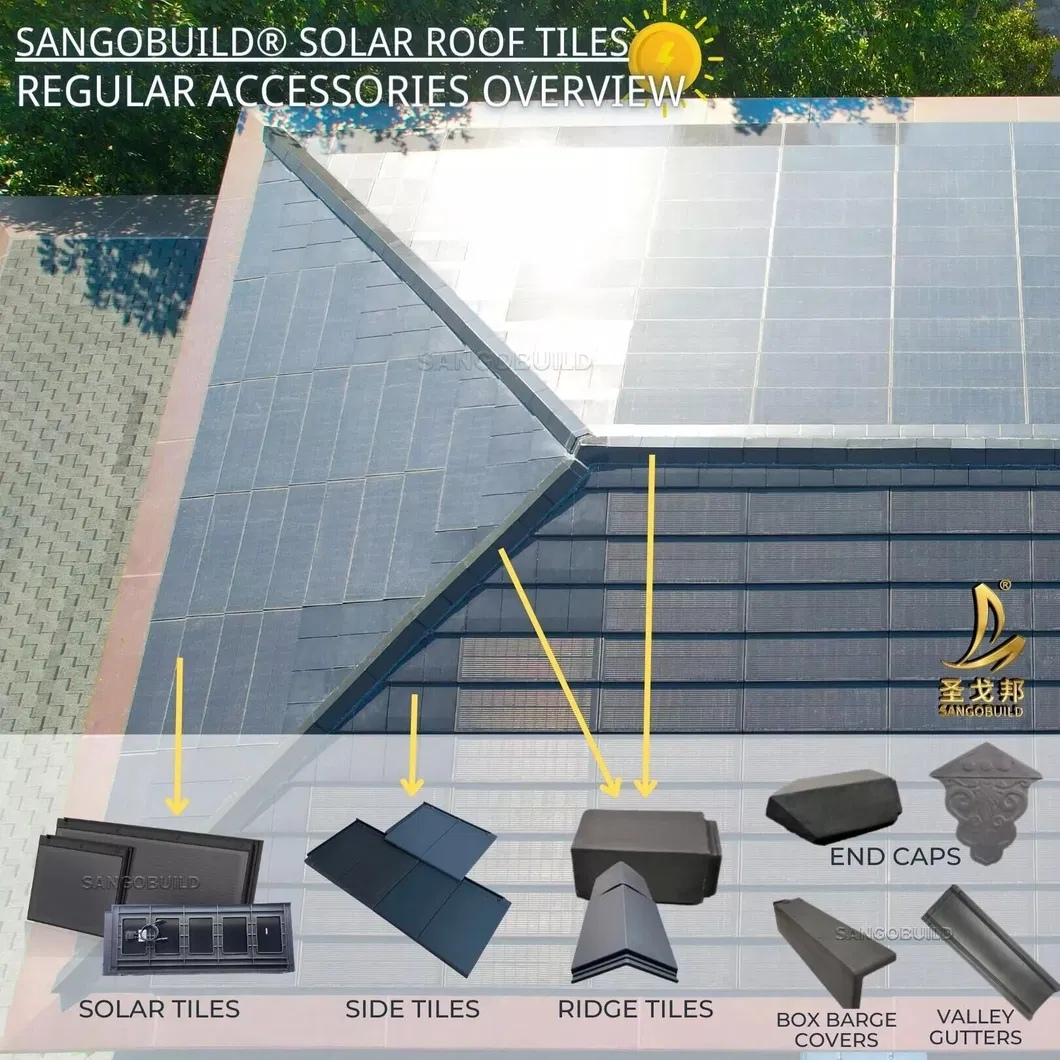
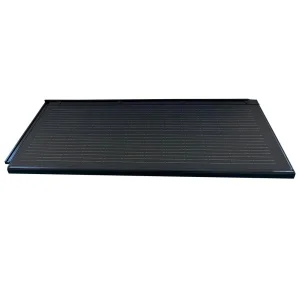
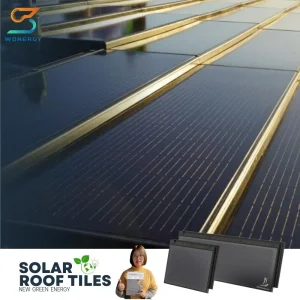
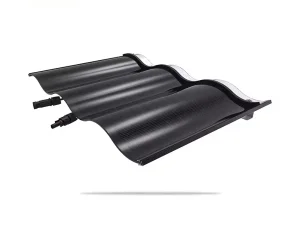
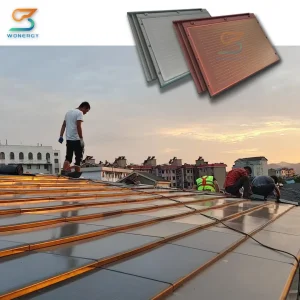
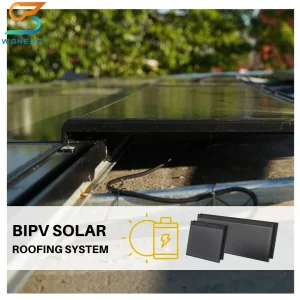
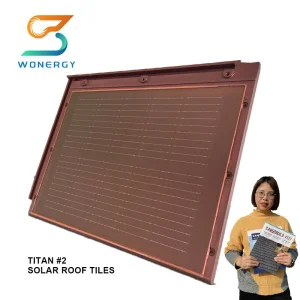
Building-integrated photovoltaics (BIPV) energy is revolutionizing how solar energy production is incorporated into modern architecture. These tiles serve a dual function: generating renewable energy while performing the structural tasks of roof protection.
| Specification |
S-1 (Small Size) |
S-2 (Standard) |
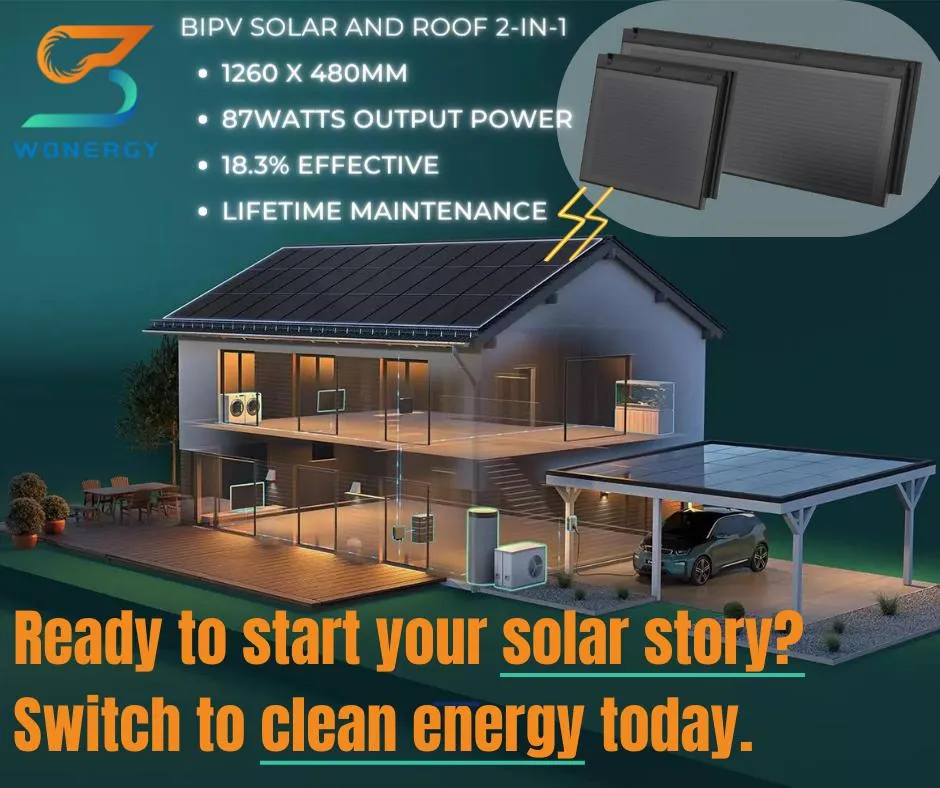
| Size | 630*480mm | 1260*480mm |
| Weight | 9kg | 16.5kg |
| Glass | 3.2mm Tempered | 3.2mm Tempered |
| Power Output | 35W | 87W |
| Junction Box | ≥IP67 | ≥IP67 |
| Lifespan | >30 years | >30 years |
| Fire Rating | Class A | Class A |
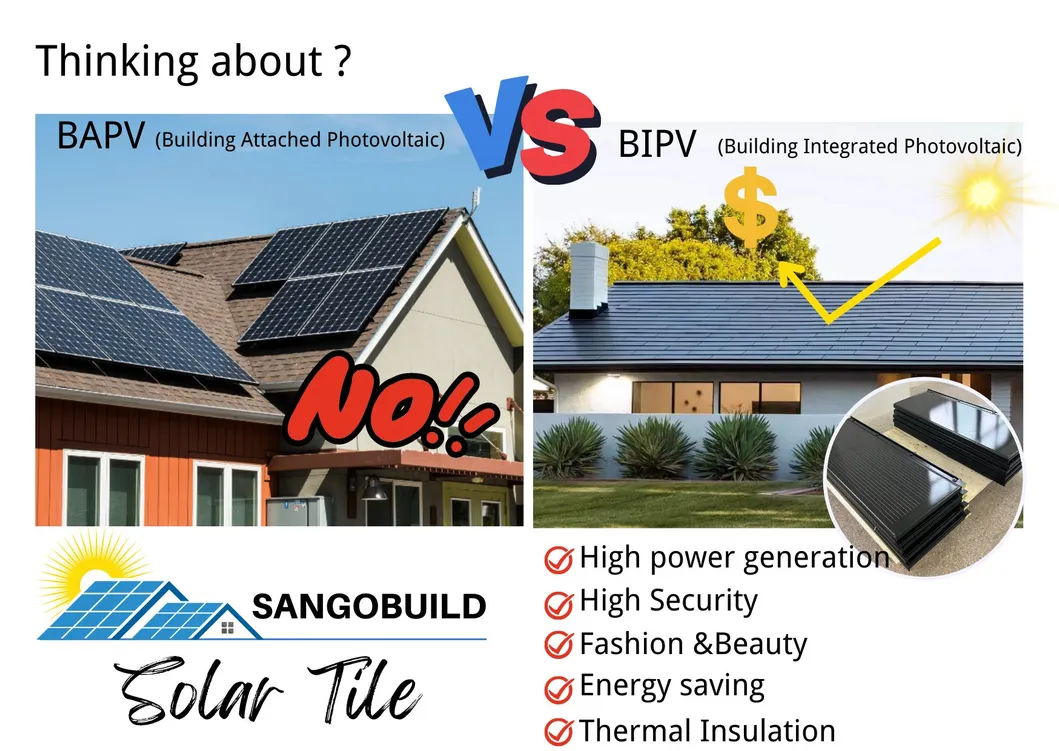
Comparison: BAPV VS BIPV
| Feature |
BAPV (Applied) |
BIPV (Integrated) |
| Method | Fitting modules to existing surface | Replacement of traditional elements |
| Function | Power generation only | Structural component + Power |
| Appearance | Messy, poor integrity | Beautiful, modern, elegant |
| Lifespan | ~20 Years | 50+ Years |
| Waterproof | Higher leakage risk | Premium resistance |
| Installation | Two phases, complex | Easy and fast installation |
Why Choose Integrated Solar Tiles?
Excellent Product Features
- High efficient whole roof covering
- Class A waterproofing and fire resistance
- Strong Hail and Wind Resistance
- More than 60 years structural lifespan
- Aesthetically appealing seamless design
- Saves roofing and mounting rack costs
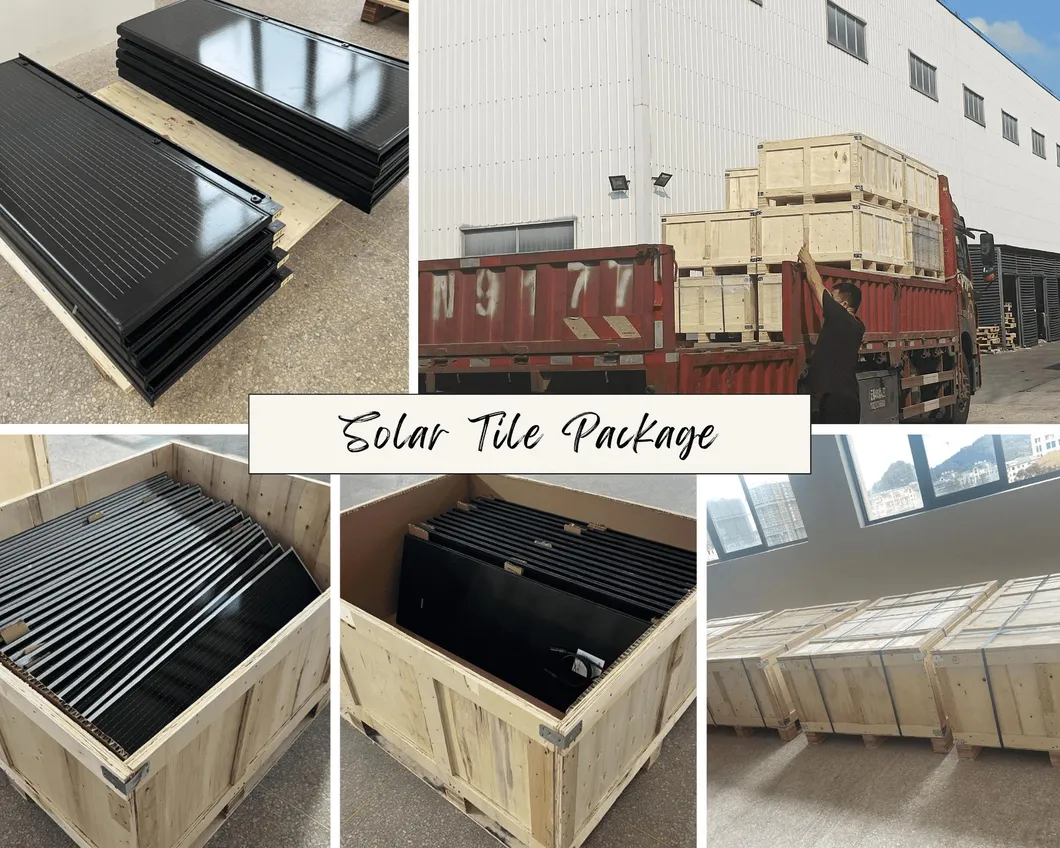
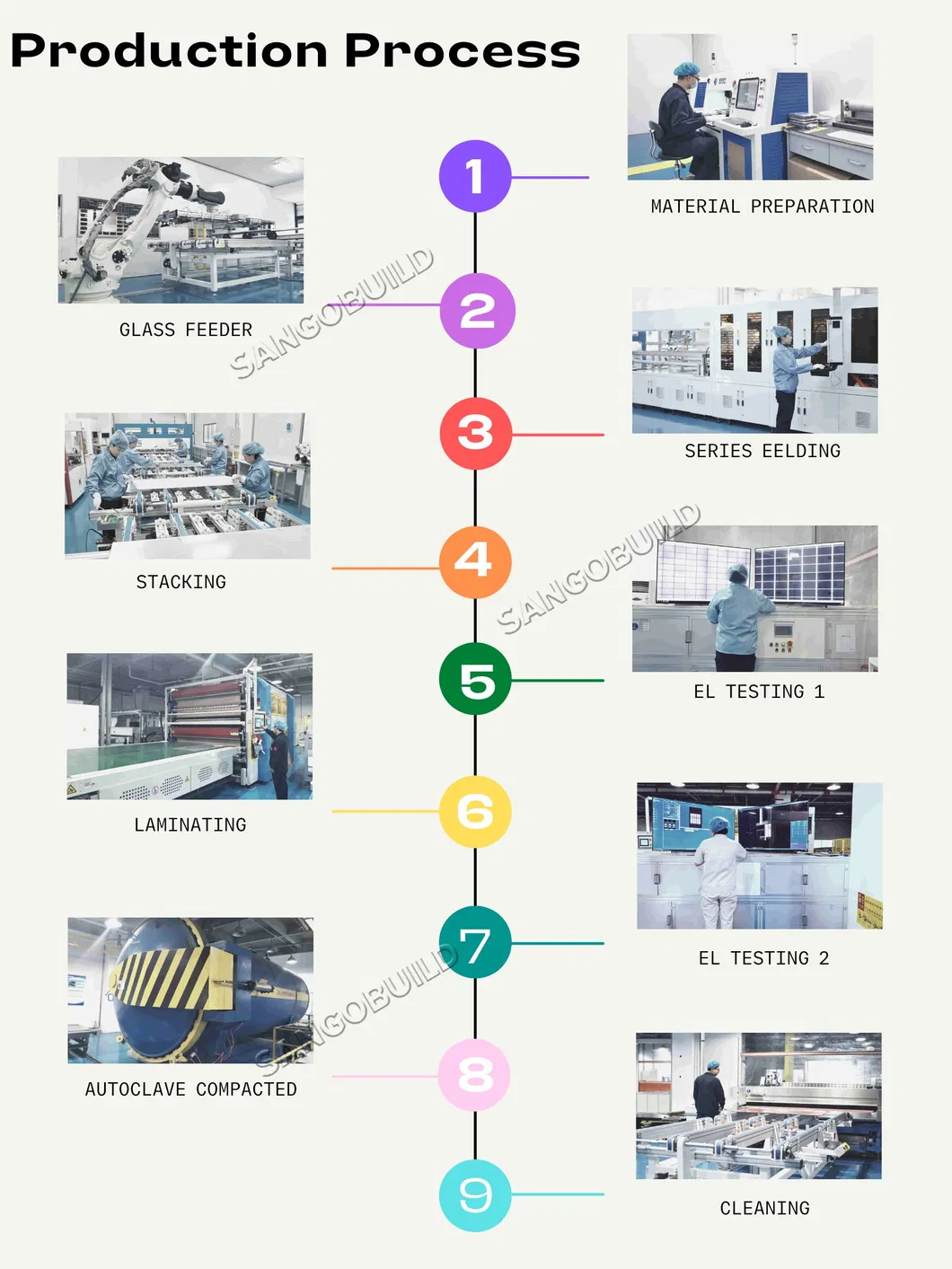
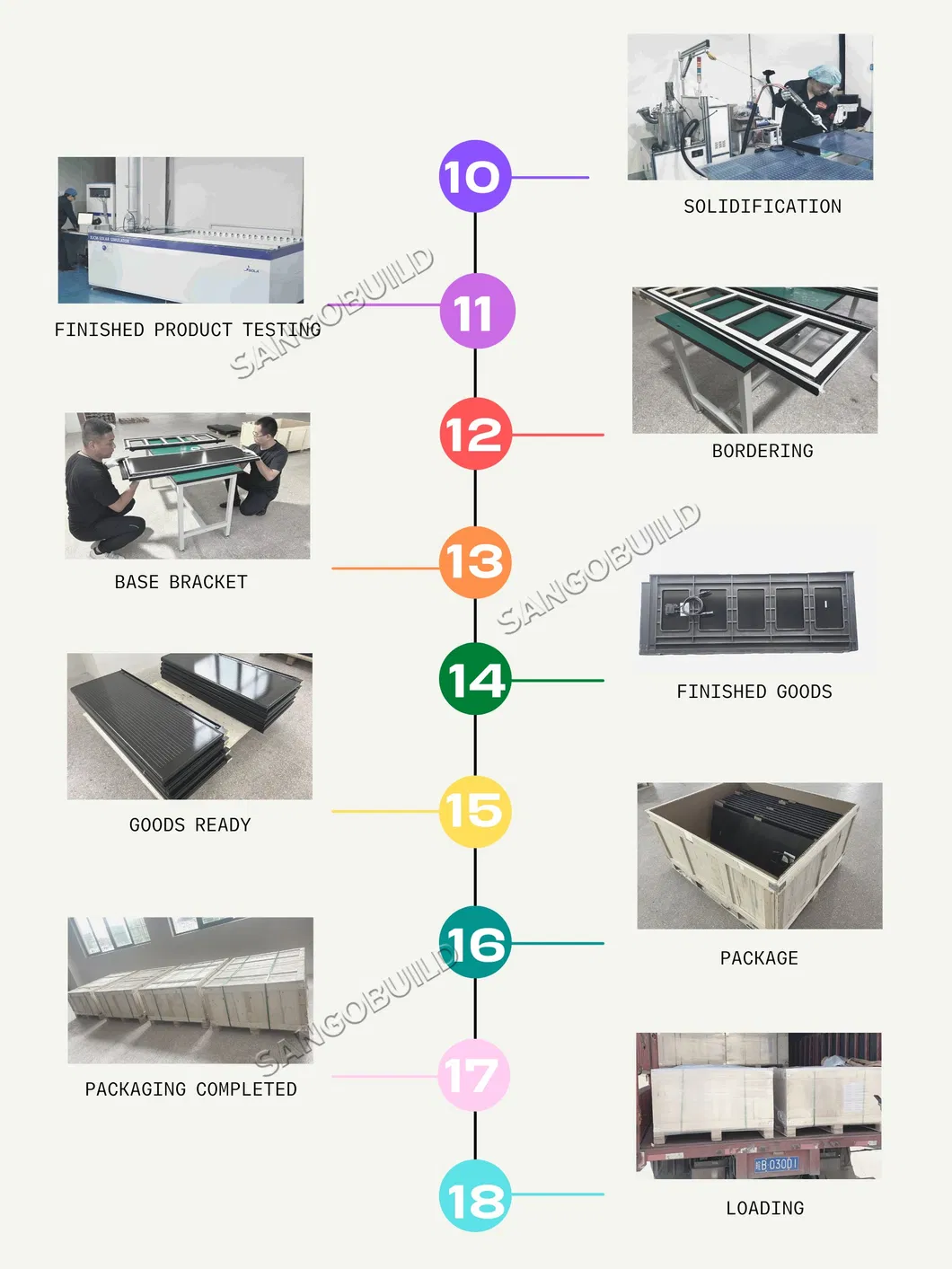
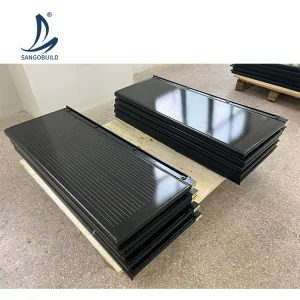
Packing & Delivery
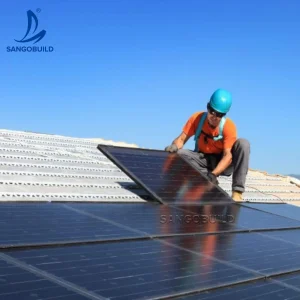
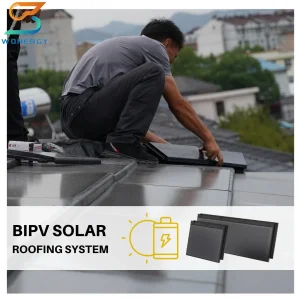
Application & Installation
Solar Energy Workflow
1. Collection: Sunlight hits solar cells, converting energy to DC electricity.
2. Inversion: Inverter converts DC to AC electricity for home use.
3. Storage: Excess electricity flows to batteries or back to the grid.
4. Monitoring: Apps track real-time creation, usage, and savings.
Frequently Asked Questions
Where can BIPV products be installed?
BIPV products can be integrated seamlessly into the building envelope wherever sunlight hits. This includes roofs, façades, windows, skylights, and even balcony railings.
How much energy can BIPV systems produce?
The amount depends on solar radiation (kWh/m2/day) at your location, climate conditions, and potential shading from trees or nearby structures. Modern systems are designed to maximize output even in varied conditions.
Are solar tiles more durable than traditional roofing?
Yes. While standard asphalt shingles may last 15 years, solar tiles are designed to last 25-30 years or more, featuring Class A fire ratings and high wind/hail resistance.
Are BIPV systems worth the investment?
BIPV serves a dual purpose. By replacing traditional roofing materials with solar tiles, you effectively discount the cost of the roof from your solar installation, providing long-term energy savings and weather protection.
What is the main difference between solar panels and solar shingles?
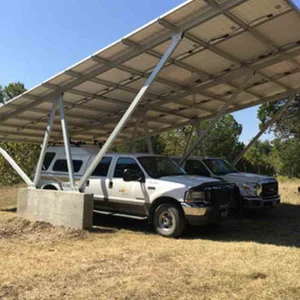
Solar panels are "applied" on top of an existing roof (BAPV), whereas solar shingles are the roof itself (BIPV). Shingles provide a more aesthetic, integrated look that resembles traditional slate or asphalt.
What kind of maintenance do solar roofs require?
Solar roofs require minimal maintenance, typically just occasional cleaning in high-pollution areas to ensure maximum sunlight absorption. The integrated design reduces common leakage points found in traditional rack-mounted systems.
 Ran Solar