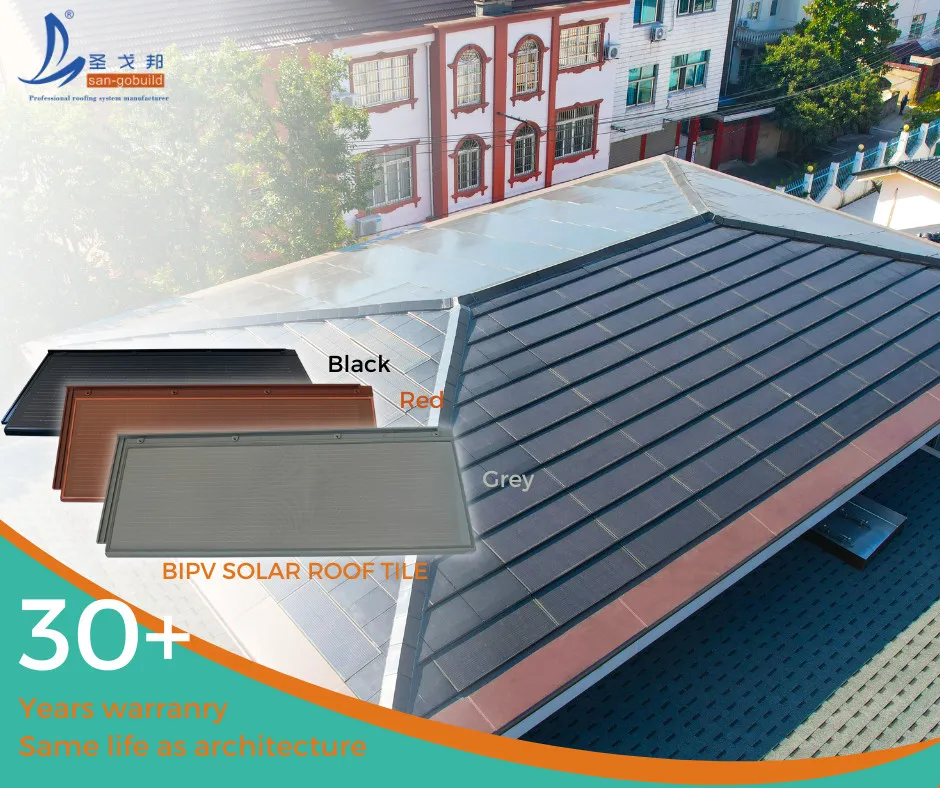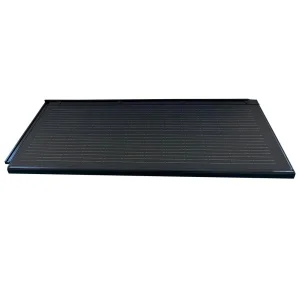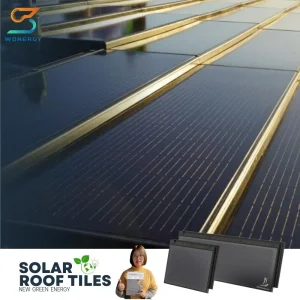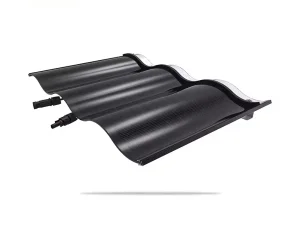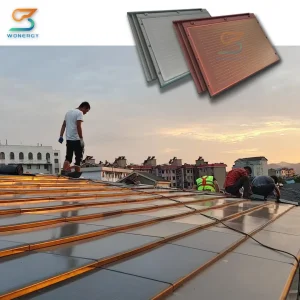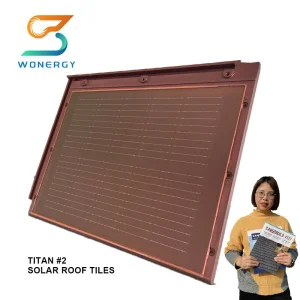
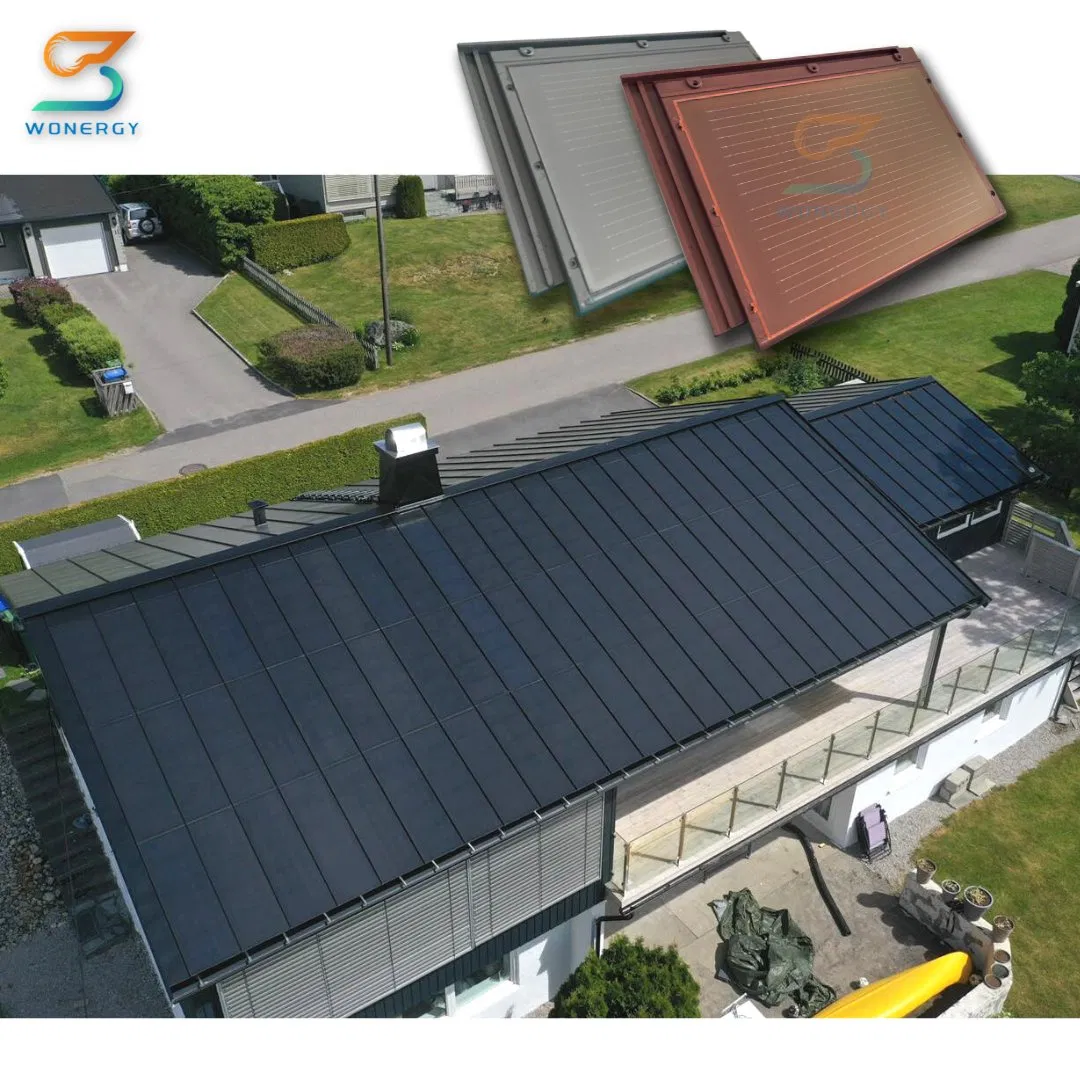
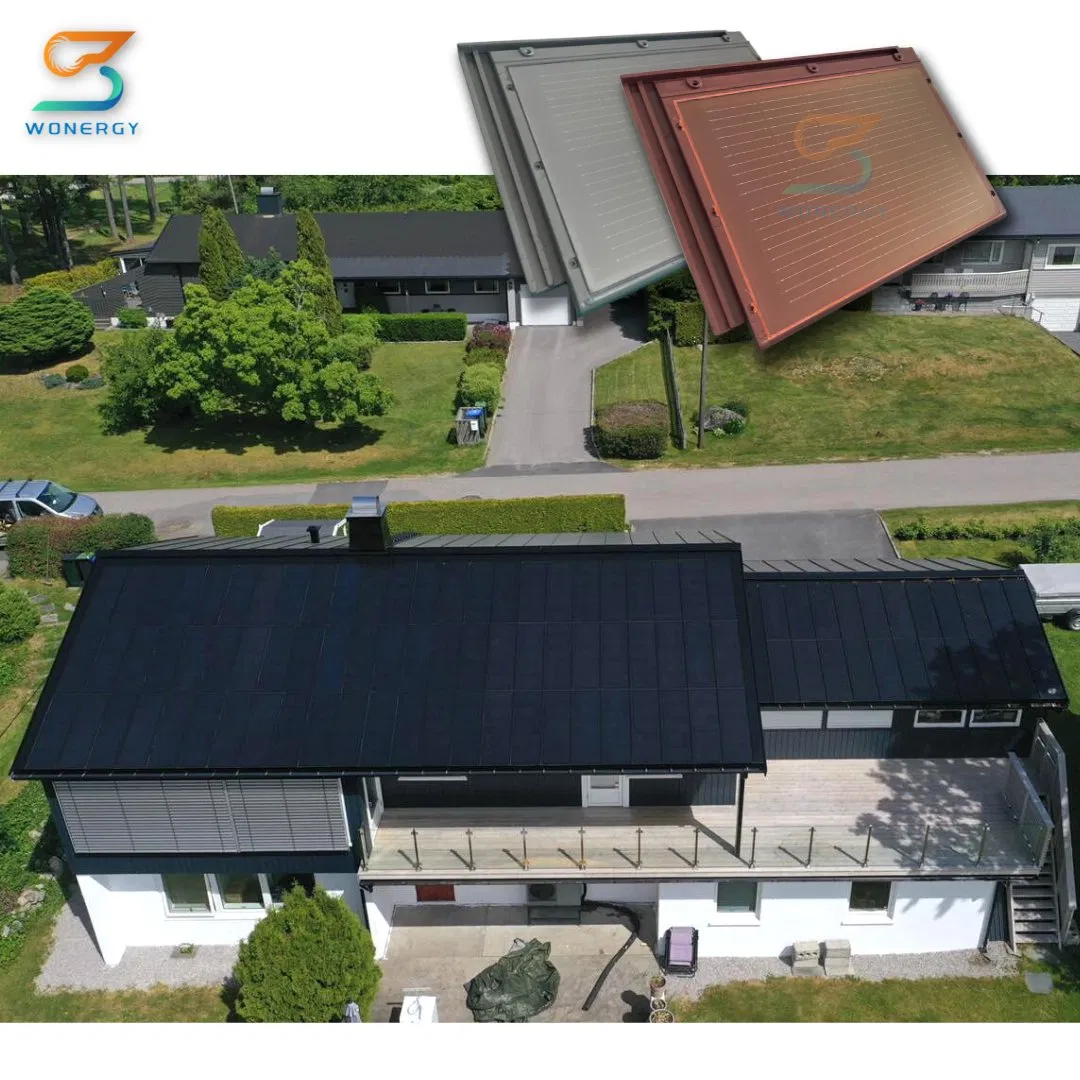
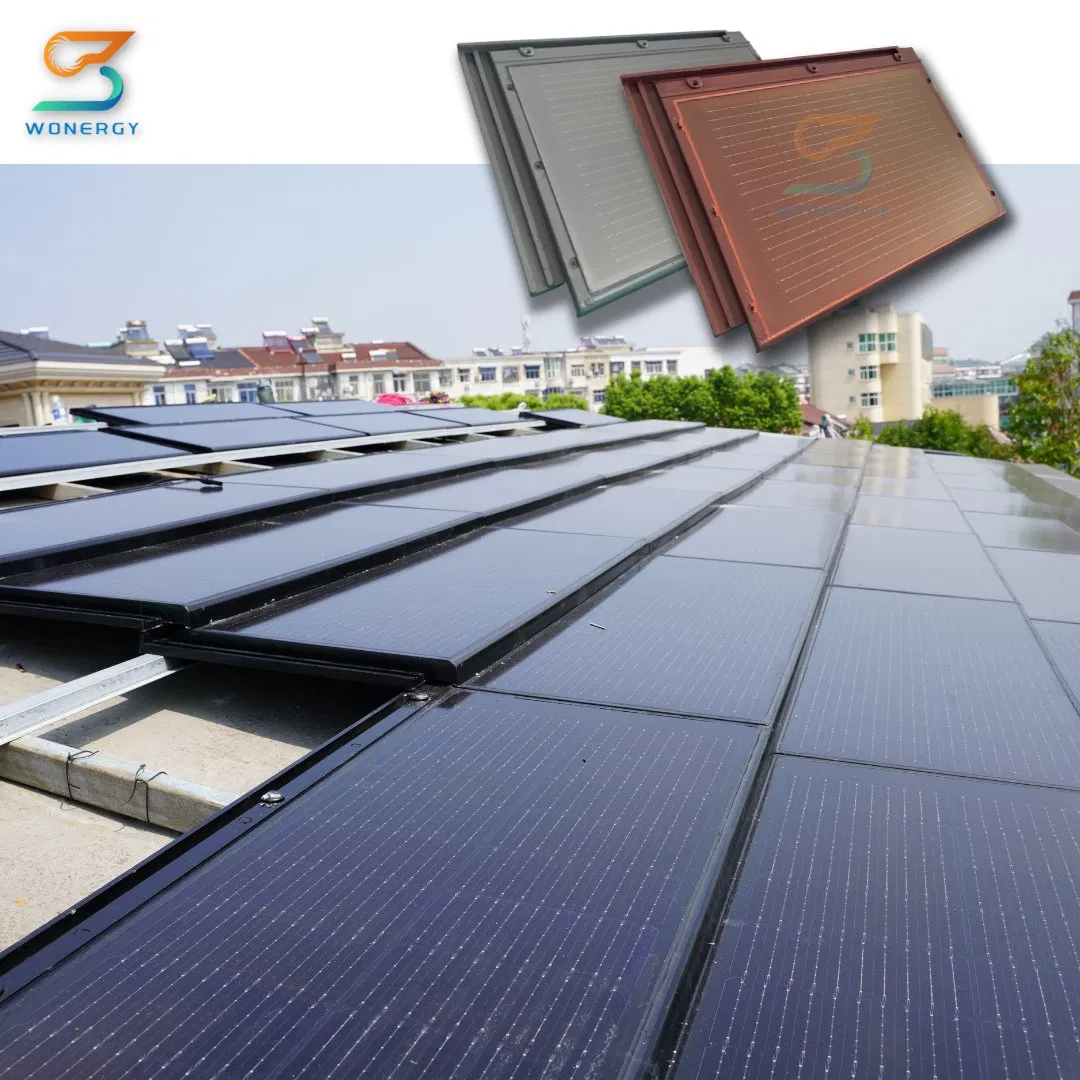
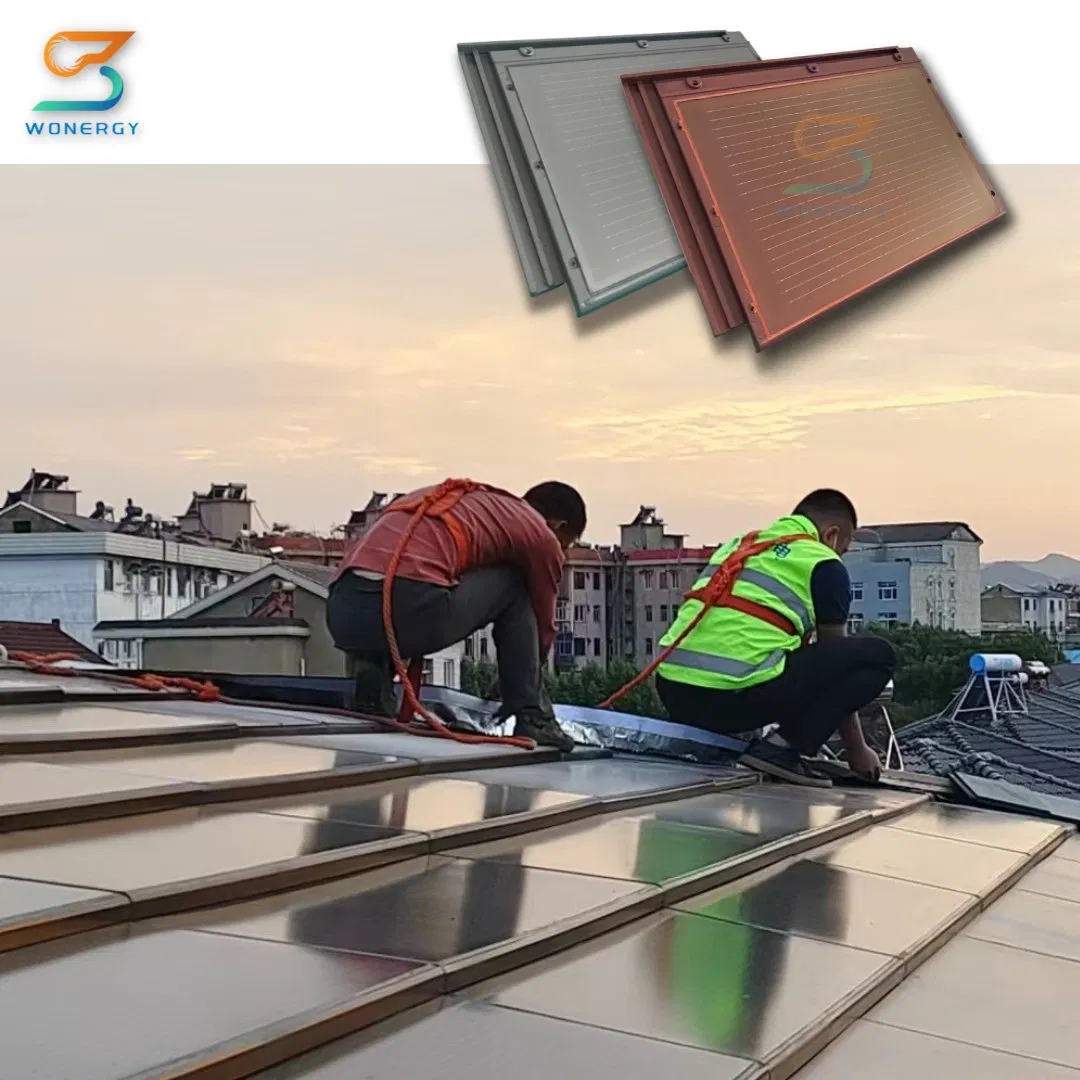
25 Years Transparent Monocrystalline Silicon Tuiles Solaires Integrated Solar Roof Tile

Still deciding? Get samples of $ !
Order Sample

Product Description

Basic Specifications
Model
Solar Tile
Cell Config
2*12 / 182*91mm
Application
Residential Villa, Public Buildings
Material
Monocrystalline Silicon
Power Density
180W/M2
Certification
ISO, CE, MCS, CEC, CQC
Glass
3.2mm Tempered
HS Code
85414300
Integrated Solar Roof Tile
Product Description & Parameters
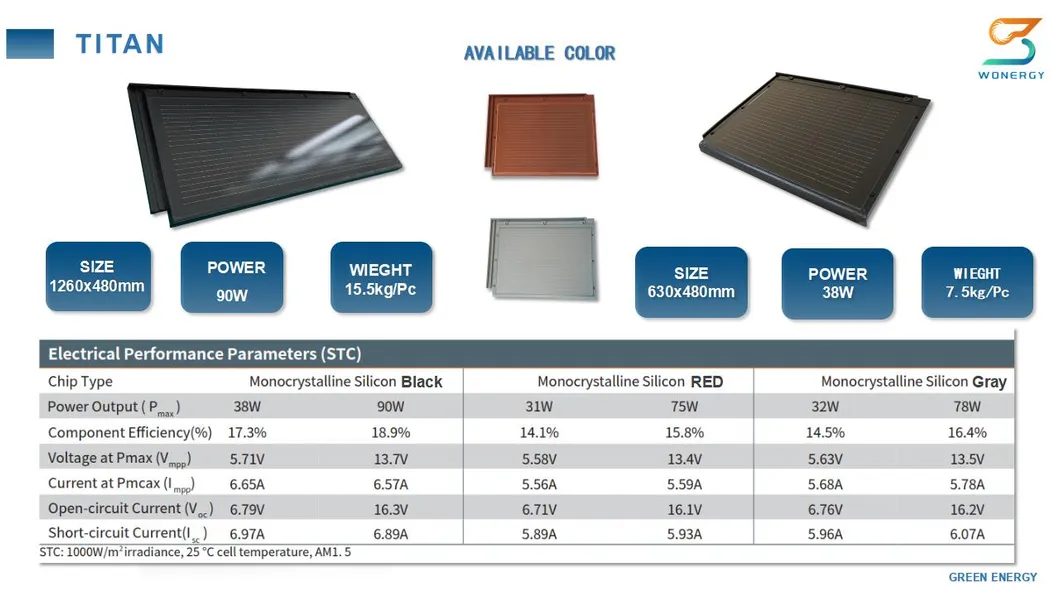
MODEL S-1 (Small Size) S-2 (Standard)
SIZE630*480mm1260*480mm
Weight9kg16.5kg
MaterialsLow-iron tempered glass/3.2mmLow-iron tempered glass/3.2mm
Junction Box≥IP67≥IP67
Lifespan>30 years>30 years
Power output38W90W
Fire RatingClass AClass A
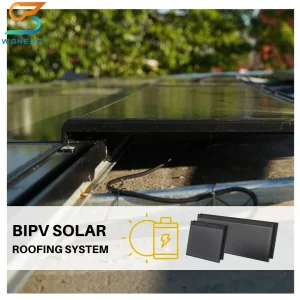
🏠 Building Integrated Photovoltaics (BIPV)

BIPVs serve a double function: generating renewable energy from the sun while performing the structural tasks of building elements. These are built into the vital exterior elements of the structure.
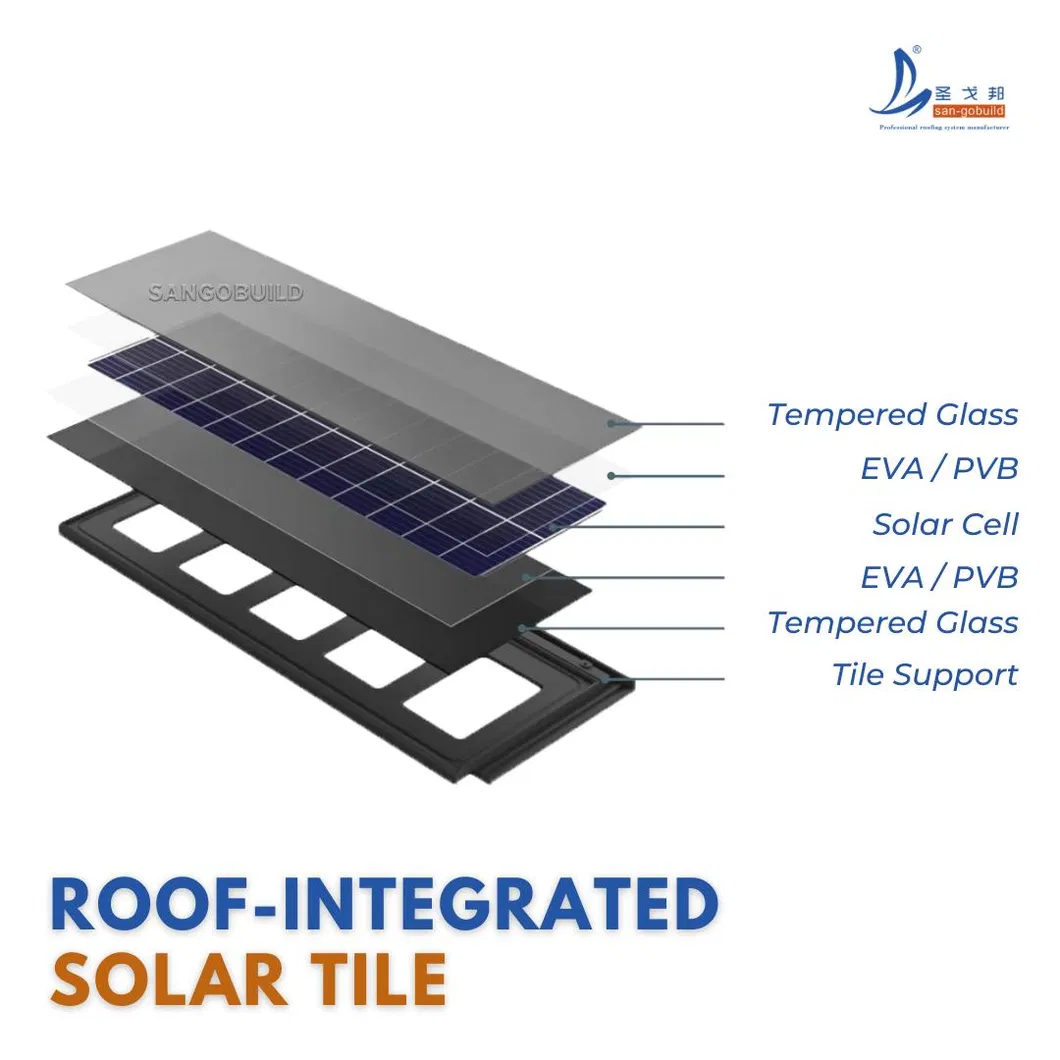
Solar Structure
Solar Panel Tech
BAPV VS BIPV Comparison
Feature BAPV (Applied) BIPV (Integrated)
Installation Fitting modules to existing surfaces Replacement of construction elements
Appearance Messy, poor integrity Beautiful, simple, elegant
Lifespan 20 Years 50+ Years
Waterproof Higher leakage risk Premium waterproofing resistance
Why Choose Solar Roof Tiles?
🛡️Dual Function

It's a roofing material that protects against rain, wind, and hail while generating power.

💰Cost Saving

No need for traditional roofing materials or separate mounting racks.

Aesthetics

Seamlessly integrates into the building design for a modern, clean look.
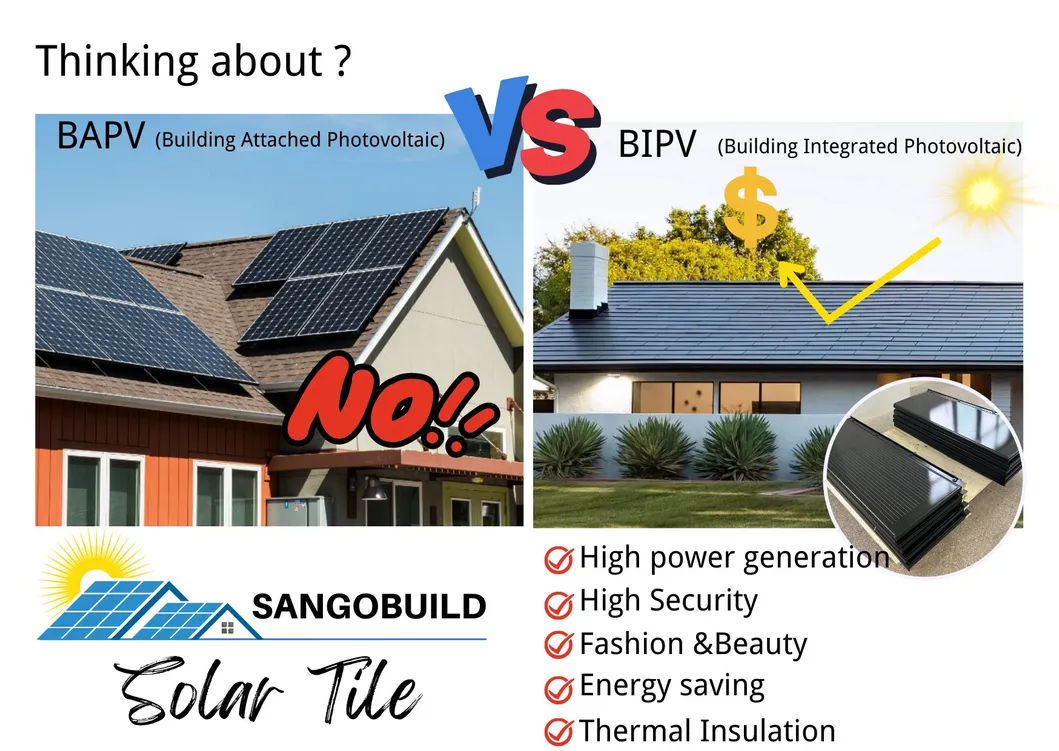
Comparison View
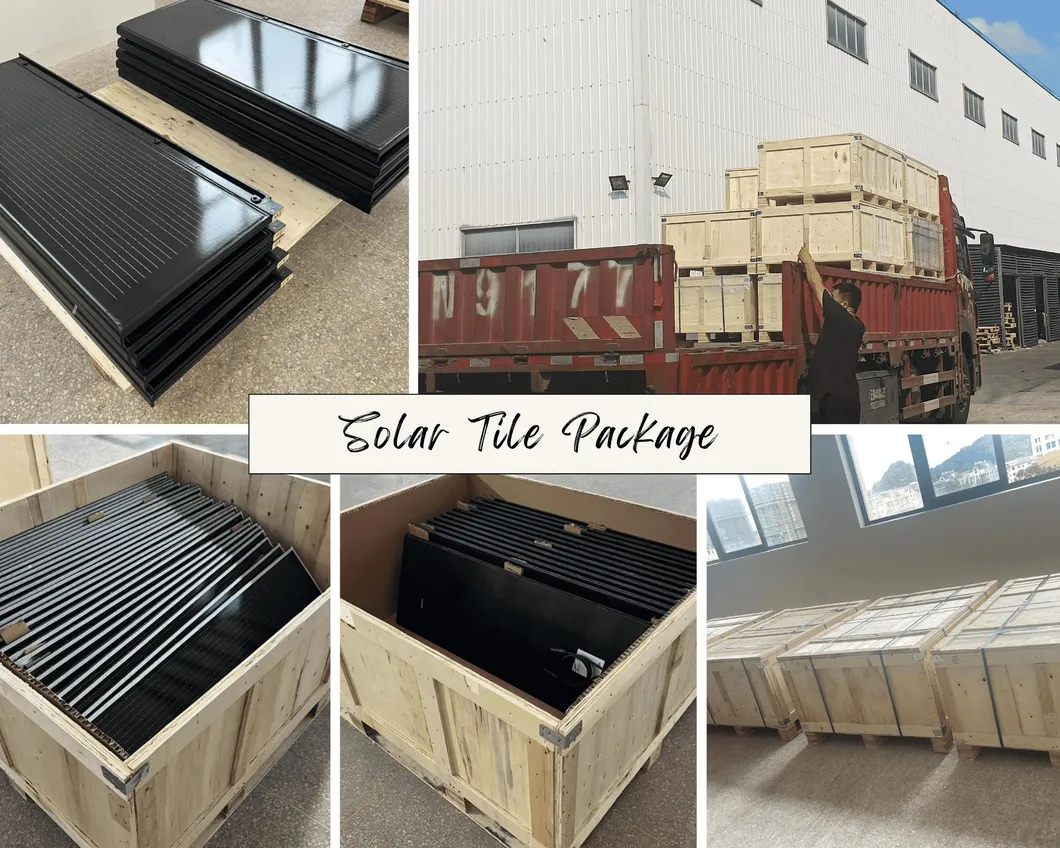
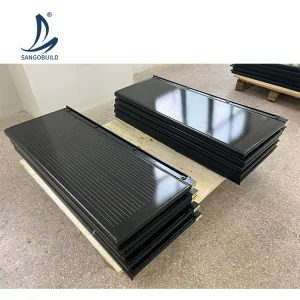
Packing
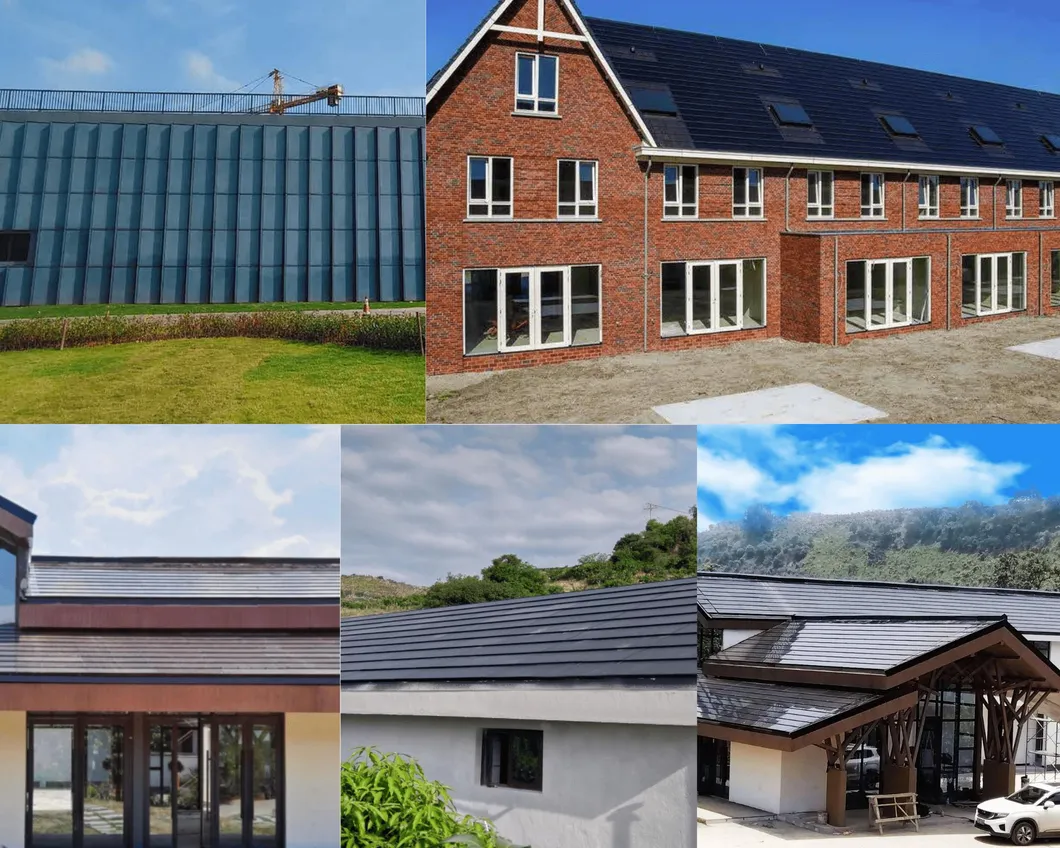
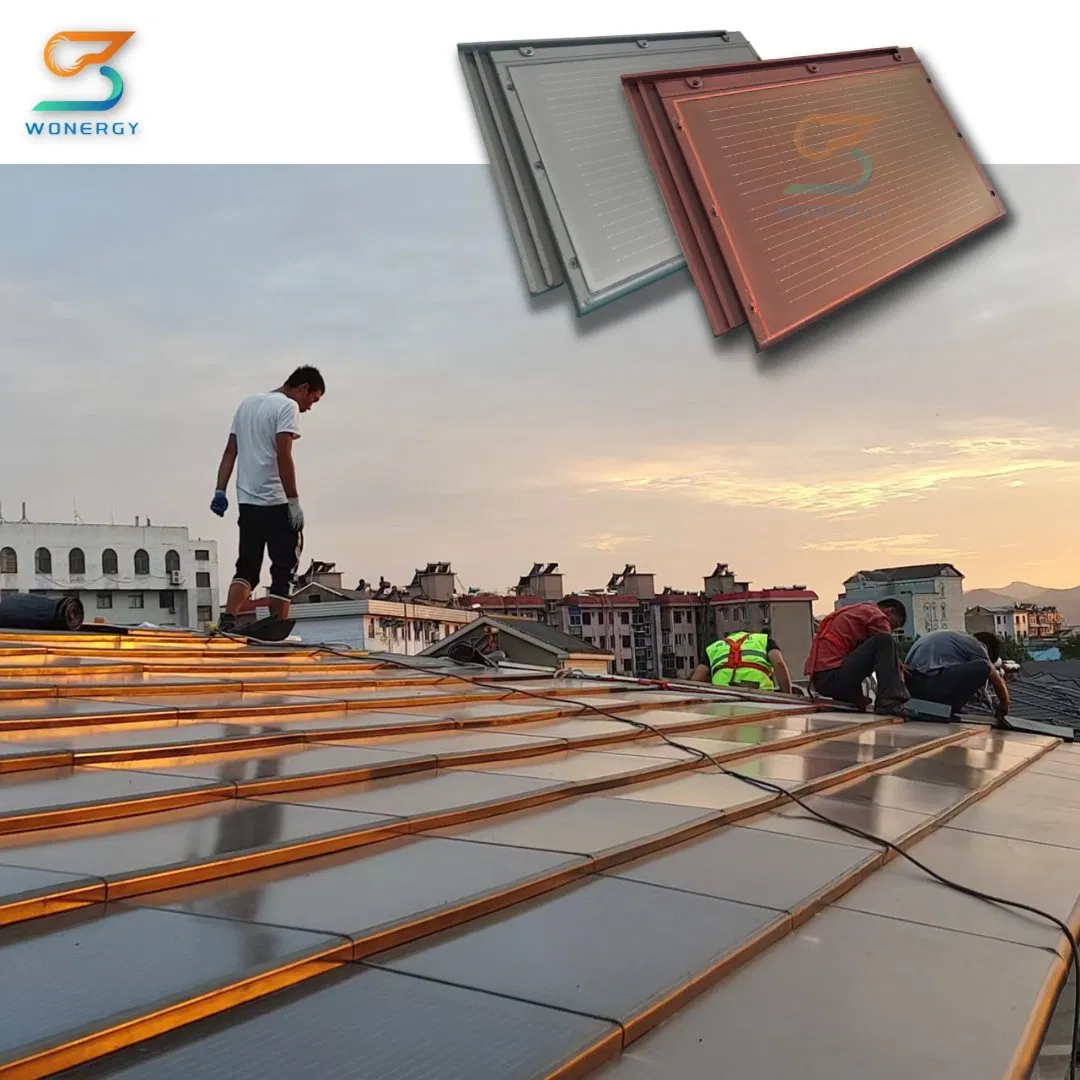
Applications & Practical Use
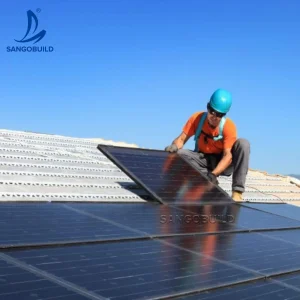
Application 1
Application 2
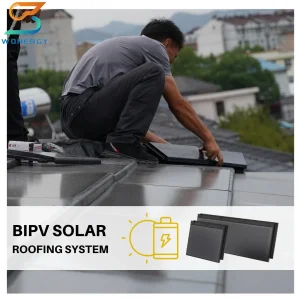
Installation
Frequently Asked Questions
Where can you install Building Integrated Photovoltaics (BIPV)?
Essentially anywhere that sunlight directly hits the exterior surface of your home. They can be part of standard building components such as façades, roofs, or windows.
What types of BIPV can you buy?
BIPV options include solar tiles, shingles, and panels that replace traditional roofing, as well as integrated façades and windows. They function as the building's "skin" while producing electricity.
How much energy can BIPVs produce?
It depends on environmental factors like solar radiation (kWh/m2/day), climate conditions, and shading. Modern BIPV systems are highly efficient even in urban environments.
Are BIPVs worth the investment?
Yes. Because they serve a dual purpose (roofing + power), you save on traditional materials. They also increase the property value and aesthetics compared to traditional bolt-on panels.
How long do solar roof tiles last?
Most solar shingles and tiles are designed to last 25-30 years, often outlasting traditional asphalt roofs which typically last only 15 years.
What is the fire and wind rating of these tiles?
Our solar tiles carry a Class A fire rating (the highest possible) and are tested for high wind-uplift resistance to ensure safety in harsh weather.

Related Products