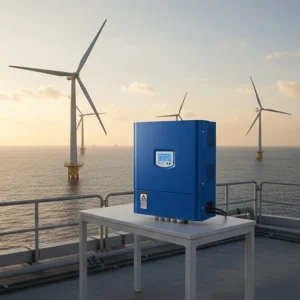
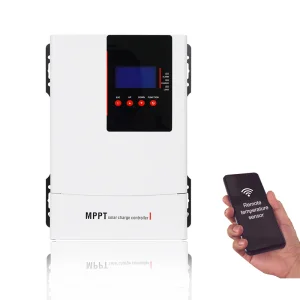
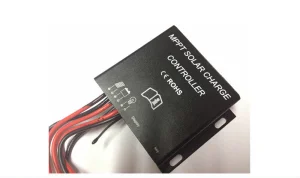
Engineered to deliver optimum PV power tracking even under Michigan’s dense overcast skies. These units provide integrated communication interfaces suitable for automotive telematics and extreme weather resistance.
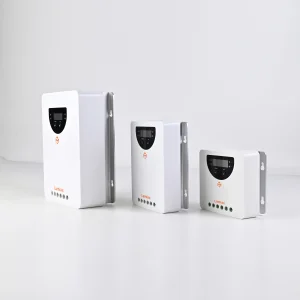
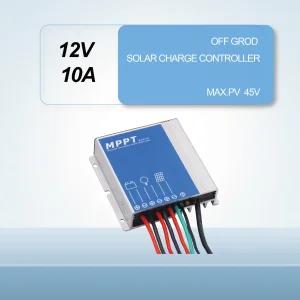
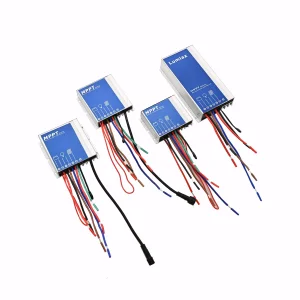
Detroit, Michigan—historically recognized as the heartbeat of global automotive engineering—is undergoing a rapid transformation. The shift toward Electric Vehicles (EVs), combined with the expansion of local microgrids and commercial solar deployments, has created an unprecedented demand for robust power conversion components. MPPT (Maximum Power Point Tracking) charge controllers sit at the crucial junction of these installations, acting as the brain that maximizes energy harvest from solar arrays and wind turbines.
However, the Great Lakes region presents significant environmental challenges. With freezing winter temperatures, frequent overcast days, and heavy snow loads, solar infrastructure must operate with exceptional efficiency under sub-optimal solar irradiance. Our industrial-grade MPPT controllers feature high-speed tracking algorithms that scan the power curve within milliseconds, ensuring that fleet charging stations, remote telecommunications, and municipal utility installations across Detroit continue to function reliably through the harshest winter weather.
During cold weather, PV panel voltage spikes. Anhui Ran Solar’s advanced MPPT controllers utilize extended voltage input ranges (up to 150V/250V Voc) to prevent system shutdowns and leverage low-temperature coefficients for maximum energy yield.
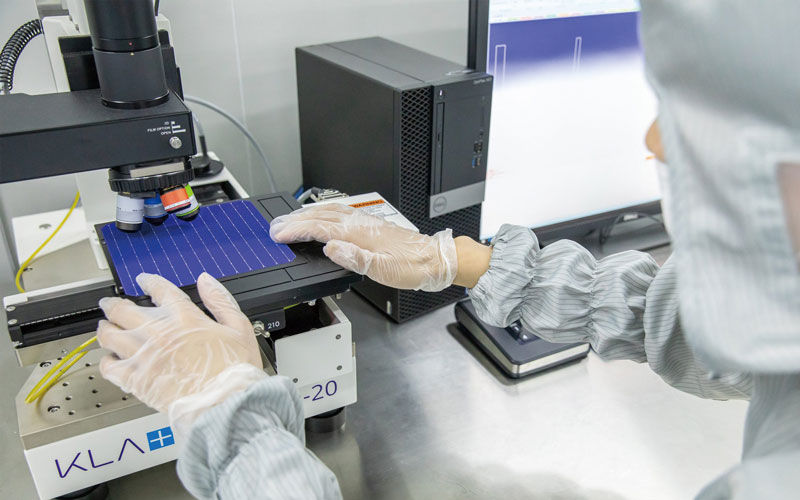
Procurement professionals in Detroit’s Tier-1 automotive manufacturing plants and commercial construction sectors require partners who satisfy complex international regulatory compliance standards, continuous volume capacity, and stable logistics pipelines.
Integrate directly with local SCADA and industrial networks. Our MPPT units support RS485 Modbus and CAN bus communication protocols, allowing fleet managers to track energy status in real time.
Engineered to assist systems in complying with the National Electrical Code (NEC) requirements and international standards including CE, RoHS, and strict IP67 waterproof criteria.
Operating a massive 7.5 GW production infrastructure ensures Anhui Ran Solar satisfies bulk logistics demands directly to Detroit ports and Midwestern warehousing networks.
Designed for specific industrial deployments including municipal transit safety, solar street lighting updates in the Metro Detroit region, and rugged off-grid residential setups.
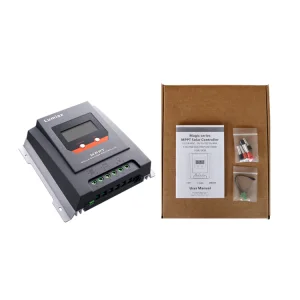
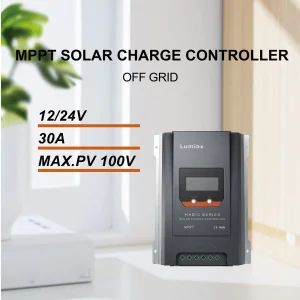
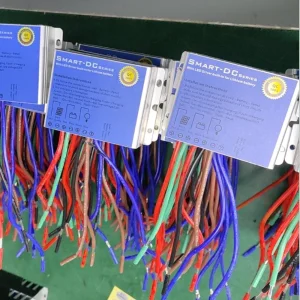
Conventional Pulse Width Modulation (PWM) controllers operate by clamping the PV module voltage close to the battery voltage. This simple method leads to power loss, discarding up to 30% of potential energy harvest. Our MPPT technology acts as an intelligent DC-to-DC converter. By tracking the exact maximum power point (Vmp & Imp) along the panel's I-V curve, the controller matches the optimal electrical operating parameters to transfer full capacity to the battery banks.
Anhui Ran Solar’s engineering pipeline implements dual-core tracking processors. When cloud movements or building shadows cause partial shading across a solar farm in Detroit, our controllers execute a fast-sweep algorithm. This process identifies true power peaks rather than false local maximums, recovering lost performance. Additionally, our multi-stage charging algorithms (Bulk, Absorption, Float, and Equalize) adapt to battery chemistry dynamics, extending the lifespan of premium energy storage solutions.
As a leading solar products manufacturer, Anhui Ran Solar Co., Ltd. specializes in the research, development, production, and global sales of high-quality solar PV products. Since our establishment in 2011, Anhui Ran Solar has achieved remarkable milestones, surpassing many competitors in production capacity, innovative designs, and technological advancements. We firmly believe that innovation drives progress, and we continually pursue new technologies and higher efficiencies to empower a sustainable energy future.
Currently, Anhui Ran Solar boasts a global production capacity of 7.5 GW, serving customers across more than 80 countries with premium products and professional services. By the end of 2023, over 15 GW of our solar modules have been deployed worldwide, powering residential, commercial, and utility-scale projects.
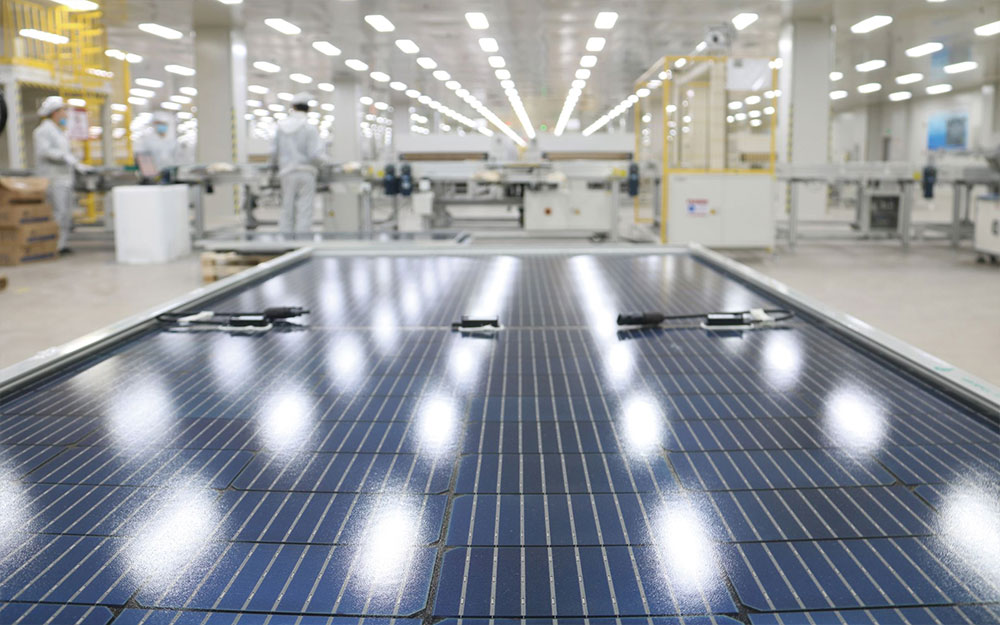
Our industrial solutions meet international regulatory standards to guarantee flawless long-term performance under demanding operating conditions.
Innovation is at the core of Anhui Ran Solar’s strategy. We provide a full spectrum of advanced renewable energy technologies to meet the unique needs of every customer, whether utilities, commercial enterprises, or industrial clients. Our dedicated R&D team continuously explores next-generation solar solutions, including high-efficiency modules, bifacial technologies, and smart energy solutions.
At Anhui Ran Solar, our modularized, fully automated production lines enable rapid delivery, optimized costs, and consistent quality. We have segmented the production process into closely coordinated, automated sectors to maximize efficiency and minimize human error. Over 40 patented technologies have been implemented to optimize production processes.
Stringent quality control is the cornerstone of our operations. Our products have achieved certifications for Quality Management System (ISO 9001:2015), Environmental Management System (ISO 14001:2015), and Occupational Health and Safety Management System (ISO 45001:2018) from both DNV GL and GZCC, reflecting our commitment to excellence.
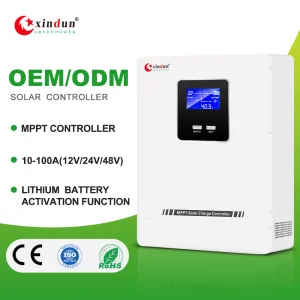
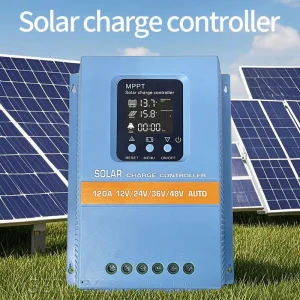
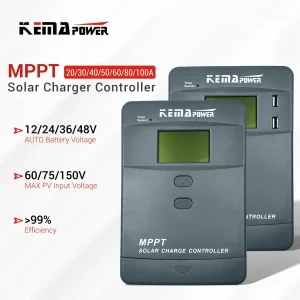
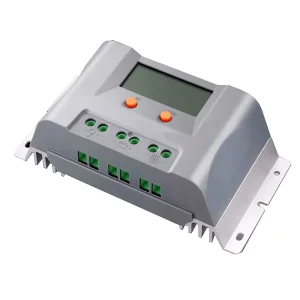
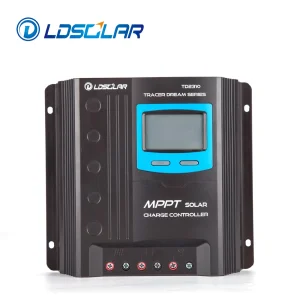
Select from our complete range of certified power controllers. Each unit is constructed for high duty cycles and compatible with global solar infrastructure layouts.
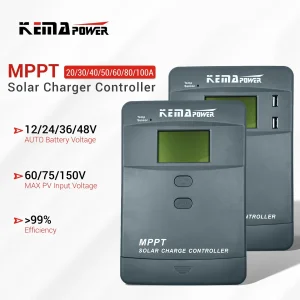
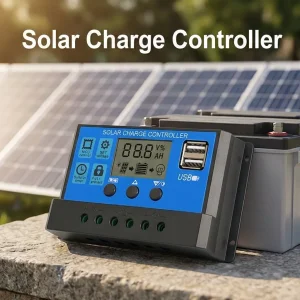
Anhui Ran Solar is committed to accelerating the global energy transition. By providing innovative, reliable, and efficient solar solutions, we aim to empower communities, businesses, and governments worldwide to harness the power of the sun for a cleaner, greener future. From the industrial corridors of Detroit to remote off-grid locations worldwide, our dedication remains focused on delivering quality-driven hardware to build durable systems.
Answers to common questions regarding local compliance, environmental performance, and purchasing specifications for industrial buyers in Michigan.
Cold climates improve PV cell performance, which in turn increases array voltage. Our MPPT charge controllers are engineered with wide voltage inputs to accommodate voltage spikes without triggering system shut-downs. This ensures continuous, safe charging at low temperatures.
Yes. Most of our high-end products feature built-in RS485 communication ports supporting the Modbus-RTU protocol. This allows engineers to query parameters like voltage, current, and error states directly from SCADA or external telemetry equipment.
Leveraging our 7.5 GW production footprint, bulk orders are processed and prepared for shipping via standard industrial trade pathways. Standard shipping options are available to ports in the Great Lakes region or nearby distribution centers in the Midwest.
Yes, our controllers are programmable to charge multiple battery chemistries, including Lithium Iron Phosphate (LiFePO4), Sealed Lead-Acid, Gel, and AGM cells. Charging parameters can be adjusted via onboard screens or Bluetooth apps.
Given the wind resources available near the Great Lakes, combining wind turbines with solar arrays ensures consistent power generation when sunlight is limited. The 5000W hybrid booster controller manages both inputs to maintain battery banks efficiently.
 Ran Solar