Explore our state-of-the-art residential solar panels, cleaning robotics, and intelligent charge controllers engineered for maximum energy yield.
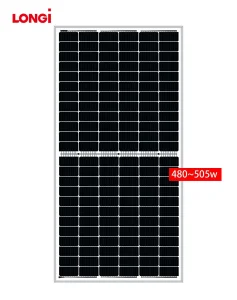
Strategic whitepaper on technical integration, architectural synergy, and macroeconomic demand drivers.
The global residential solar sector is undergoing a profound technological transformation. Traditional photovoltaic systems are evolving from passive, grid-tied components into active, multi-directional intelligent microgrids. The modern homeowner and enterprise require seamless integration, high-density energy storage, and aesthetic alignment with building structures.
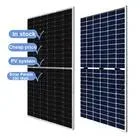
Key technology transitions are defining this decade. The shift from P-type Mono PERC (Passivated Emitter and Rear Cell) technology to N-type TOPCon (Tunnel Oxide Passivated Contact) and HJT (Heterojunction Technology) has established a new benchmark for panel efficiency. Commercial modules now comfortably surpass 22.5% efficiency. These innovations mitigate annual power degradation, lower temperature coefficients, and drastically increase power output per square meter.
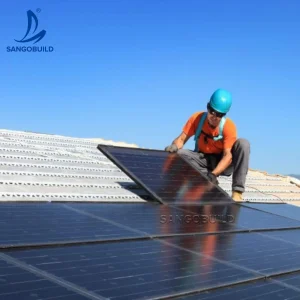
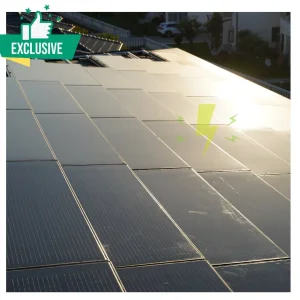
Concurrently, Building-Integrated Photovoltaics (BIPV) are reshaping architectural planning. Solar roofing materials, like stone-coated metal sheets and tempered glass roof tiles, are replacing standard concrete tiles. This evolution eliminates redundant mounting structures while delivering the exact structural protection, fire rating, and impact resistance expected of high-end traditional roofing materials.
Achieving superior performance at higher operating temperatures with significantly lower LID (Light Induced Degradation) rates over 25-30 year lifespans.
Combining heavy-duty glass and stone-coated structural properties directly with solar silicon, turning roofs into zero-emission generators.
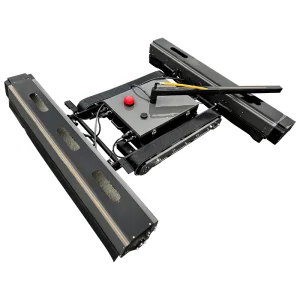
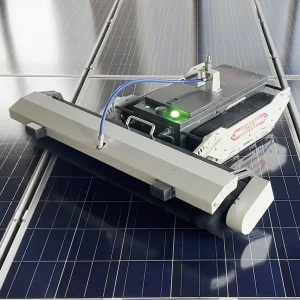
Minimizing dust, soiling, and bird-dropping attenuation losses. Automated cleaning routines can boost annual generation by up to 15-25% in high-dust regions.
Deciphering localized criteria for EPCs, commercial distributors, and real estate developers.
Global developers demand panels that yield maximum kWh over the asset lifetime. Lowering LCOE involves lowering Balance of System (BOS) costs through high-power modular density, saving on racking, cabling, and site labor.
International financing institutions mandate proven product bankability. Distributors target Tier-1 manufactured components that carry strict 12 to 25-year product workmanship warranties and a 25 to 30-year linear performance guarantee.
Different markets present distinct regulatory hurdles. North American buyers require UL listing; European clients prioritize CE, TÜV Rheinland, and MCS; while African developers demand rugged performance certifications to mitigate extreme thermal loads.
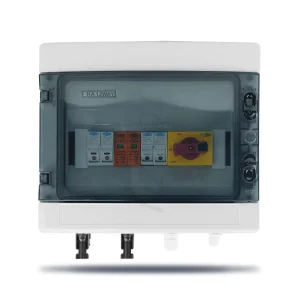
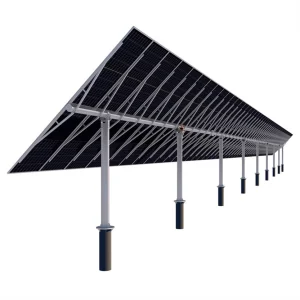
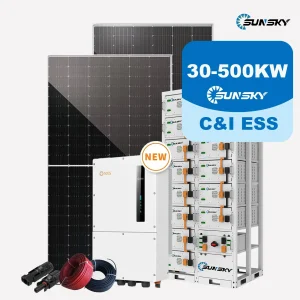
B2B buyers are progressively shifting away from single-component procurement. The preference lies in complete, pre-configured hybrid solar systems including high-voltage energy storage kits, roof mount tracking systems, combiner boxes, and grid-connected microinverters. An integrated ecosystem reduces deployment delays, ensures component compatibility, and simplifies regional post-sales service networks.
Decade-long technological legacy, massive manufacturing capacity, and global footprint.
As a leading solar products manufacturer, Anhui Ran Solar Co., Ltd. specializes in the research, development, production, and global sales of high-quality solar PV products. Since our establishment in 2011, Anhui Ran Solar has achieved remarkable milestones, surpassing many competitors in production capacity, innovative designs, and technological advancements. We firmly believe that innovation drives progress, and we continually pursue new technologies and higher efficiencies.
Our global operational metrics speak to our credibility, bankability, and alignment with world-class engineering standards. We provide key engineering and commercial support across five continents, ensuring that residential, commercial, and utility-scale projects receive prompt logistical execution.
How automated manufacturing and vertically integrated supply lines optimize customer-facing value.
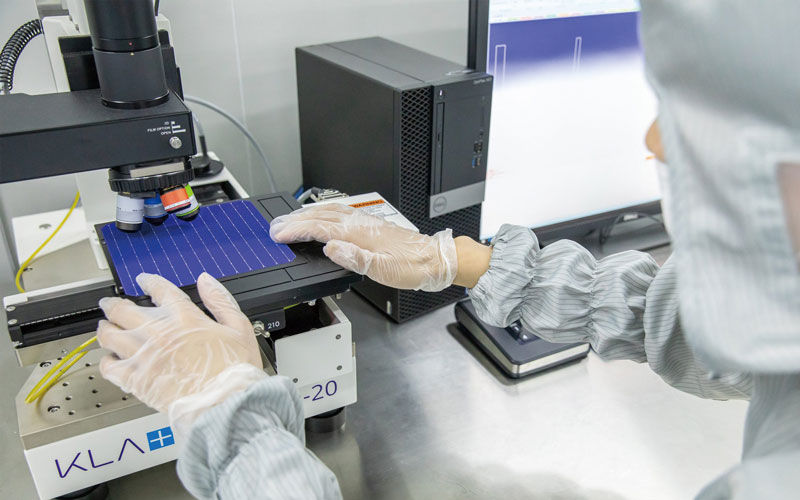
At Anhui Ran Solar, our modularized, fully automated production lines enable rapid delivery, optimized costs, and consistent quality. We have segmented the production process into closely coordinated, automated sectors to maximize efficiency and minimize human error. Our factory utilizes cutting-edge MES (Manufacturing Execution System) and AI-driven optical inspection tools to identify micro-cracks or ribbon misalignment invisible to the naked eye.
Over 40 patented technologies have been implemented to optimize production processes, covering every stage from raw material inspection to final packaging. Each step is monitored and recorded in real time, ensuring traceability, precision, and reliability across our manufacturing operations. This allows us to scale output dynamically without compromising structural or electrical integrity.
The solar industry is highly sensitive to raw material fluctuations, from polysilicon spikes to tempered glass shortages. Anhui Ran Solar maintains deep vertical partnerships with top-tier silicon ingot, wafer, junction box, and aluminum frame producers in China's manufacturing clusters.
This localization of the secondary supply chain allows us to maintain a consistent 7.5 GW production flow even during global shipping blockages or tariff changes. By shielding procurement costs, we pass direct price stability and dispatch guarantees down to international buyers.
Stringent testing protocols certified by world-leading safety and quality registrars.
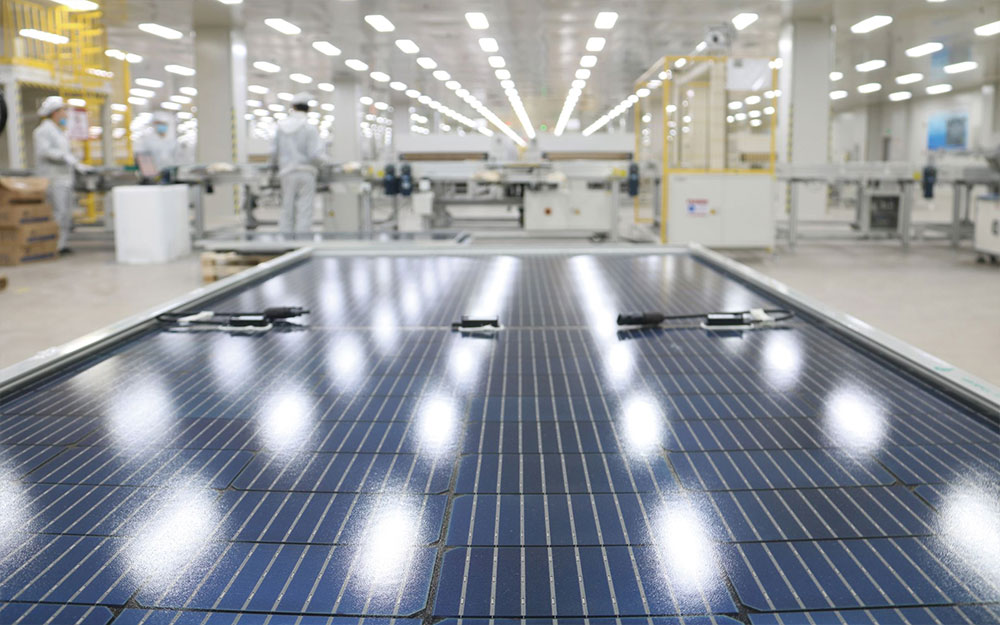
Stringent quality control is the cornerstone of our operations. Our customers expect—and receive—uncompromising quality and performance, even in the most extreme conditions. Whether deployed in freezing sub-zero environments or coastal areas prone to high salinity and humidity, our solar panels are engineered to endure.
Anhui Ran Solar invests continuously in advanced testing equipment and professional employee training to maintain these high standards. Our products have achieved certifications for:
These certifications are verified by prestigious third-party registrars, including DNV GL and GZCC, reflecting our commitment to excellence, sustainability, and workplace safety.
Custom configurations mapped to regional climate zones, regulatory codes, and consumer behavior.
With strict historical preservation laws and modern aesthetic demands, countries like Germany, France, and the UK require roof systems that look clean. Our glass solar roof tiles function both as insulation-ready roof shingles and electricity generators, complying fully with CE and local building codes.
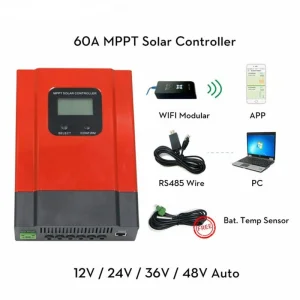
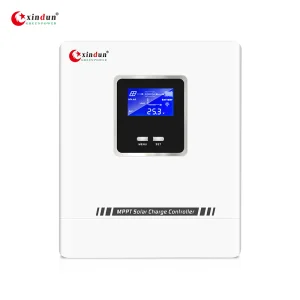
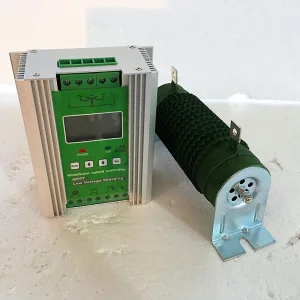
In rural Kenya and surrounding regions, unstable central grids require hybrid microgrids. Deploying heavy-duty iron-sheet integrated solar tiles alongside wind-solar hybrid controllers and MPPT batteries secures grid independence and prevents voltage surges from destroying home appliances.
Tropical coastal zones like Vietnam expose solar assets to intense moisture and elevated ambient temperatures. Utilizing Bifacial N-type dual-glass modules with protective plastic framing prevents PID (Potential Induced Degradation) and maintains high power efficiency even at 40°C+.
Clear, authoritative technical answers regarding our product systems, performance metrics, and operational guidelines.
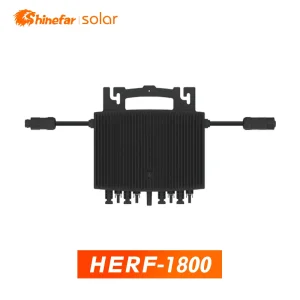
Advanced grid-tie microinverters, BIPV integrations, mounting systems, and high-performance balance-of-system (BOS) components.
 Ran Solar