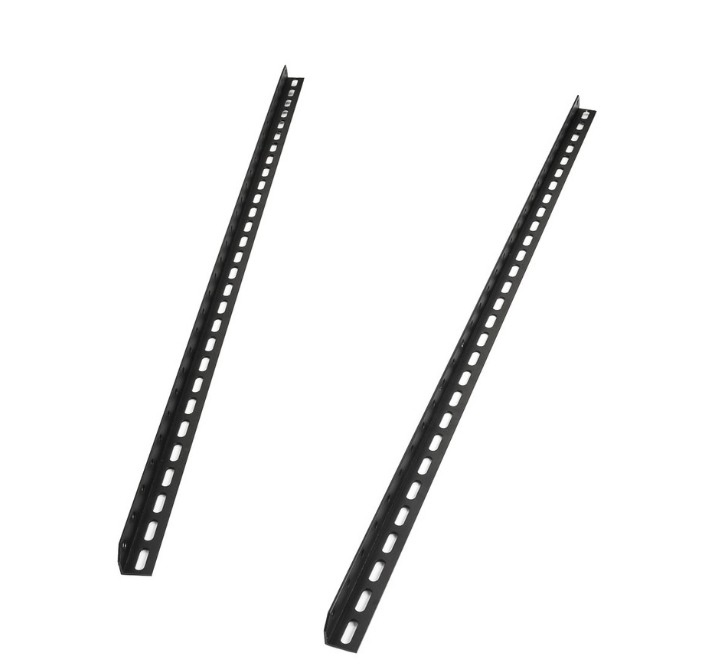
Customizable Basalt Fiber Solar Racking - Versatile PV Bracket for Various Roof Types

Customization: Available
After-sales Service: Online Technical Support
Customized: Customized

Product Description

Basic Information

Forming WayExtrusion
ShapeC-Profile
MaterialBasalt Continuous Fiber + Epoxy Resin
Water Absorption<0.5%
Specification42mm × 42mm × 4mm
Working Humidity0~100%

Product Description

Basalt Fiber / Carbon fiber / Fibreglass FRP Photovoltaic Bracket Solar Racking System

The photovoltaic mounting bracket is made from natural rock, processed through high-temperature melting and continuous fiber drawing to form a high-performance composite material. Compared with traditional steel or aluminum structures, these brackets offer outstanding advantages in corrosion resistance, weight reduction, electrical insulation, and service life. They are especially suitable for harsh environments such as coastal regions, chemical zones, and saline-alkali lands.

KEY TAKEAWAYS

  • Proper solar racking safely affixes solar panels to buildings, ensuring compatibility with your roof.
  • Essential components include flashings, mounts, rails, and clamps.
  • Aesthetics, leak protection, wire management, and ease of installation are core to the design.
  • Made from FRP/GFRP/CFRP/BFRP for high strength and low weight.

Solar Racking Components

1. Flashings

A material that stops water from leaking through your roof, usually as a thin, rectangular piece of FRP sheeting.
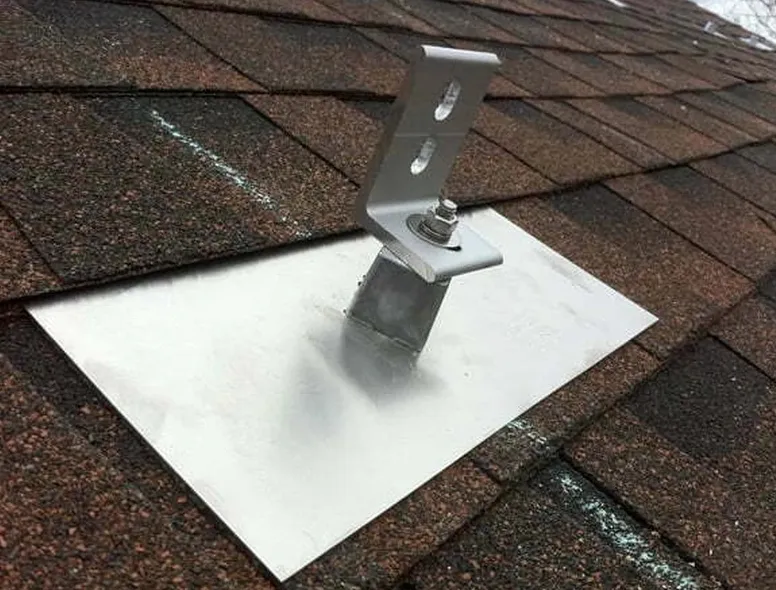
Flashings

2. Mounts

Also known as "feet," these secure the whole system to the roof rafters through the flashing.
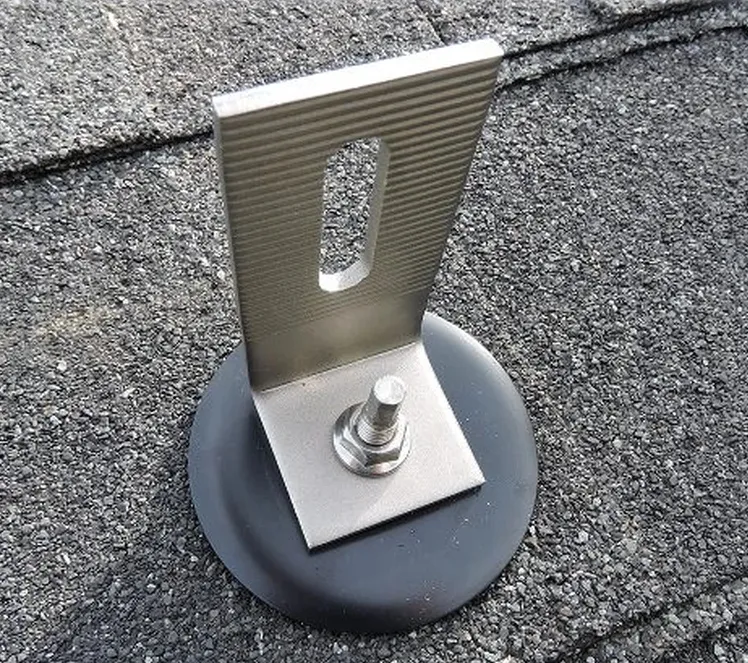
Mounts

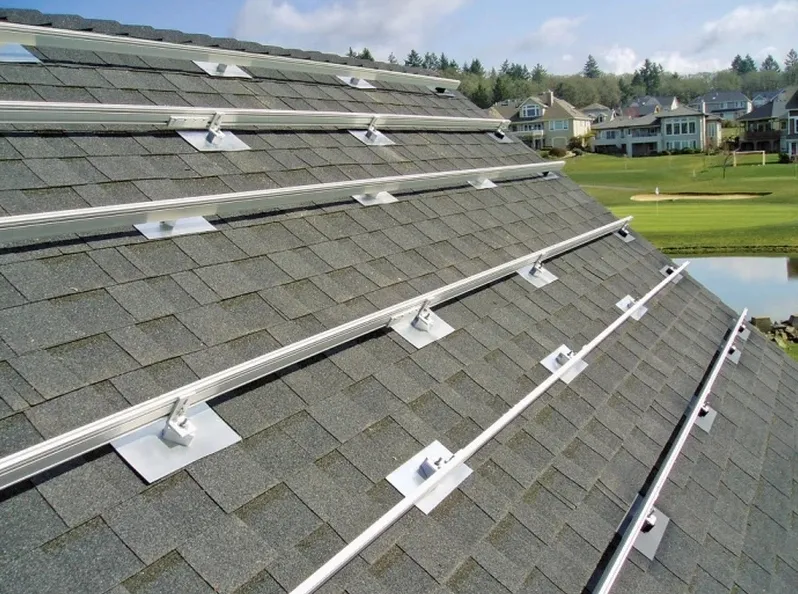
3. Rails

Long FRP/GFRP/CFRP/BFRP tracks where solar panels sit. They also provide space for safe wire management.
Rails

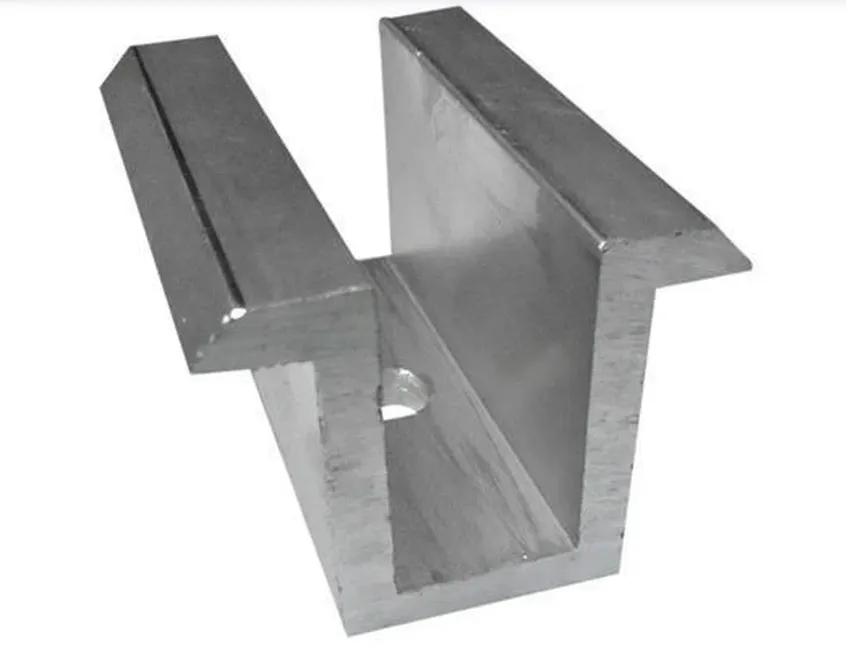
4. Clamps

Mid-clamps and end-clamps secure the modules to the rails to keep panels in place.
Clamps

Application Scenarios

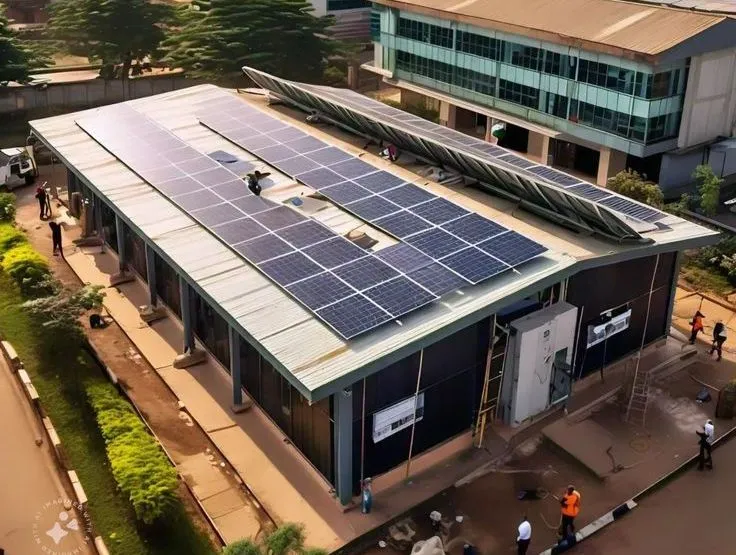
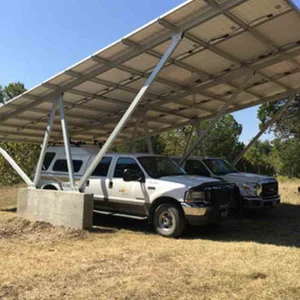
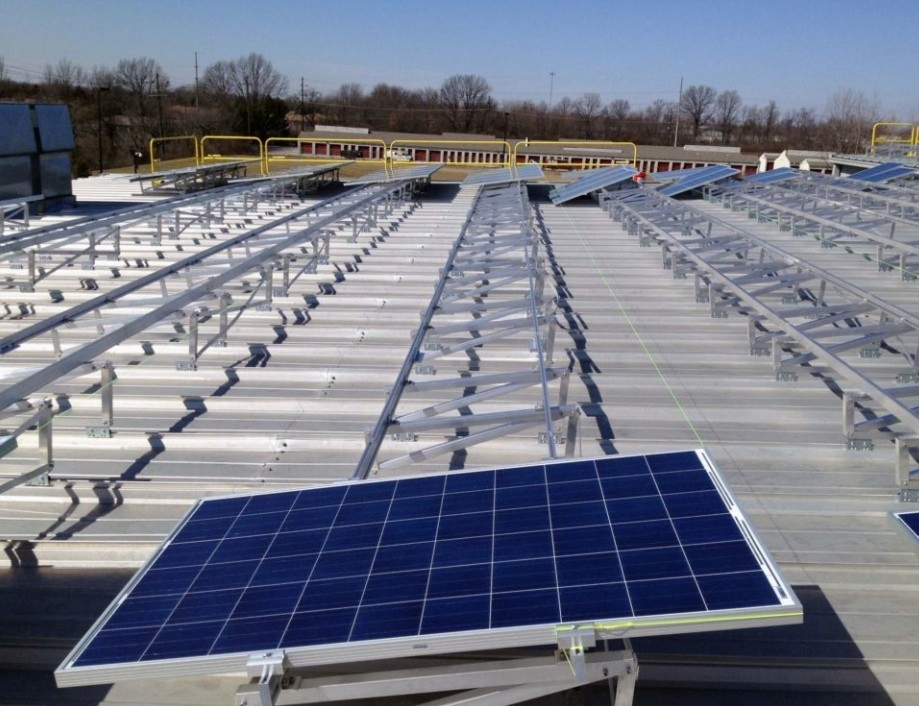
Building Roof

BUILDING ROOF

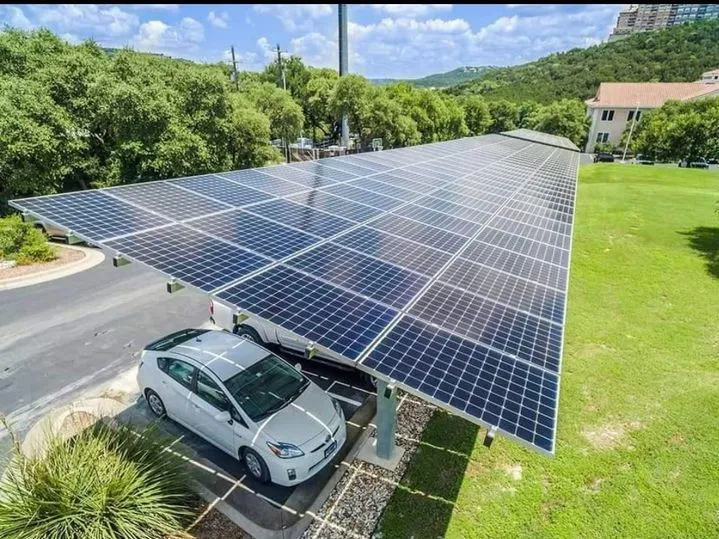
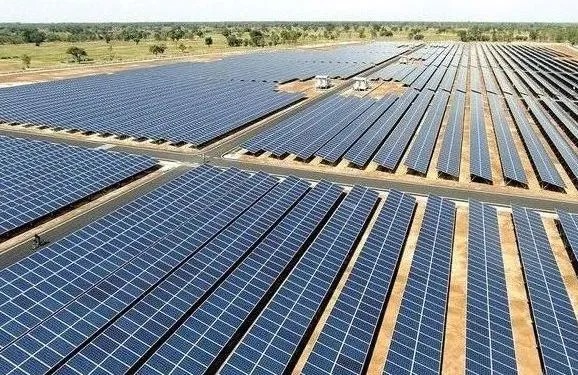
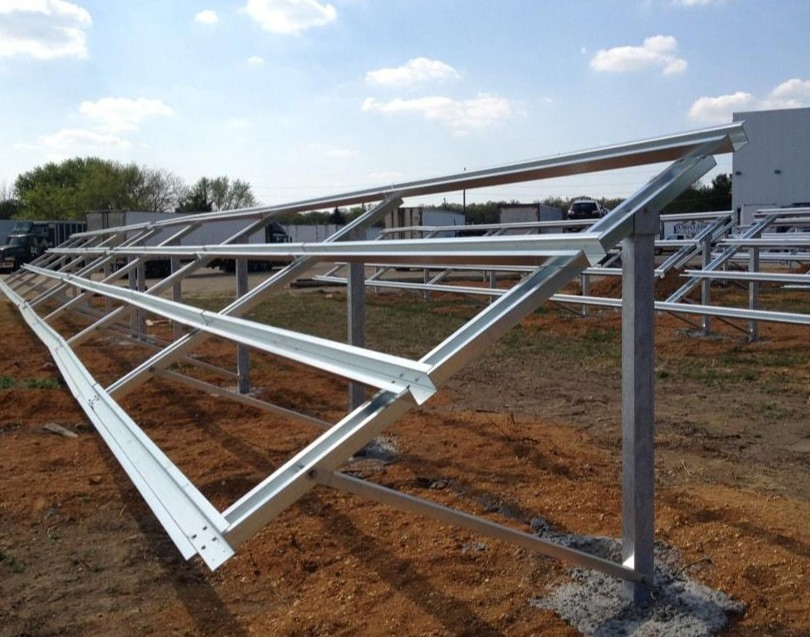
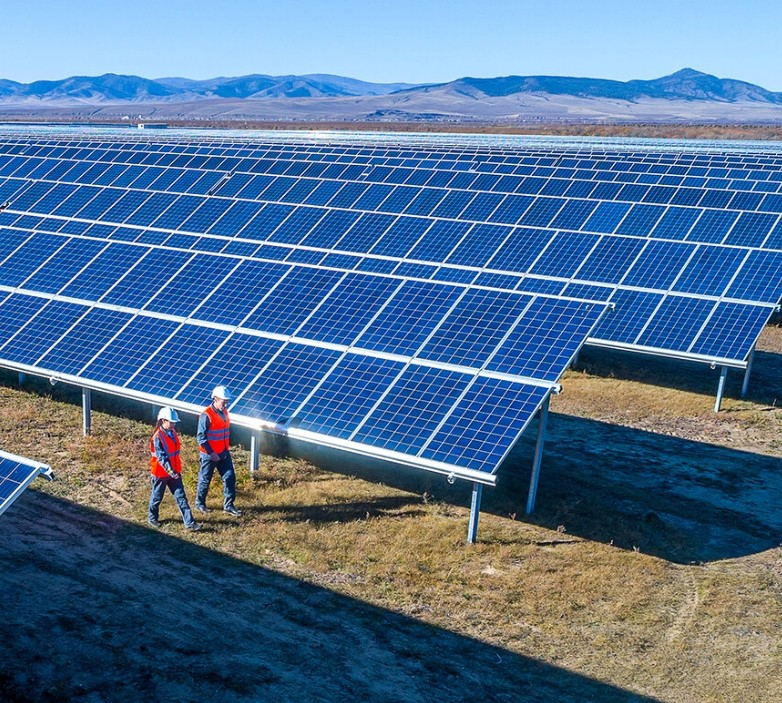
Ground

GROUND

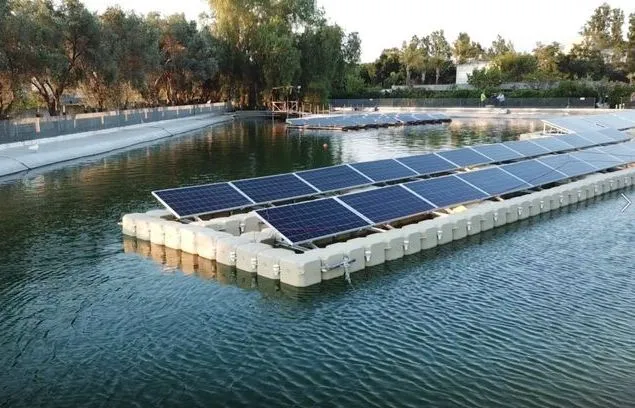
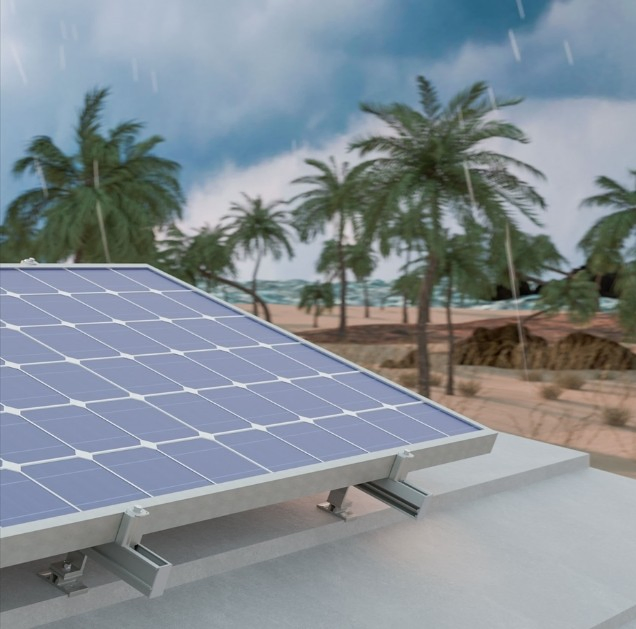
Marine Environment

MARINE ENVIRONMENT

Desert

DESERT

Advantages

  • High Strength & Lightweight: Reduces structural load and simplifies installation.
  • Corrosion Resistance: Resistant to acid, alkali, and salt spray.
  • Electrical Insulation: Non-conductive material for better safety.
  • Weather Resistance: Withstands UV, extreme temperatures, and wind.
  • Eco-Friendly: Made from natural volcanic rock, non-toxic and recyclable.

Disadvantages

  • Complex Connection: Cannot be welded; requires bolts or adhesives.
  • Lower Rigidity: Lower elastic modulus than steel.
  • Initial Cost: Higher material cost than conventional steel.
  • Impact Resistance: More brittle under sudden heavy impacts.
  • Thermal Expansion: Different expansion coefficients than metals.

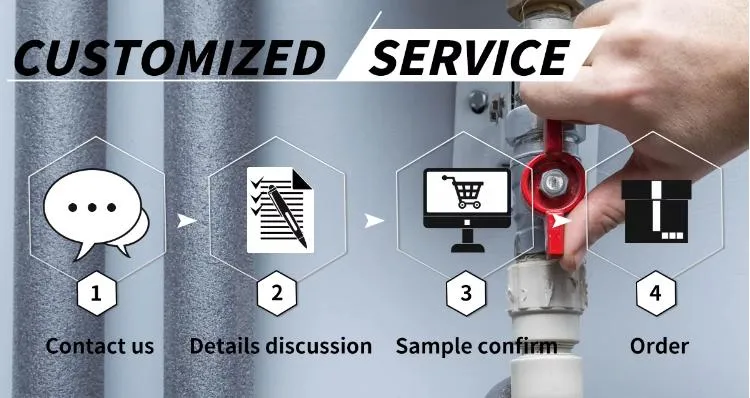
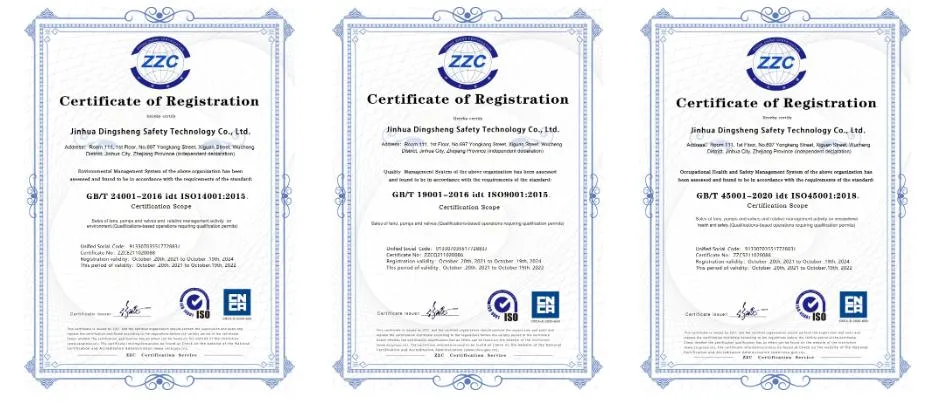
Customized Service & Certification

Custom Service Certification

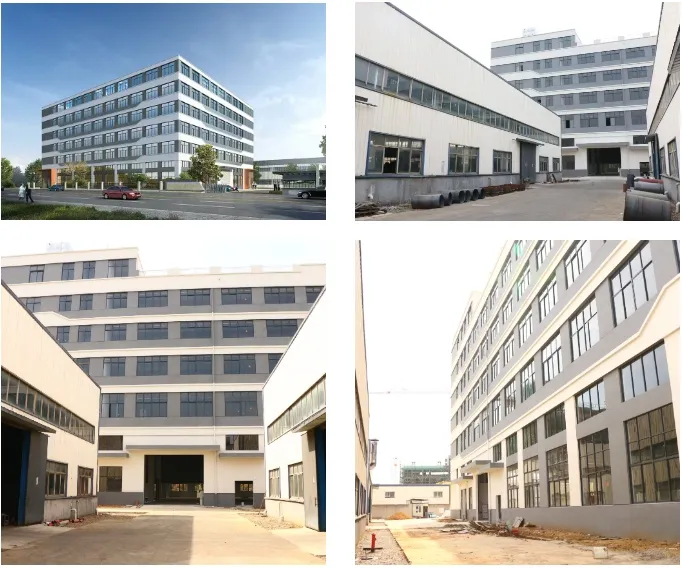
Factory & Production

Factory

Packaging & Shipping

Packaging

Frequently Asked Questions

1. What materials are used in these solar racking systems? The systems utilize high-performance composite materials including Basalt Fiber (BFRP), Carbon Fiber (CFRP), and Fiberglass (GFRP) combined with epoxy resin.
2. Are these brackets suitable for coastal or marine environments? Yes, basalt fiber brackets offer excellent resistance to salt spray, moisture, and corrosion, making them ideal for coastal and floating solar installations.
3. What are the key benefits over traditional steel brackets? Key benefits include being lightweight, high tensile strength, superior electrical insulation, and immunity to rust and chemical corrosion.
4. Can the product size and model be customized? Yes, we support various models including round pipes, square pipes, C-types, and angle steel. Sizes can be adjusted based on specific project requirements.
5. How is the quality of the fittings ensured? Each product undergoes rigorous testing and quality checks before delivery to ensure structural integrity and performance standards.
6. What is the typical MOQ for an order? The MOQ can be as low as 1PC if stock is available. However, pricing may vary depending on the total order quantity and inventory status.

Related Products