Overview
Product Name
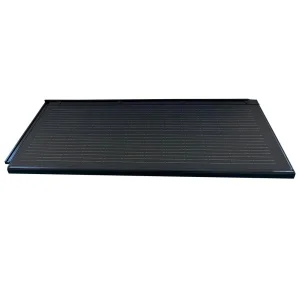
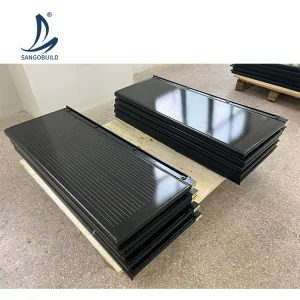
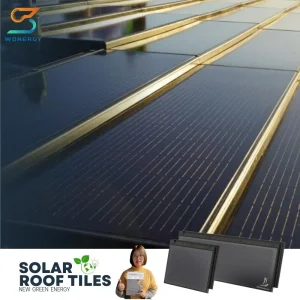
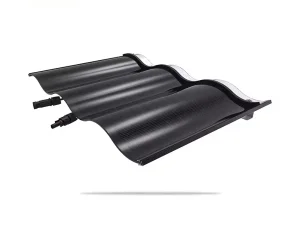
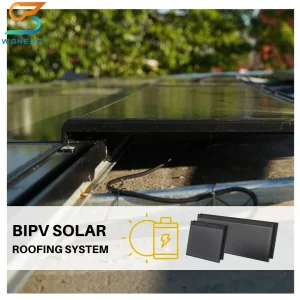
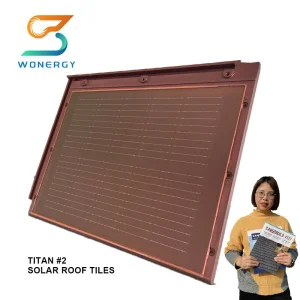
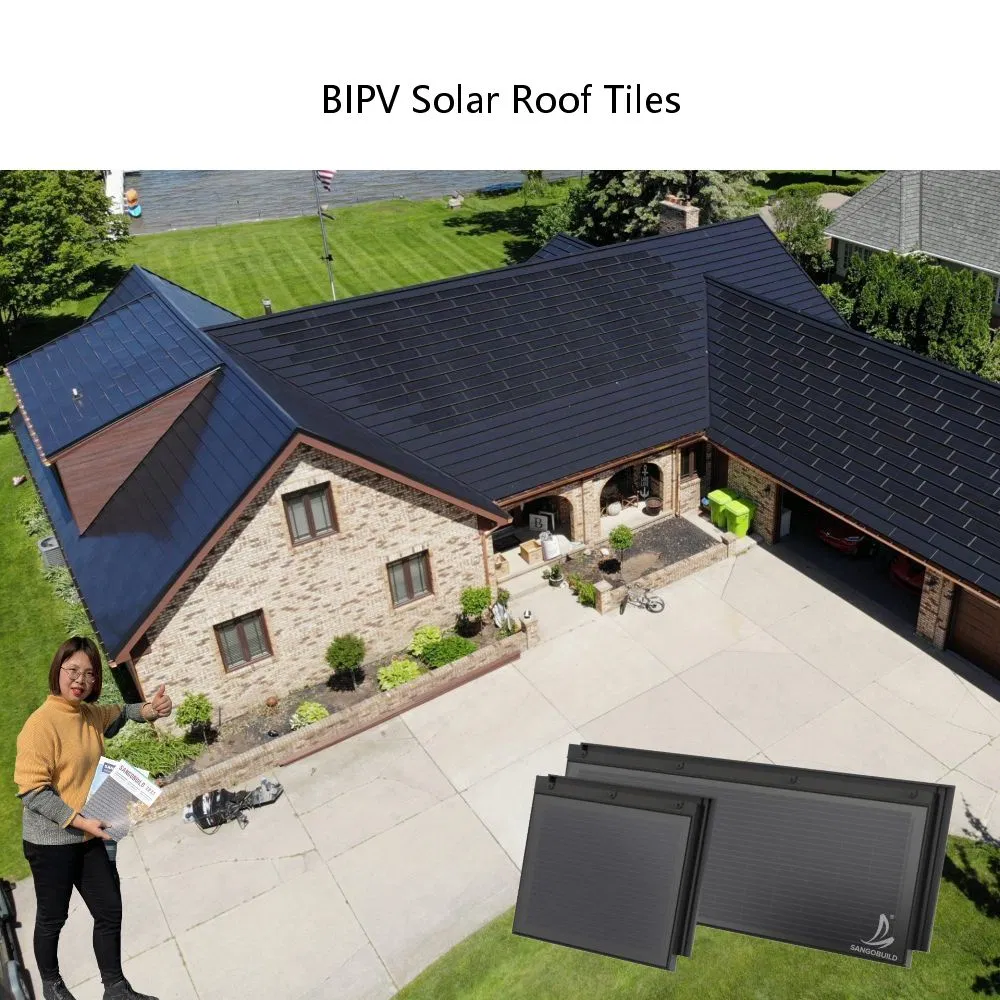
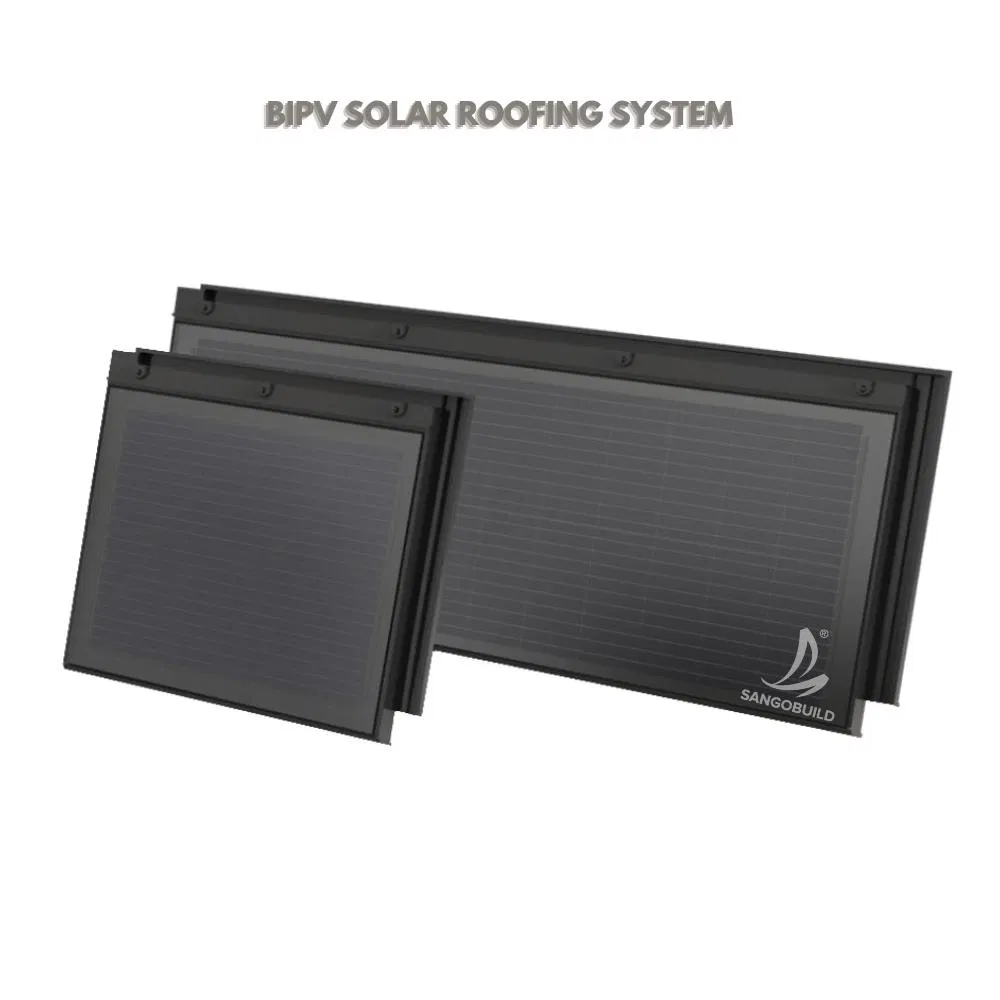
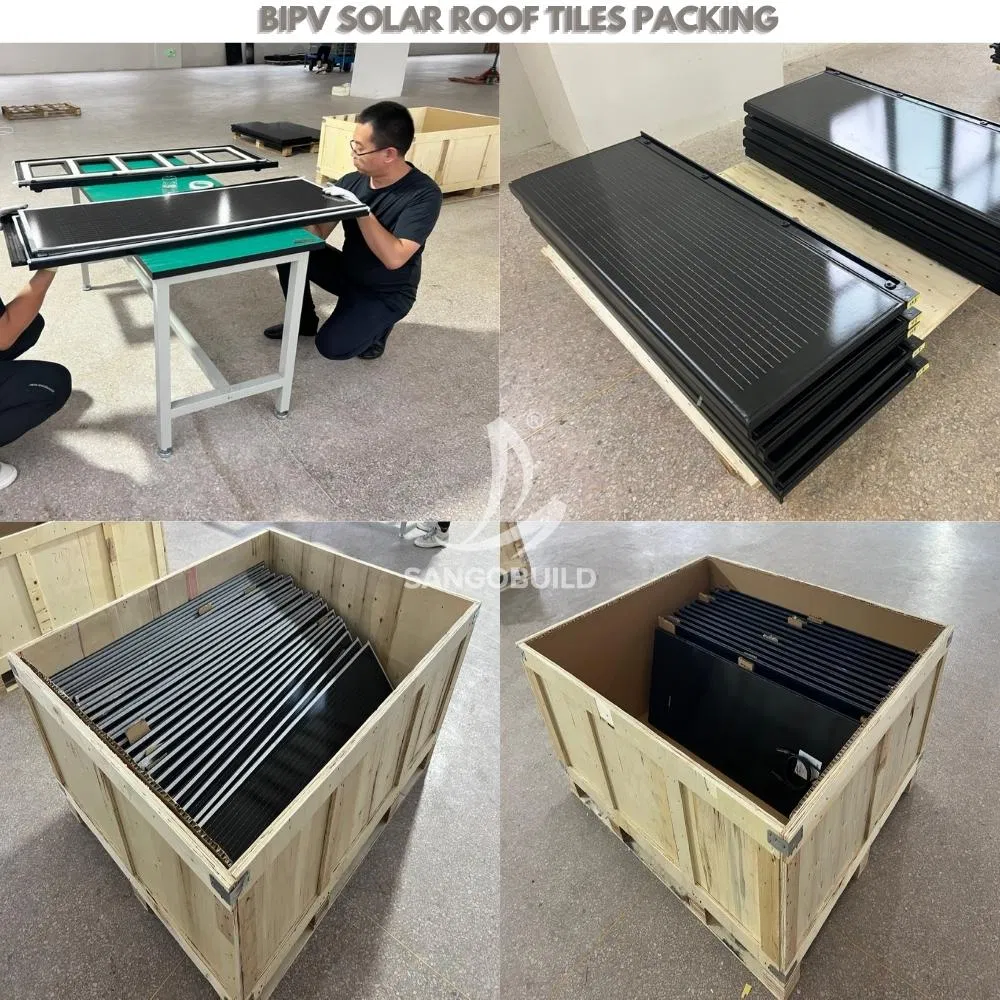
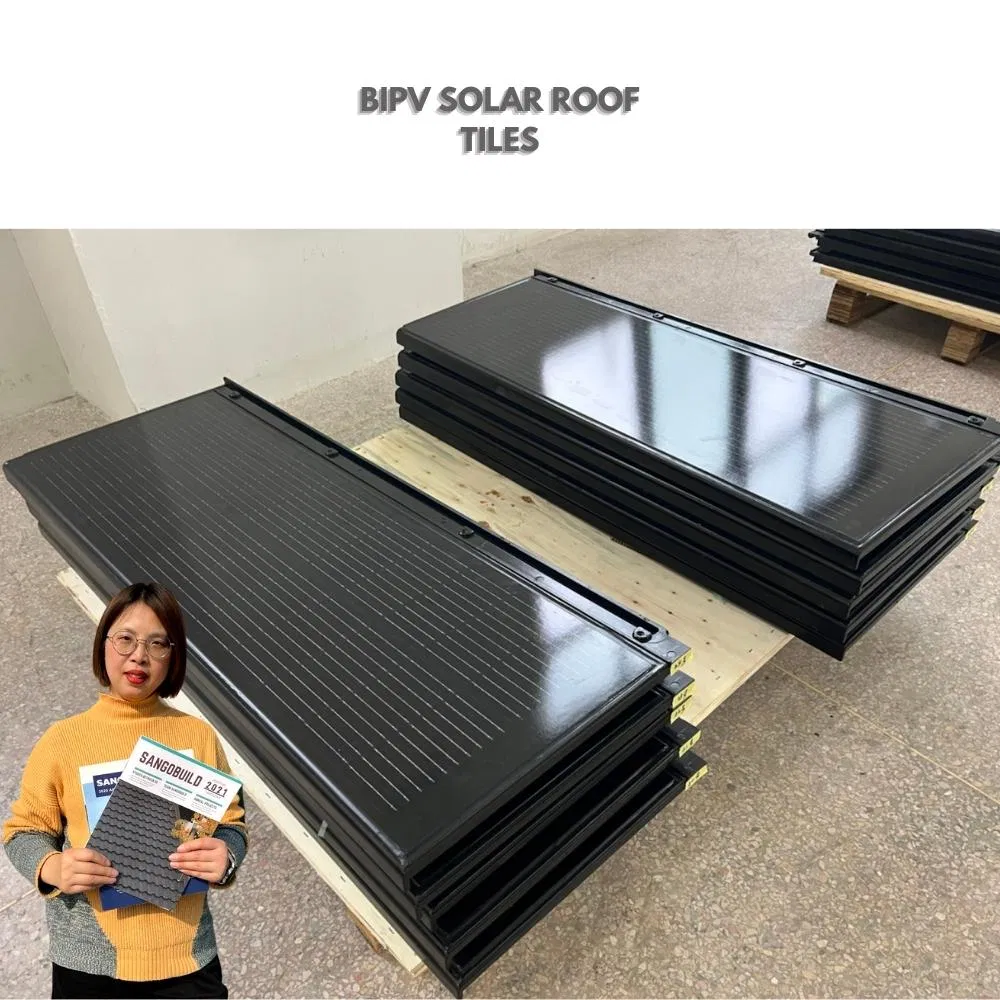
BIPV Roofing Tiles Solar Roof System
Material
Tempered Glass, PVB/EVA/Pob, Solar Cell, Bottom Support
Maximum Load
5400PA / 2400PA
Main Market
Europe, Australia, Middle East
Certification
ISO, CE, IEC 61215, IEC 61730, 3C
Specification
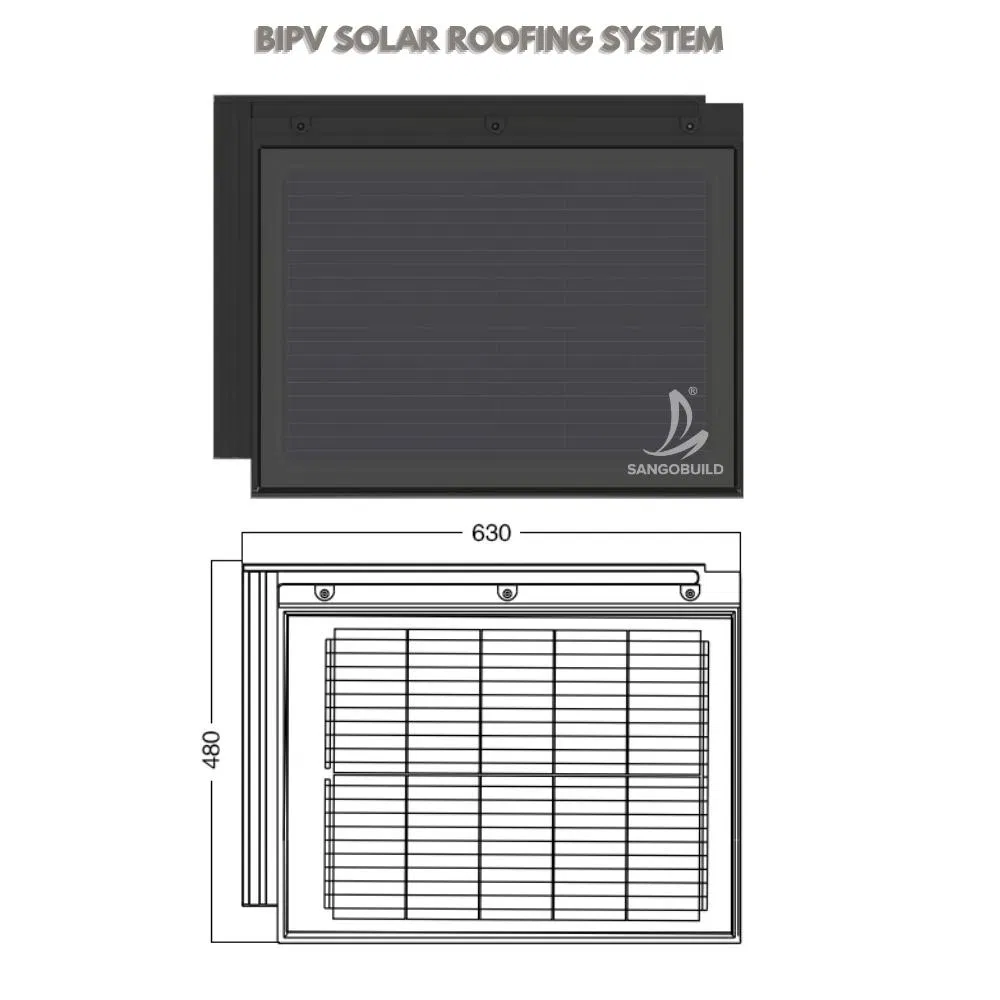
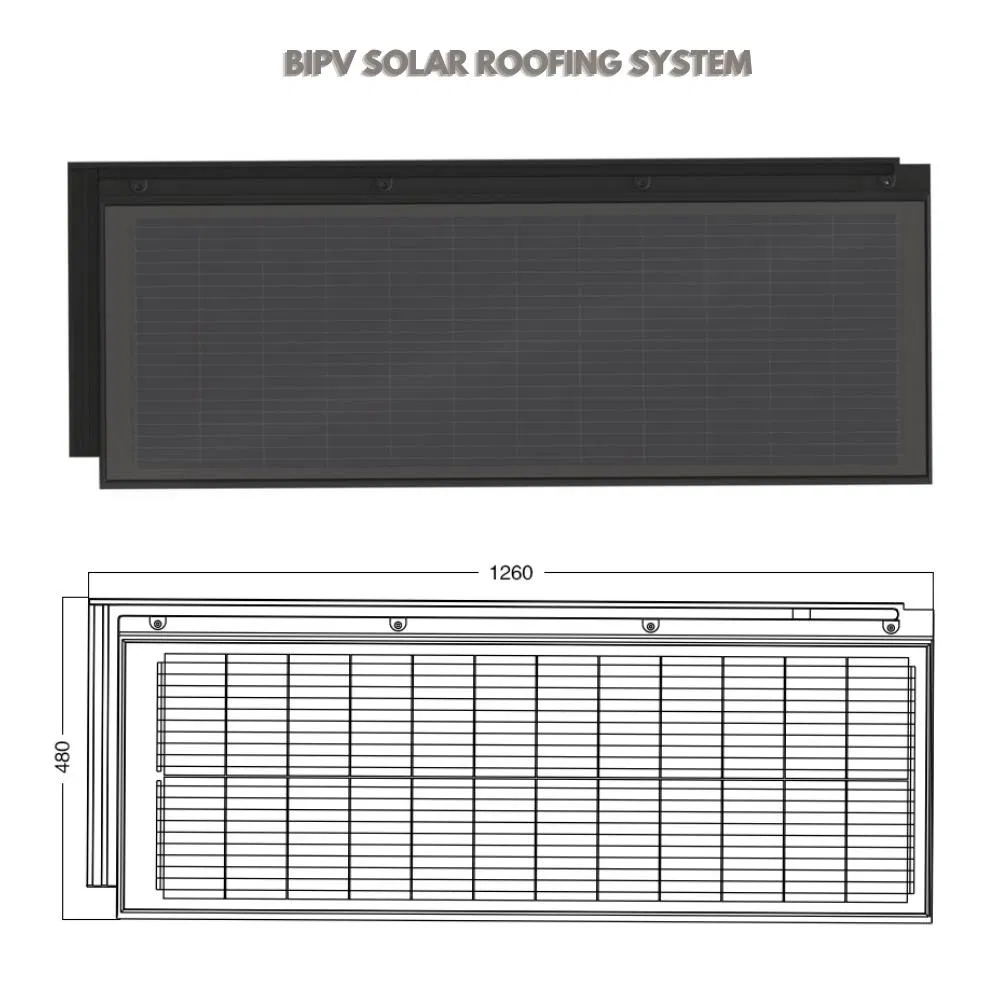
630mm*480mm / 1260mm*480mm
Product Description
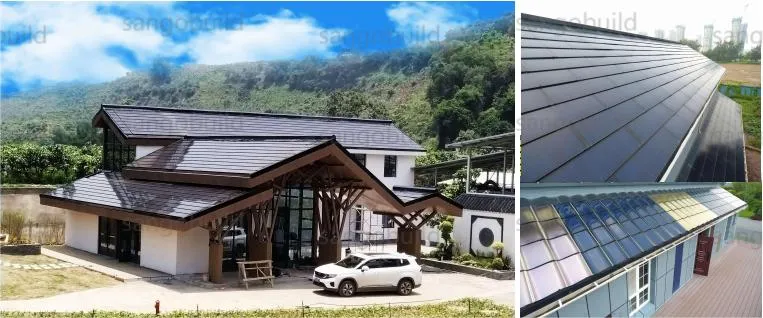
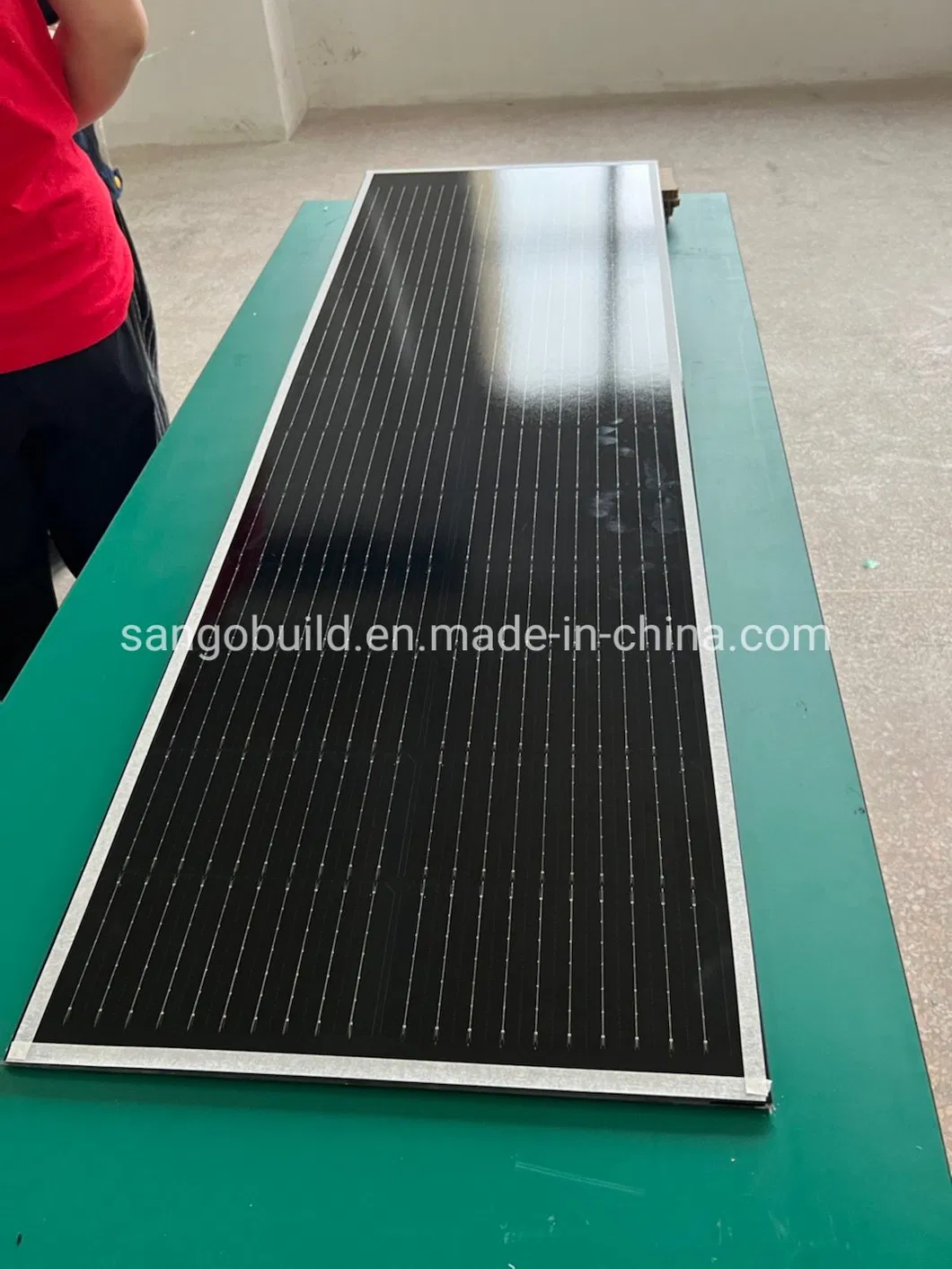
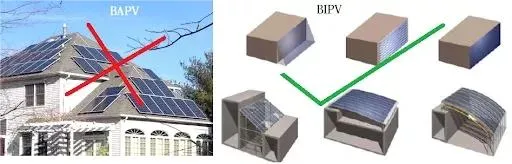
Glass/glass solar panels are the most advanced technology used in energy-generating buildings today. This system offers the highest durability against harsh environmental conditions and an exceptionally long lifespan, seamlessly integrating into modern architecture.
| Photoelectric Conversion Efficiency | 15.9% / 18.4% |
| Voltage at Pmax | 5.7V / 13.7V |
| Current at Pmax | 6.14A / 6.35A |
| Open-circuit Current | 6.74V / 16.2V |
| Short-circuit Current | 6.53A / 6.75A |
| Operating Temperature | -40°C to +85°C |
| Fire Rating | Class A |
| Application | Residential Villa, Public Buildings, Rural & Rebuild Houses |
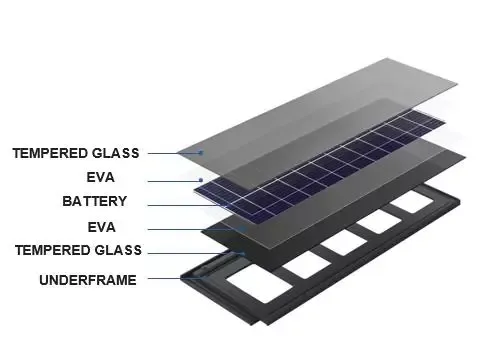
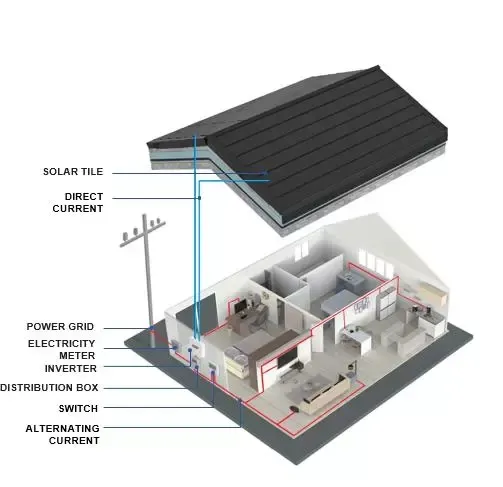
Solar Roof Tiles Structure
Core Advantages
⚡
High Power Generation
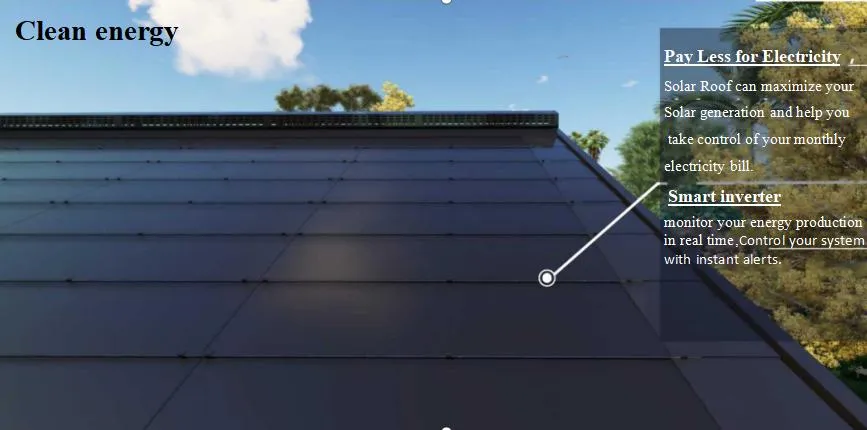
High-efficiency crystalline silicon cell technology and unique packaging process ensure superior power output.
🛡️
High Security
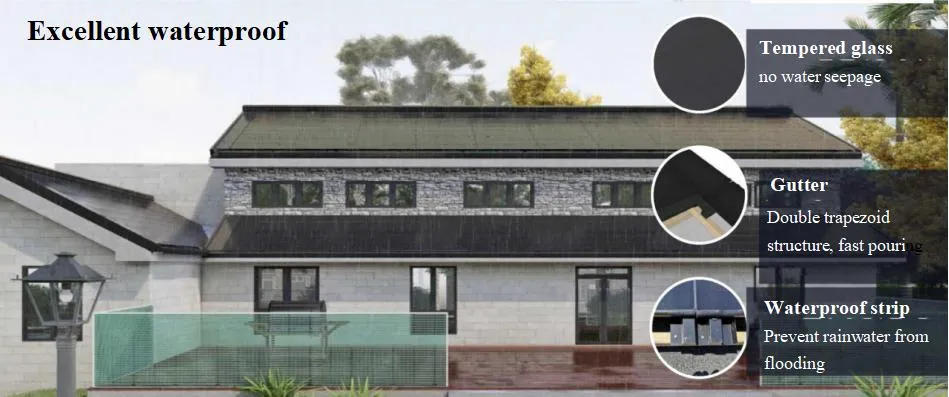
Class A fire protection and Class 15 wind resistance. Excellent waterproof and shock resistance for building-long lifespan.
🏗️
High Loading Capacity
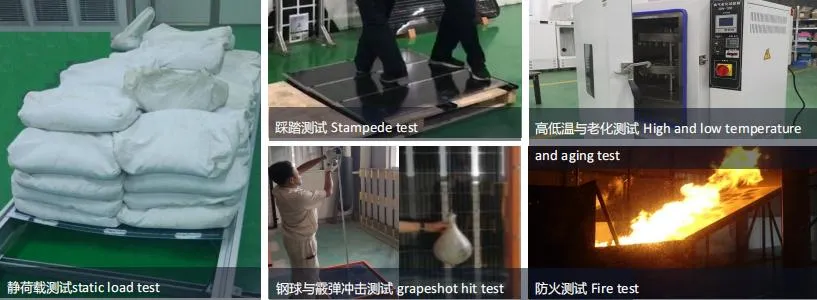
Super strong structural strength, 3 times stronger than ordinary tiles. Resists trampling and hail damage.
🎨
Fashion & Beauty
Customizable texture colors and integrated roof design for a coordinated, beautiful architectural appearance.
🌡️
Thermal Insulation
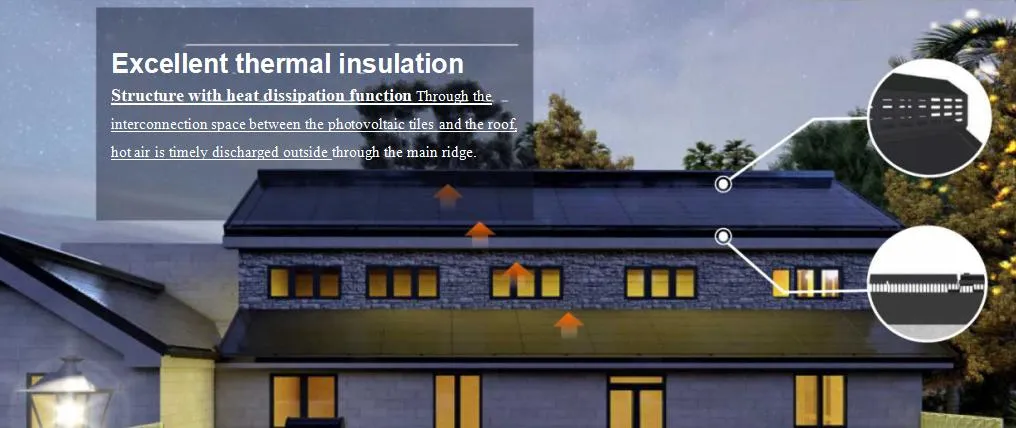
Unique heat dissipation structure can effectively reduce the roof temperature by 5°C, saving energy.
🛠️
Easy Installation
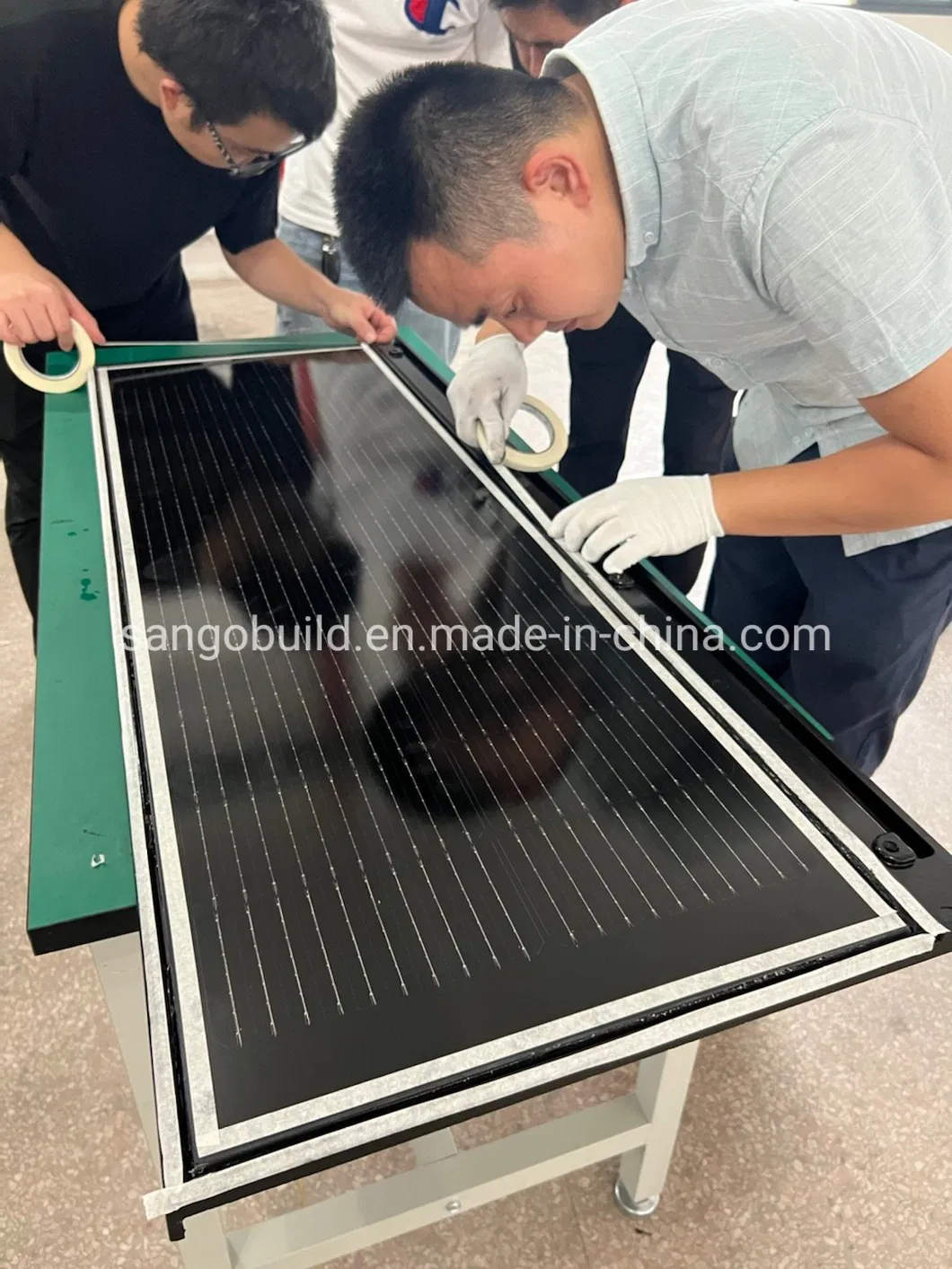
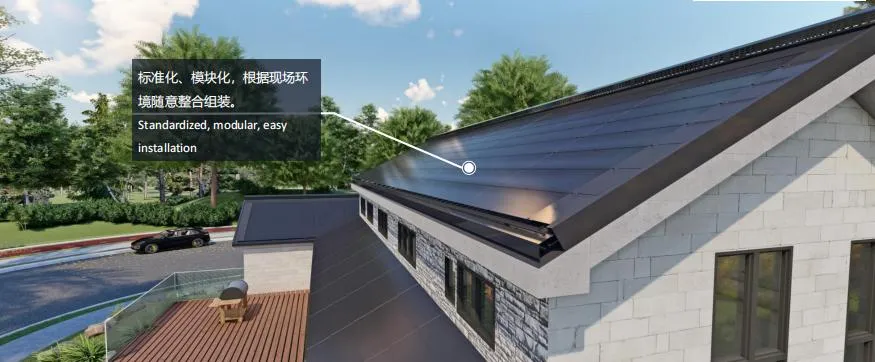
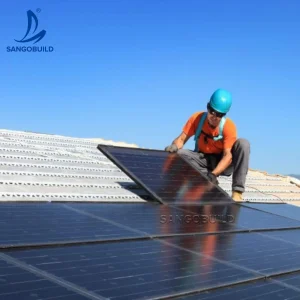
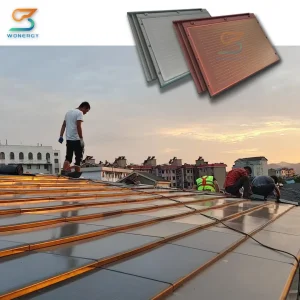
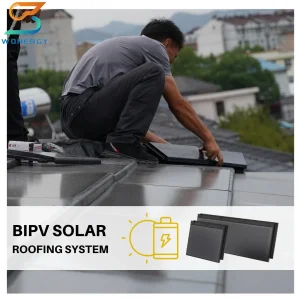
Standardized modular unit installation, saving installation time by more than 50% compared to traditional methods.
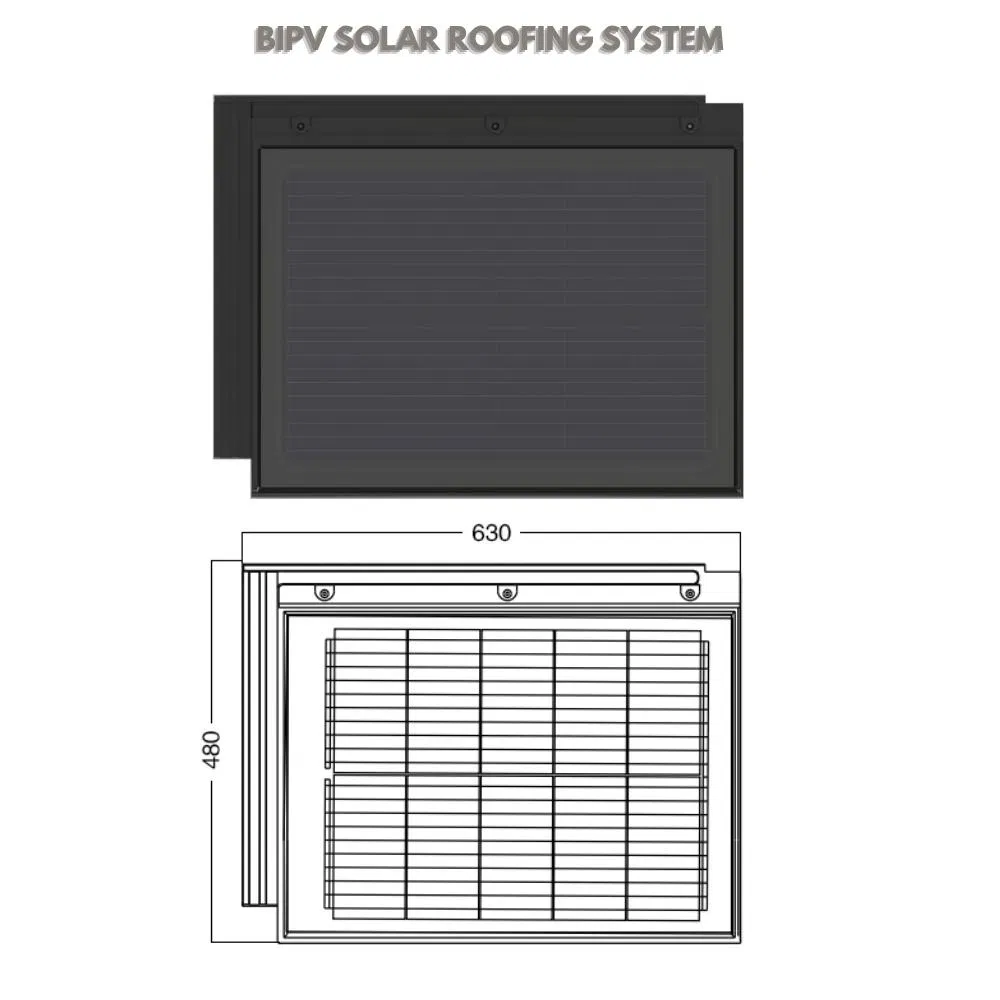
Detailed View
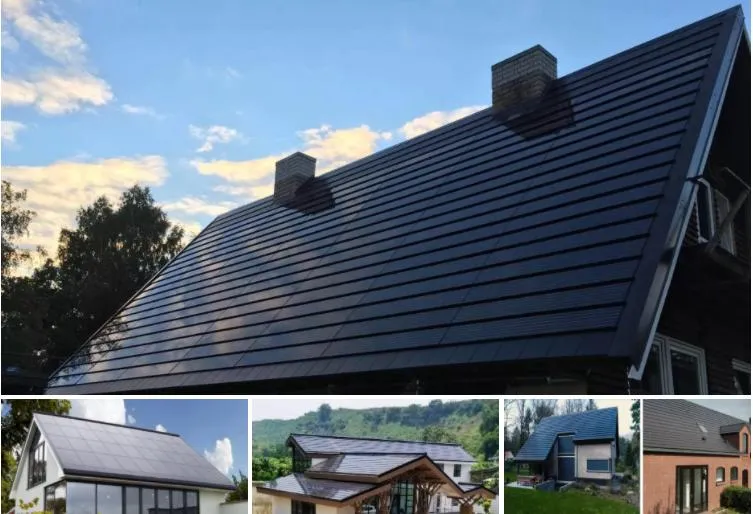
Success Projects
Rigorous Testing
Frequently Asked Questions
Where can Building Integrated Photovoltaics (BIPV) be installed?
BIPV products can be incorporated into almost any exterior surface that receives direct sunlight, including façades, roofs, windows, and balconies. They serve as functional building components while generating electricity.
Are BIPV solar shingles worth the investment?
Yes. BIPV products serve a dual function: they provide a clean source of renewable energy while acting as the protective building skin. By using solar shingles instead of traditional materials, homeowners can offset the cost of their roofing replacement.
How much energy can BIPV systems produce?
Production depends on environmental factors such as local solar radiation (kWh/m2/day), climate conditions, and shading from nearby trees or structures. Modern systems are designed to operate efficiently even in varied weather.
What is the expected lifespan of BIPV solar roofing?
While traditional asphalt shingles often last about 15 years, high-quality solar shingles are designed for 25 to 30 years of service with only a minimal drop in efficiency over time.
What are the safety and durability ratings of these solar tiles?
Our solar tiles carry top-tier ratings, including Class A fire protection, high wind ratings (ASTM D3161 Class F), and significant hail resistance (ANSI FM 4473 Class 3), ensuring maximum protection for your home.
Does BIPV help with building insulation?
Yes. The unique structure of BIPV systems provides thermal insulation and a heat dissipation gap that can reduce roof temperatures by up to 5°C, lowering indoor cooling costs.